

消费电子产品
PCB Assembly.
Single-sided FR-4 and aluminum-core PCB assembly for home comfort controls, small appliances, capacitive and tactile UI panels and portable personal devices. Keep multi-SKU variants, mixed SMT and through-hole builds and repeat quality aligned from samples to small-batch production.
Everyday Home Electronics.
Clear Assembly Scope.
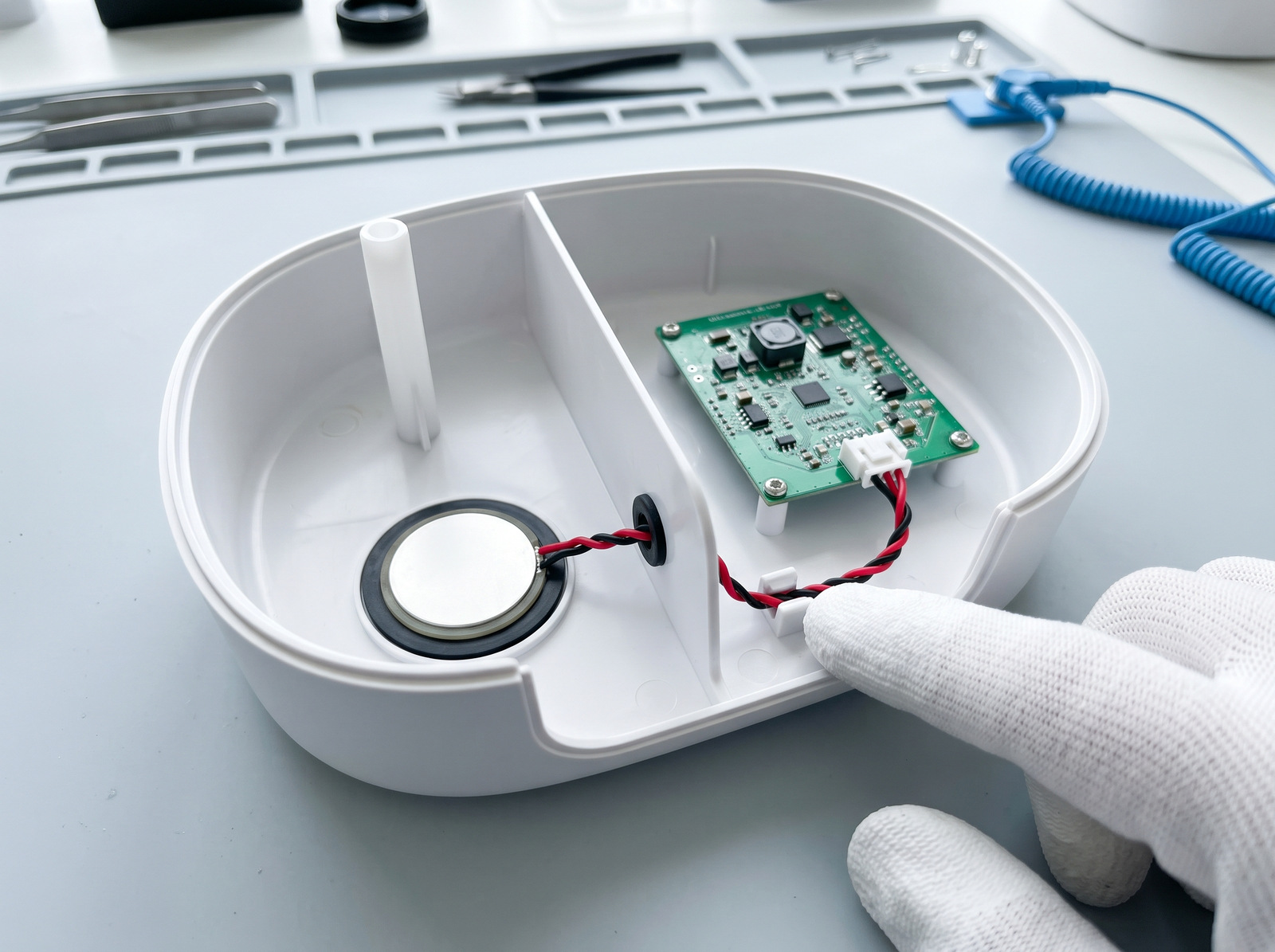
Home and personal electronics cover distinct board realities behind molded enclosures: comfort and air-treatment controls, small-appliance motor or relay boards, capacitive or tactile UI panels and compact rechargeable accessories. Across these lines, repeat yield hinges on SKU variant accuracy, switch and overlay fit, and careful handling of unsealed sensors and relays.
Our scope centers on ordinary SMT, through-hole and mixed assembly on FR-4 and aluminum-core boards with single-sided component mounting, lead-free reflow, AOI, first-article review, approved customer firmware loading, job-reviewed conformal coating and agreed electrical checks. Smartphones, laptops, wearables, dense double-sided HDI or BGA boards, potting, X-ray packages, RF certification and full app or firmware development stay outside our offer.
Long-term relationships.
Global brands.



Consumer Board Families We Assemble.
Four everyday home, comfort and personal electronics segments built on ordinary single-sided FR-4 or aluminum-core boards. Additional small-appliance categories can be reviewed against actual layouts and BOMs.
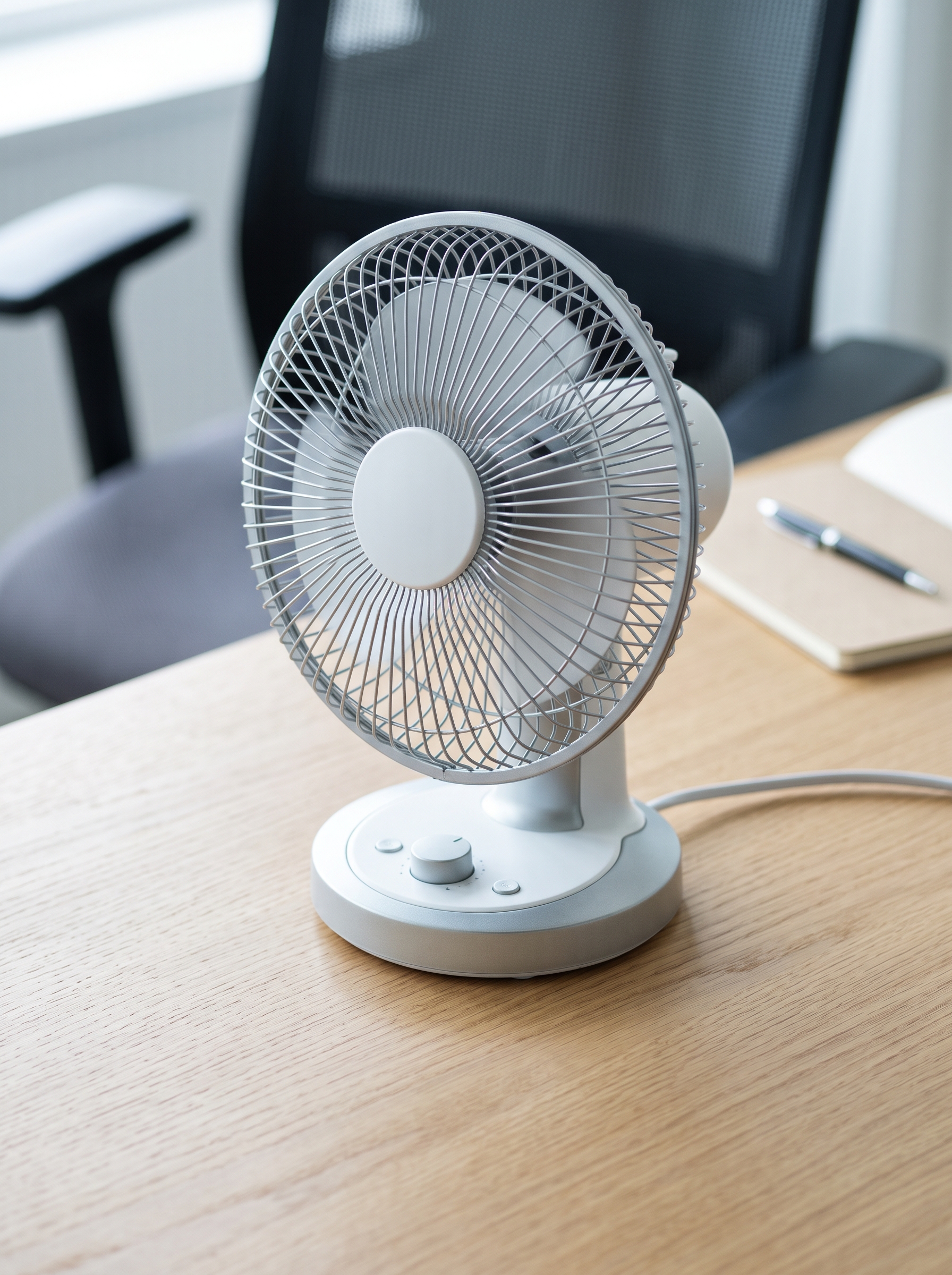
Comfort & Air-Treatment Controls
Fans · Humidifiers · Diffusers · Thermostats
Comfort & Air-Treatment Controls
Mixed SMT and through-hole control and UI boards for fans, humidifiers, aroma diffusers, air-purifier panels and room thermostats, keeping open humidity sensors and non-sealed relays protected through assembly.
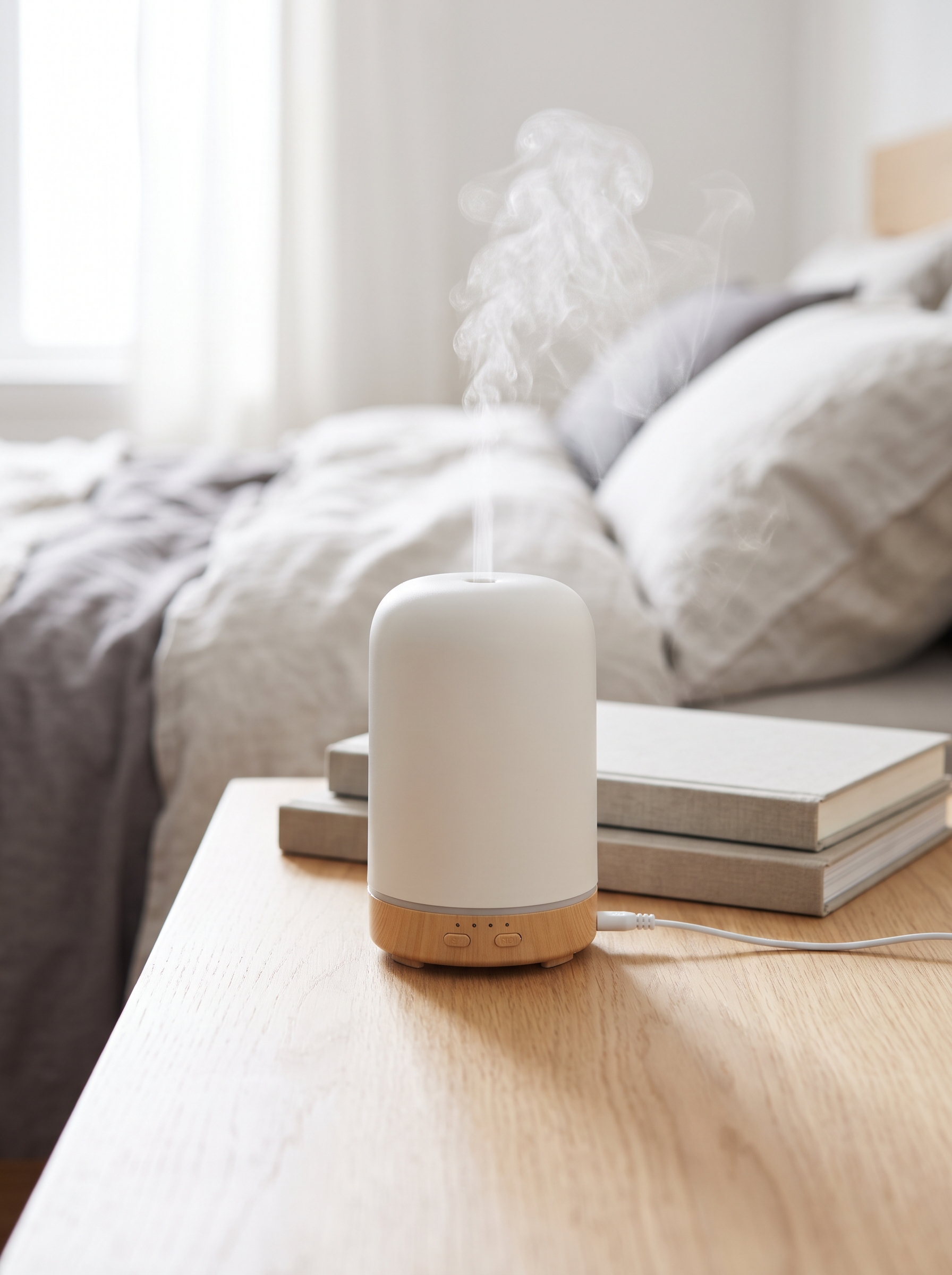
Touchless Hygiene & Scent Dispensers
Soap Dispensers · Fragrance Units · IR Lids
Touchless Hygiene & Scent Dispensers
Single-sided MCU, IR proximity and motor or pump driver boards for automatic soap, sanitizer and scent dispensers, reviewed across both faces before quoting to screen out opposite-face through-hole parts.
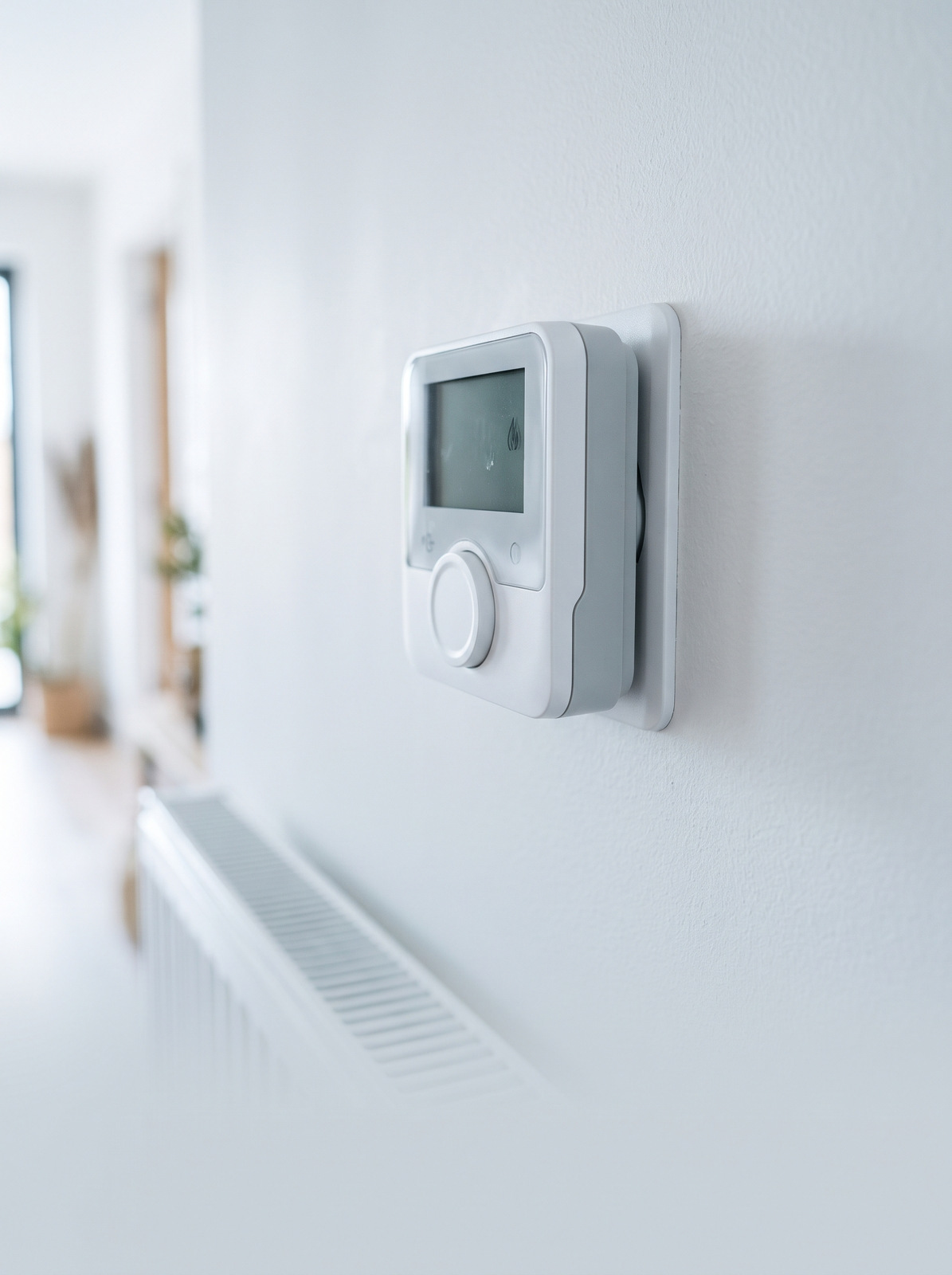
Home Switches, Touch UI & Indicator Panels
Capacitive Keypads · Tactile Strips · Timers
Home Switches, Touch UI & Indicator Panels
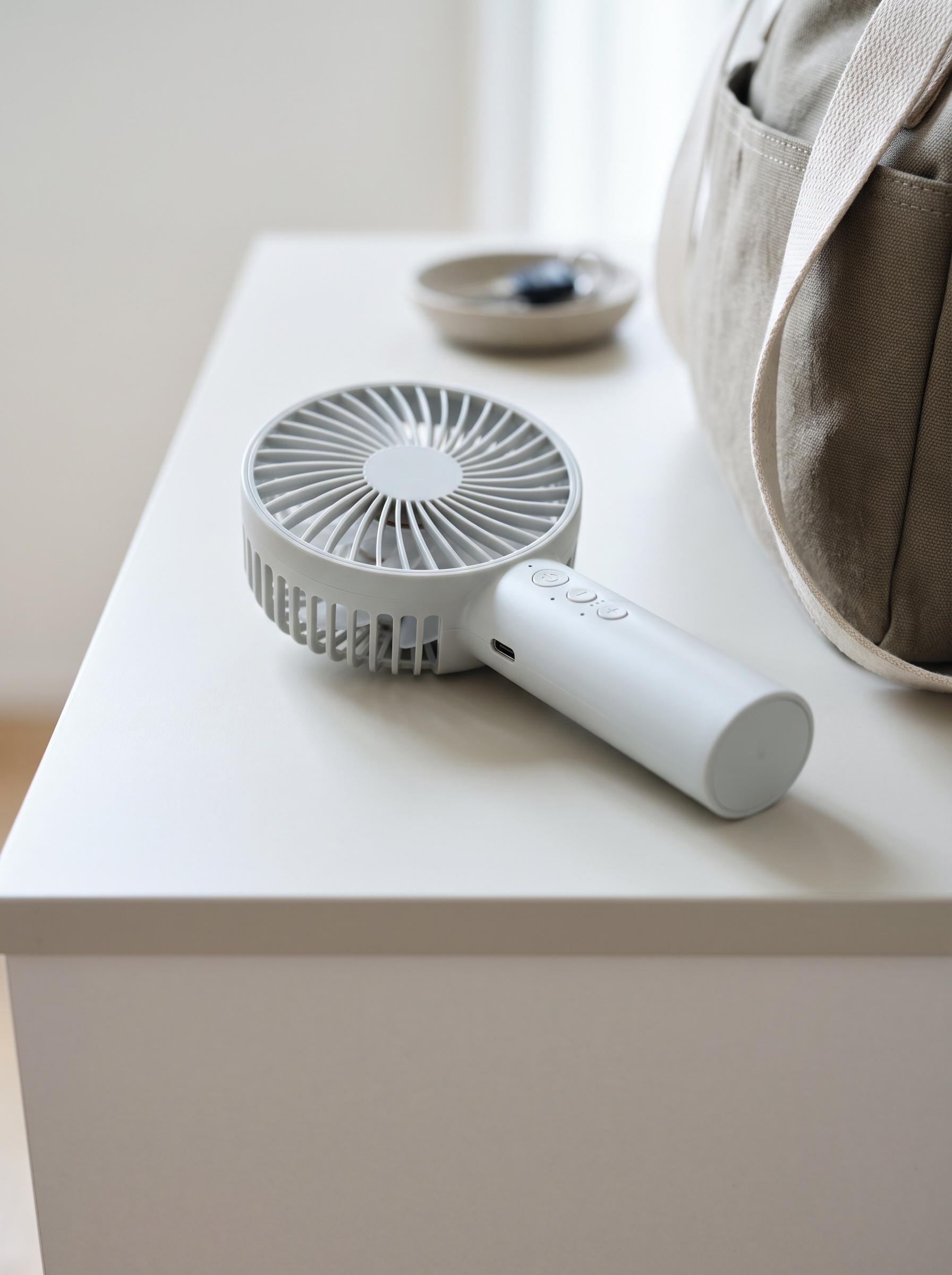
Rear-populated single-sided capacitive touch boards, tactile push-button panels and LED indicator strips controlled for switch plunger identity, LED-hole registration and clean molded-bezel fit.
Personal, Portable & USB/Battery Devices
Portable Lights · Rechargeable Desk Accessories
Personal, Portable & USB/Battery Devices
Compact low-voltage driver, charging and control boards for portable lights and personal rechargeable accessories, verified for single-sided layout fit, port overhang and battery-contact seating.
Board Families, Controls & Qualification Boundaries.
Four core consumer board families across assembly architecture, sector-specific manufacturing sensitivity and where factory electrical checks stop relative to customer-owned compliance.
Comfort & Air-Treatment Controls
Motor, Pump & Relay Control Boards
Switches, Touch UI & Indicator Panels
Personal & USB/Battery Accessories
Applicable documentation, quality records and compliance scope are confirmed per project; finished-appliance listings remain customer-owned.
 ISO 9001
 IPC-A-610
 ESD
 RoHS
 UL 94
Common Questions.
Direct answers on consumer scope boundaries, opposite-face through-hole screening, multi-SKU variant or alternate-part control and where PCBA checks end relative to appliance certifications.
Which consumer electronics boards fit this assembly scope — and which do not?
Best fit is everyday home, comfort, personal and small-appliance electronics built on ordinary FR-4 or aluminum-core boards with single-sided component mounting — including fan, humidifier and thermostat controls, small-appliance motor or relay boards, capacitive or tactile UI panels and portable USB or battery accessories. Smartphones, tablets, laptops, TVs, gaming consoles, smartwatches, dense double-sided HDI or BGA boards, potting, X-ray packages, RF/wireless certification and full app or firmware development stay outside our scope.
Our board only puts SMT parts on one side, with a few through-hole sensors or switches on the back — does it fit?
Not automatically. One SMT reflow face does not confirm single-sided mounting compatibility when through-hole IR sensors, potentiometers, switches, LEDs or radial capacitors mount on the opposite face, and single-sided mounting does not specify copper-layer count. Share your Gerber files, assembly drawings and BOM — even at draft stage — so we can inspect both board faces, joint access and whether layout consolidation onto one side is practical before quoting.
Can you manage multiple regional or feature SKUs on one shared PCB, and how are alternate parts controlled?
Yes. Shared base PCBs with SKU-specific Do-Not-Populate (DNP) lists and approved customer firmware files can run cleanly when each SKU links one locked BOM, placement list, stencil paste-aperture intent and production firmware image verified at first article. When components go on allocation, commercial passives or ordinary ICs are reviewed for footprint, height, sealing grade and electrical fit before your sign-off, while customer-designated safety-critical or agency-listed parts (fuses, relays, isolation parts) are never substituted without written approval.
Who owns IEC 60335, CE (LVD/EMC/RoHS) or FCC Part 15 compliance versus PCBA line testing?
End-product safety, EMC and regulatory declarations (IEC 60335-1 household safety, IEC 60730-1 automatic controls, EU LVD/EMC/RoHS CE marking and U.S. FCC Part 15 authorization or exemption determination) legally remain with the finished-product brand placing the appliance on the market. On the PCBA line, we handle lead-free assembly with customer-specified RoHS-compliant parts, BOM traceability, approved firmware loading, AOI, first-article inspection and agreed ordinary electrical or functional checks on your defined setup.

Start with
what you have.
Tell us about your home, personal or small-appliance electronics project. A draft BOM, Gerber set, schematic or reference sample is enough to start a practical fit review — share what you have now, intended quantities and any multi-SKU variants.
Developing a new appliance or personal device?
Check single-sided layout fit, open sensor or relay masking, switch registration and agreed electrical checks early before production files are locked.
Transferring an active consumer SKU?
Share your released revision, DNP variant matrix, locked safety-critical BOM items and approved firmware image for consistent repeat batches.
 Chinese
 English
 German
 Arabic
 French
 Spanish
 Portuguese (Portugal)
 Korean
 Indonesian
 Russian
 Italian
 Dutch
 Polish
 Hindi
 Thai
 Portuguese (Brazil)