

Low-Volume
PCB Assembly.
Controlled small-batch PCB assembly for pilot runs and repeat production orders. Keep your board revision, populated variants, component handling and agreed checks aligned from one lot to the next.
Controlled Production.
At Small-Batch Scale.
Low-volume PCB assembly supplies populated boards for pilot runs, occasional replenishment and recurring small orders—without requiring high-volume scale to justify disciplined build control. We assemble FR-4 and aluminum-core boards with single-sided component mounting through SMT, through-hole and mixed assembly, lead-free reflow, first-article review and AOI, alongside customer-provided firmware loading, conformal coating and agreed operating checks when included in the order.
Bring an established production release, a pilot board ready for repeat supply, an active assembly transferring from another line, or draft files and a BOM for early review. We verify what changes between builds before locking population, material setup and acceptance checks. Your team retains ownership of circuit design, approved alternates and finished-product qualification; environmental, safety and calibration testing remains separate.
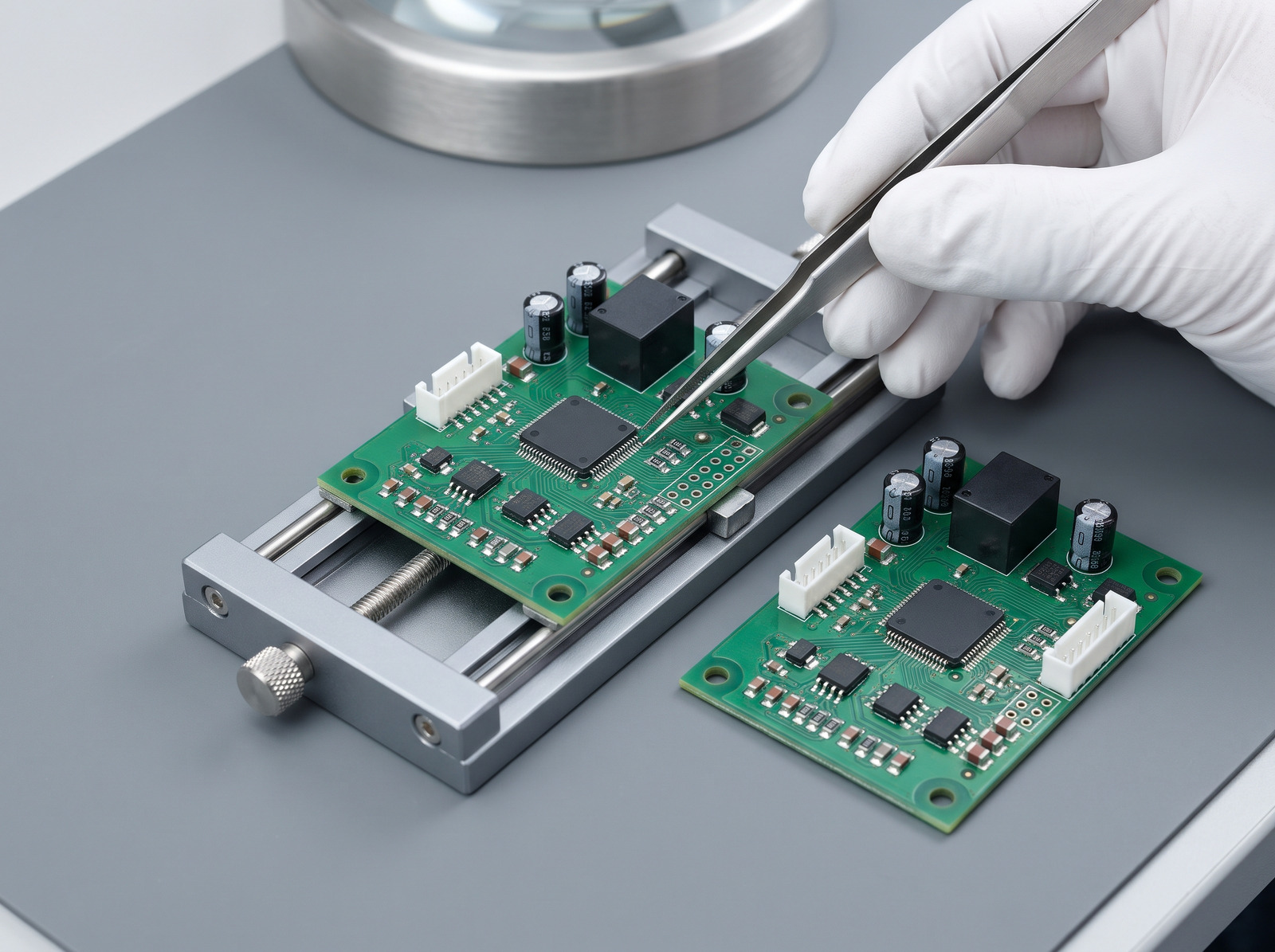
Built Around Your Production Rhythm.
Low-volume orders cover different purchasing and release stages, from a first pilot lot to recurring replenishment across multiple variants. Start from the situation that matches your build.
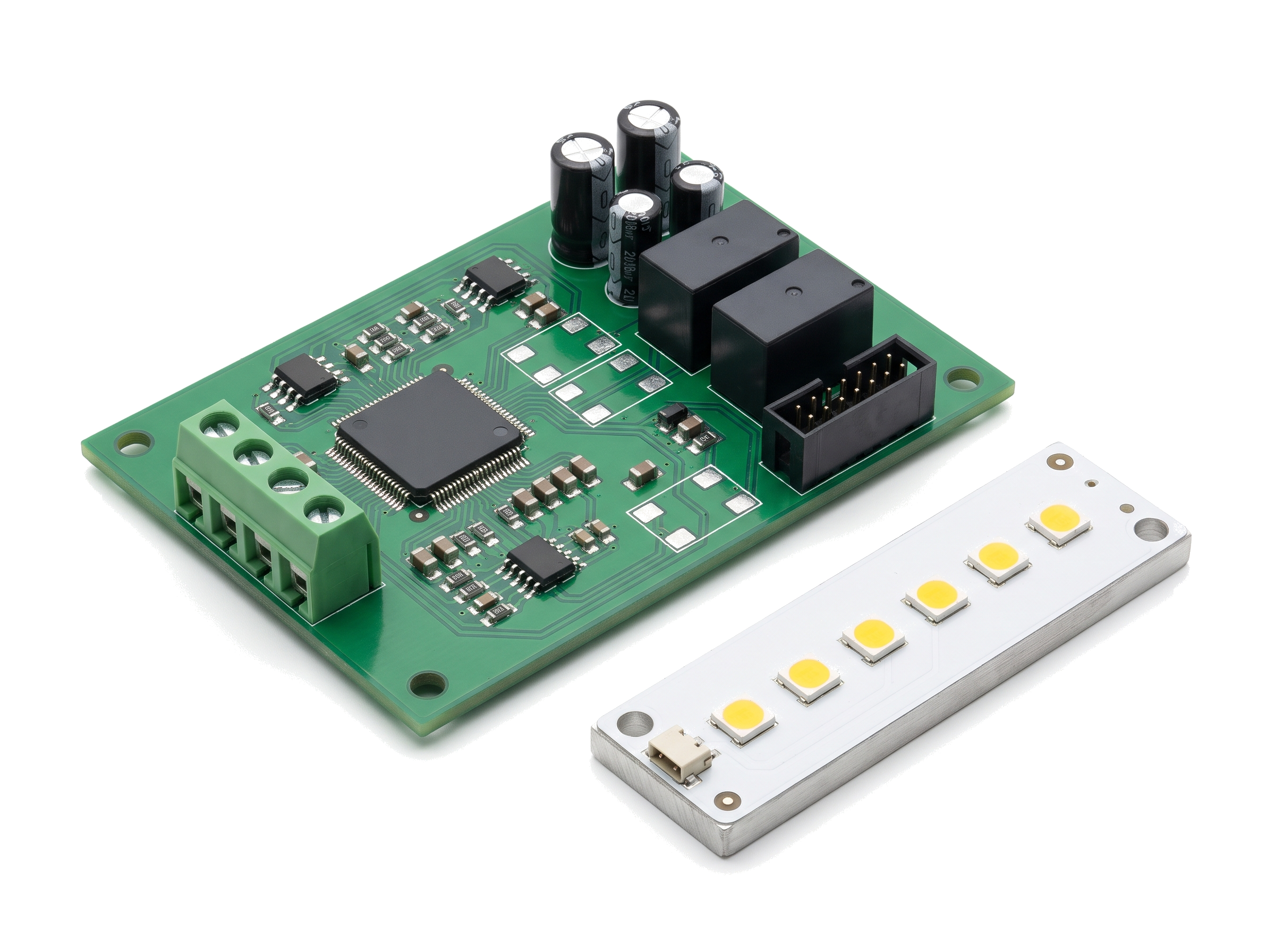
First Pilot & Small Production Runs
First Pilot & Small Production Runs
Moving a board out of early evaluation into small-batch manufacture turns informal trial notes into a repeatable build reference. Share your current files, BOM or sample to review placement, mixed-assembly fitting and first-article checks before locking the release for production.
Recurring Orders & Replenishment
Recurring Orders & Replenishment
Many products remain in steady low-volume supply across their lifecycle rather than scaling to mass production. For repeat lots, keeping the PCB revision, approved component list, material condition and agreed checking baseline aligned preserves consistent hardware from one order to the next.
Multiple Populated Variants
Multiple Populated Variants
A product family often uses one bare PCB across several feature levels or output configurations. Defining distinct release identifiers, fitted or do-not-populate states and per-variant quantities keeps shared hardware separated cleanly through setup, assembly and inspection.
Material Supply & Combined Build Scope
Material Supply & Combined Build Scope
Low-volume runs may combine customer-supplied kits, remaining parts from a prior lot or coordinated component purchasing within the same order. Tell us which materials are ready and whether customer firmware loading, conformal coating or operating checks belong in the assembly sequence.
Compare Repeat, Revised, Variant & Transfer Orders.
A new filename does not always require new tooling, and an unchanged board revision does not eliminate every setup review. Distinguish small-batch orders by what physically changes across outputs, materials and checks.
Same Revision & Population
Approved Board or Part Update
Shared PCB, Different Fitted Parts
Active Assembly Transfer & Parity Review
Four Controls Behind Repeatable Small Batches.
Consistent low-volume assembly depends on aligning population outputs with stencil geometry, maintaining material condition between lots, verifying true alternate equivalence and keeping soldering compatible with the actual component mix.
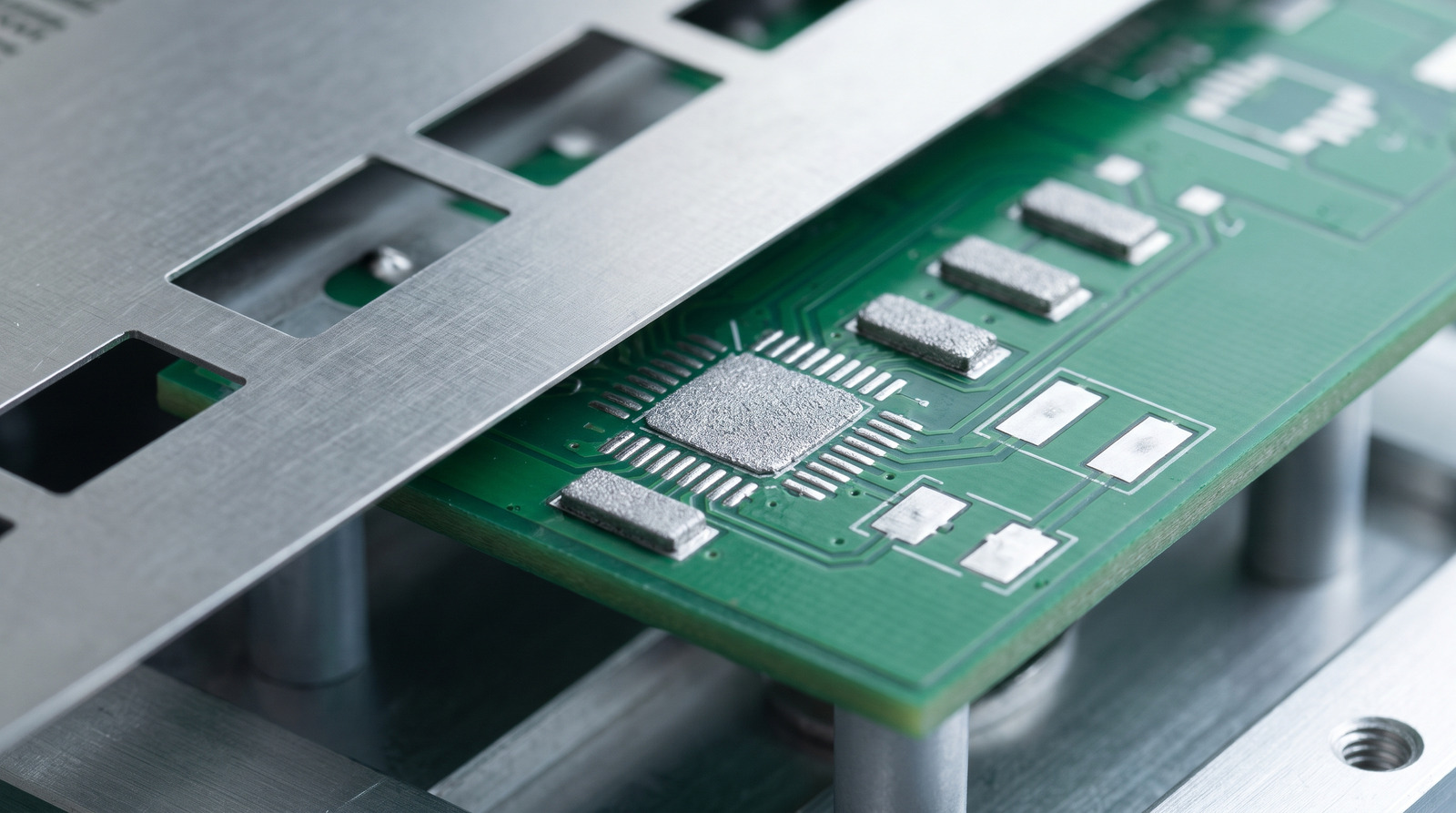
Population Outputs, Placement & Stencil Geometry
Reference designators, parts, footprints, location, orientation and fitted states must align across the BOM, placement data, assembly drawing and paste artwork. Because CAD tools handle do-not-populate omissions differently, depositing paste on an unused land differs physically from suppressing it. When apertures or foil change, rectangular area ratio (opening area divided by wall area, AR = LW/[2t(L+W)]) and the commonly applied 0.66 screening guideline help flag review points; actual paste, wall finish and process govern transfer, not nominal volume alone.
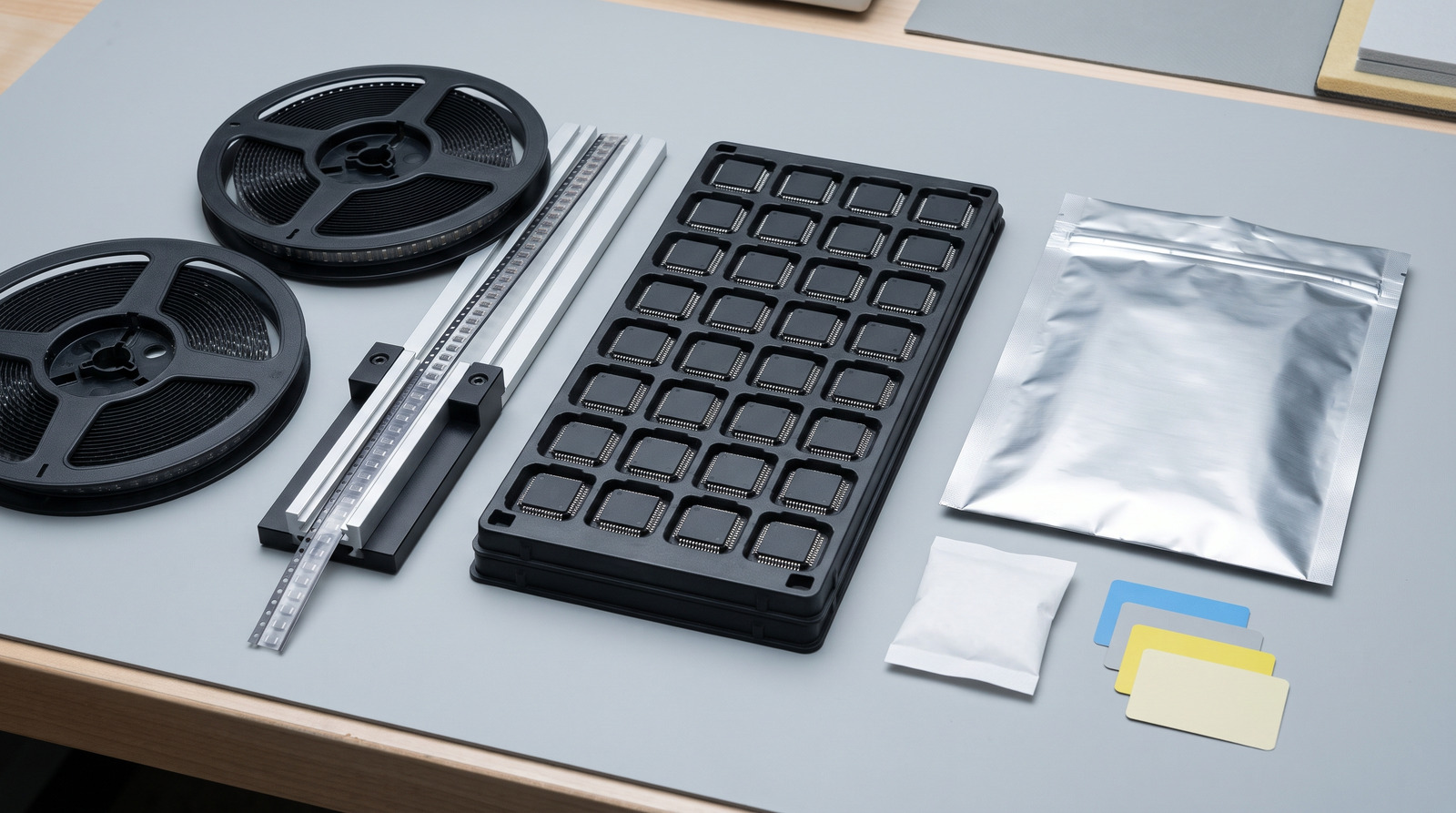
Material Presentation & Moisture Exposure
Parts supplied on tape, in trays or in another approved carrier must stay identifiable and compatible with the feeding setup. Remaining stock from an earlier batch is not automatically equivalent to sealed supply, because shelf life in intact packaging differs from floor life after opening, and handling affects terminations. As a standards-linked example for components classified at MSL 3, floor life is 168 hours at ≤30°C and 60% RH under applicable dry-pack conditions; actual package labels and exposure history govern handling rather than a universal reel expiry or generic bake recipe.
Alternate Parts & Package Equivalence
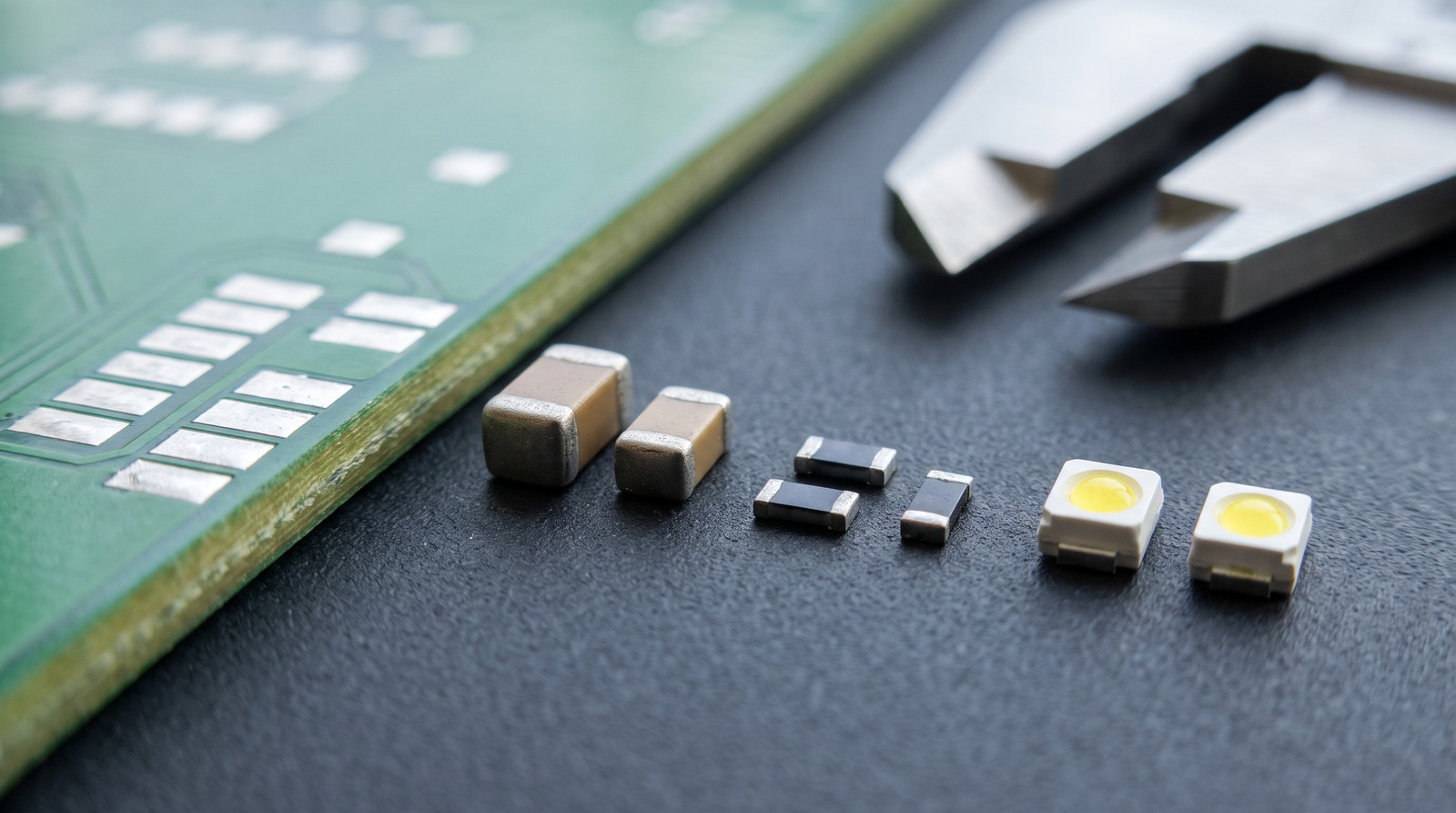
When a repeat lot introduces an alternate part, matching nominal electrical value alone is not enough. Mechanical fit, pin assignment, terminations, thermal limits and operating behavior all require review. For example, high-dielectric ceramic capacitors exhibit DC bias that can shift effective capacitance under working voltage, while LED package changes affect optical surfaces and nozzle contact. Specifying clear package conventions—such as 0603 inch / 1608 metric for a nominal 1.6 × 0.8 mm chip body—prevents ambiguous codes from introducing the wrong part, though tolerances, height, terminations and land patterns remain part-specific.
Component-Compatible Soldering & Mixed Access
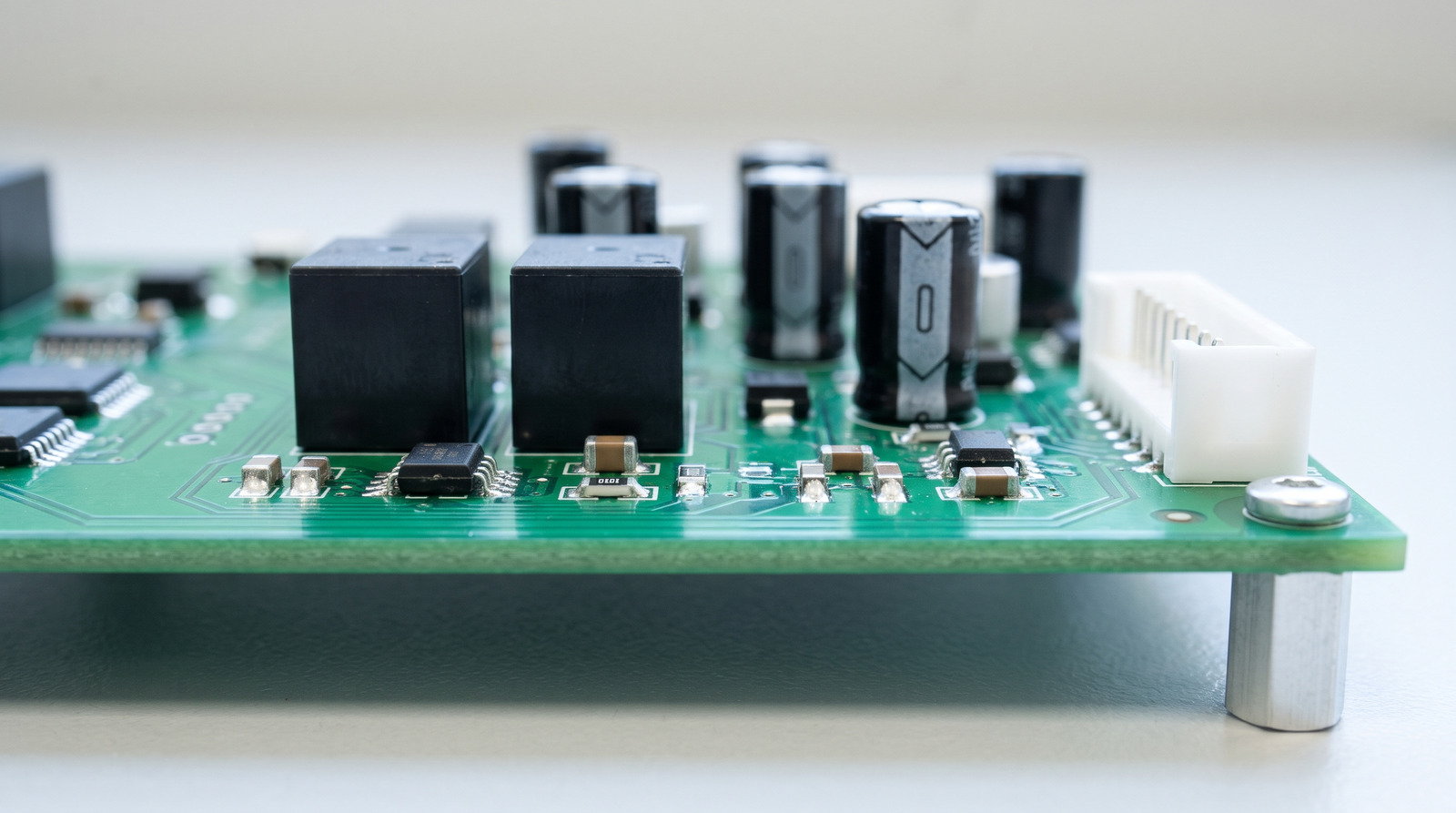
Repeating an FR-4 or aluminum-core mixed build with single-sided component mounting requires keeping thermal exposure, seating and cleaning compatible with every fitted part. Tall connectors, electrolytic capacitors and relays introduce lead-spacing, mechanical-stress, flux-penetration and sealing considerations that can shift when a part changes. For lead-free solder, conventional SAC305 alloy has approximate melting boundaries of 217°C solidus and 220°C liquidus—illustrating why alloy melting, a package’s thermal classification and the board’s actual soldering profile are distinct parameters, rather than prescribing an oven setting or a fixed factory alloy.
Where Your Small Batch Takes Shape.
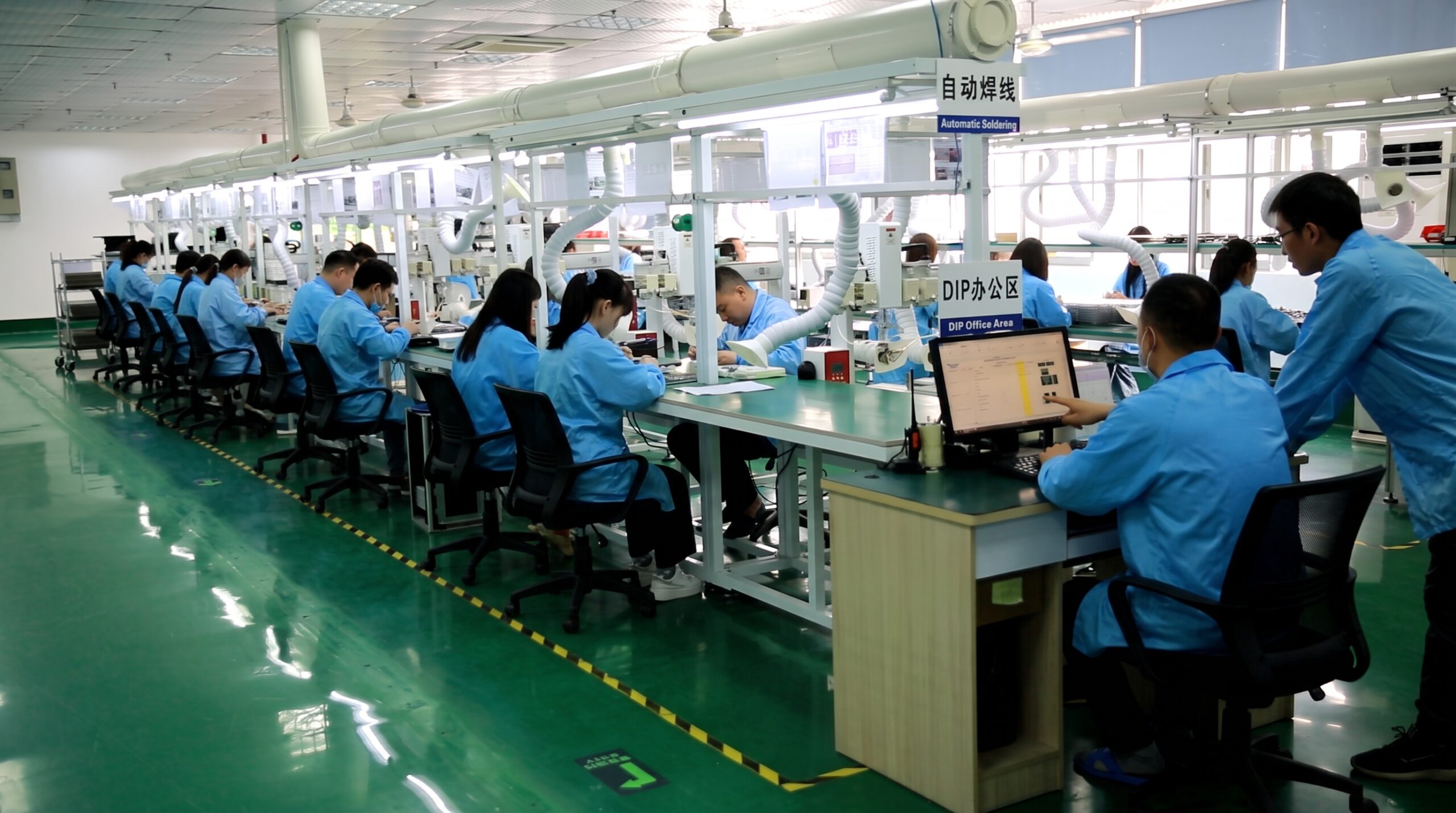
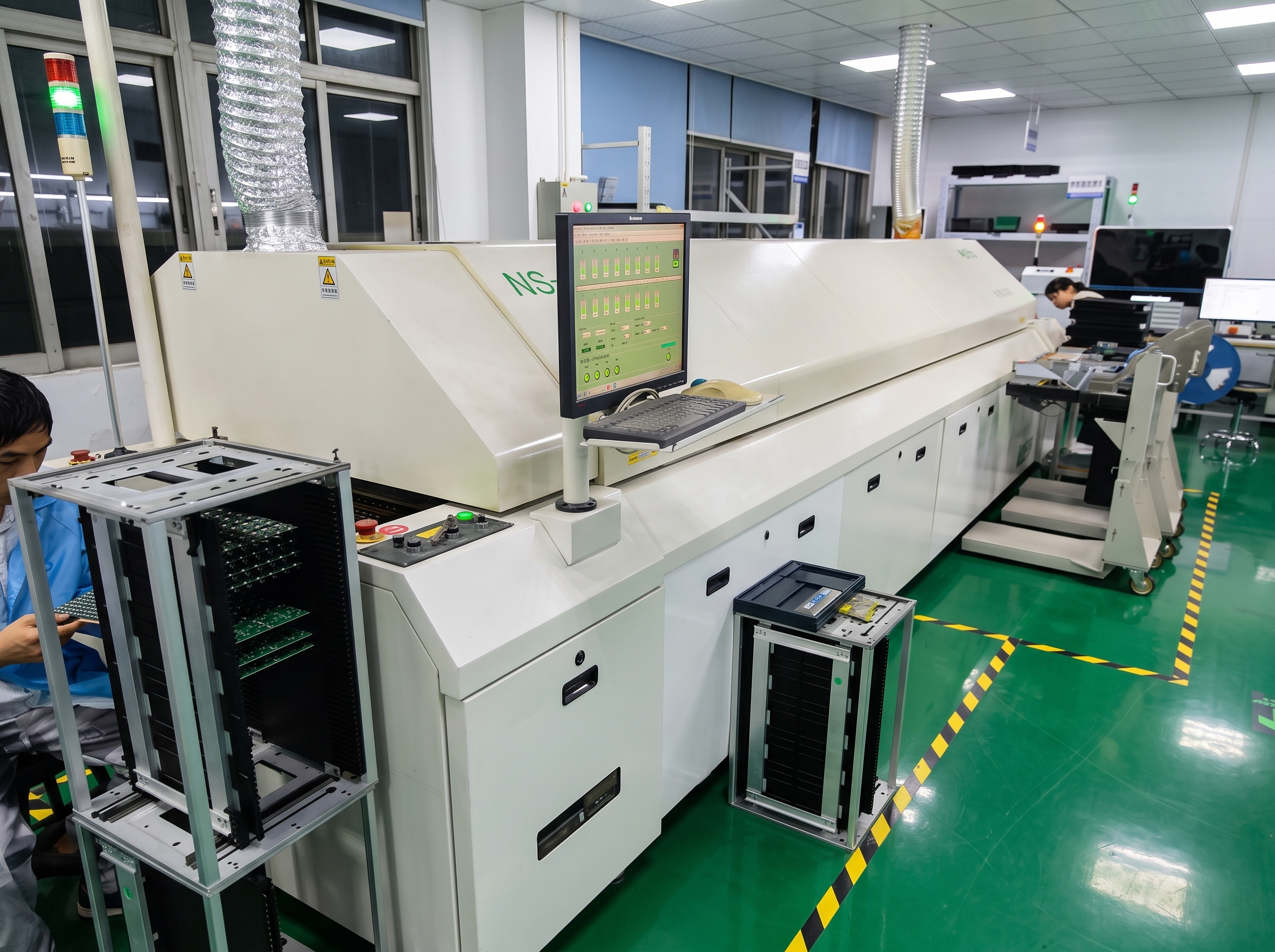
The production floor turns locked files, prepared materials and variant instructions into populated boards. These four stations show the working context for SMT placement, mixed through-hole fitting, lead-free reflow and first-article review; your build package and agreed acceptance reference define each lot.

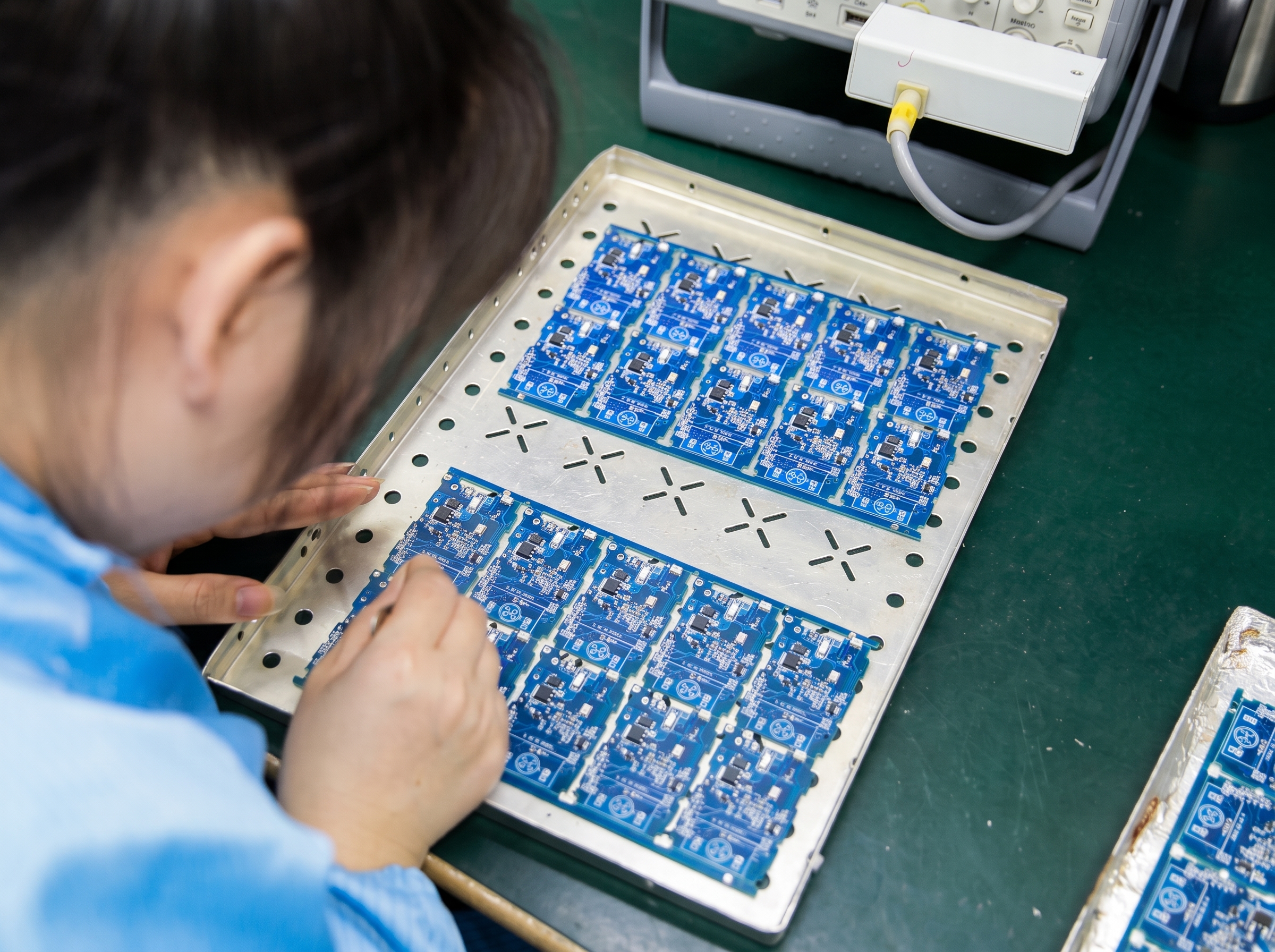
Surface-Mount Assembly
Feeder setup and placement programs follow the approved BOM, orientation references and fitted-variant list so recurring batches match the intended board revision.
Through-Hole & Mixed Assembly
Connectors, relays, terminals and leaded components are fitted alongside SMT circuitry according to assembly drawings that preserve seating height, polarity and access.
Lead-Free Reflow
Populated SMT boards pass through lead-free reflow shaped around the actual substrate, component thermal classifications and build requirements rather than a single generic recipe.
First-Article & Board Inspection
Initial boards are checked against part identity, polarity and population before the lot proceeds, followed by AOI and any electrical or functional checks agreed for the order.
Low-Volume Assembly for Your Product Electronics.
Recurring small batches raise different handling and compatibility questions depending on the electronics on the board. These representative product families illustrate how repeat-build controls connect with assembly.
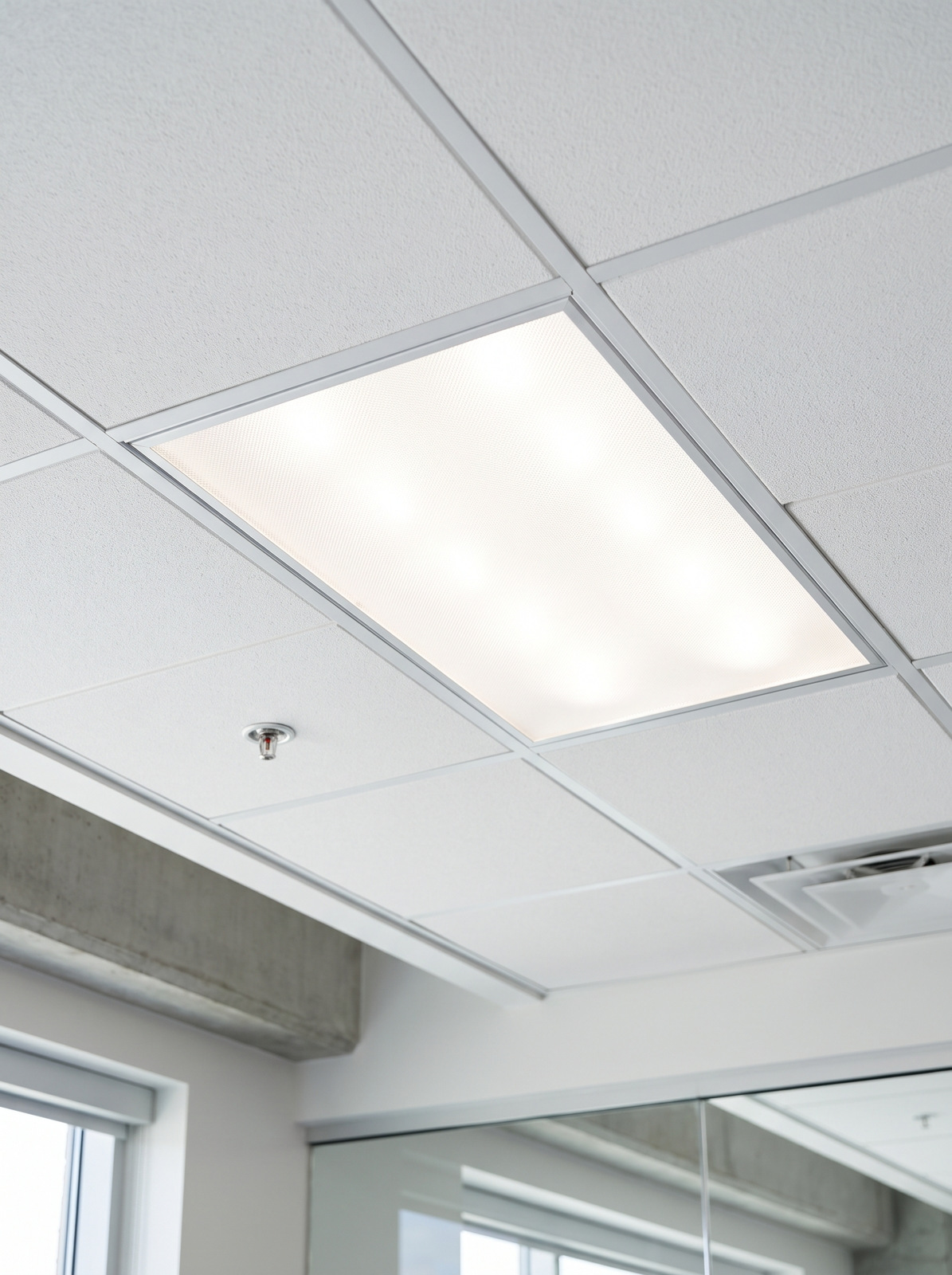
Lighting & Emitter Boards
Emitter handling
Lighting & Emitter Boards
We assemble FR-4 and aluminum-core lighting boards across repeat lots, preserving emitter identity, polarity, optical surfaces and package land geometry; finished-light performance evaluation remains separate.

Sensor Interface Boards
Sensing element care
Sensor Interface Boards
Repeat sensor builds keep exposed sensing elements protected from cleaning agents, coating or packaging residue so openings stay clear; physical sensor accuracy and calibration remain separate evaluations.
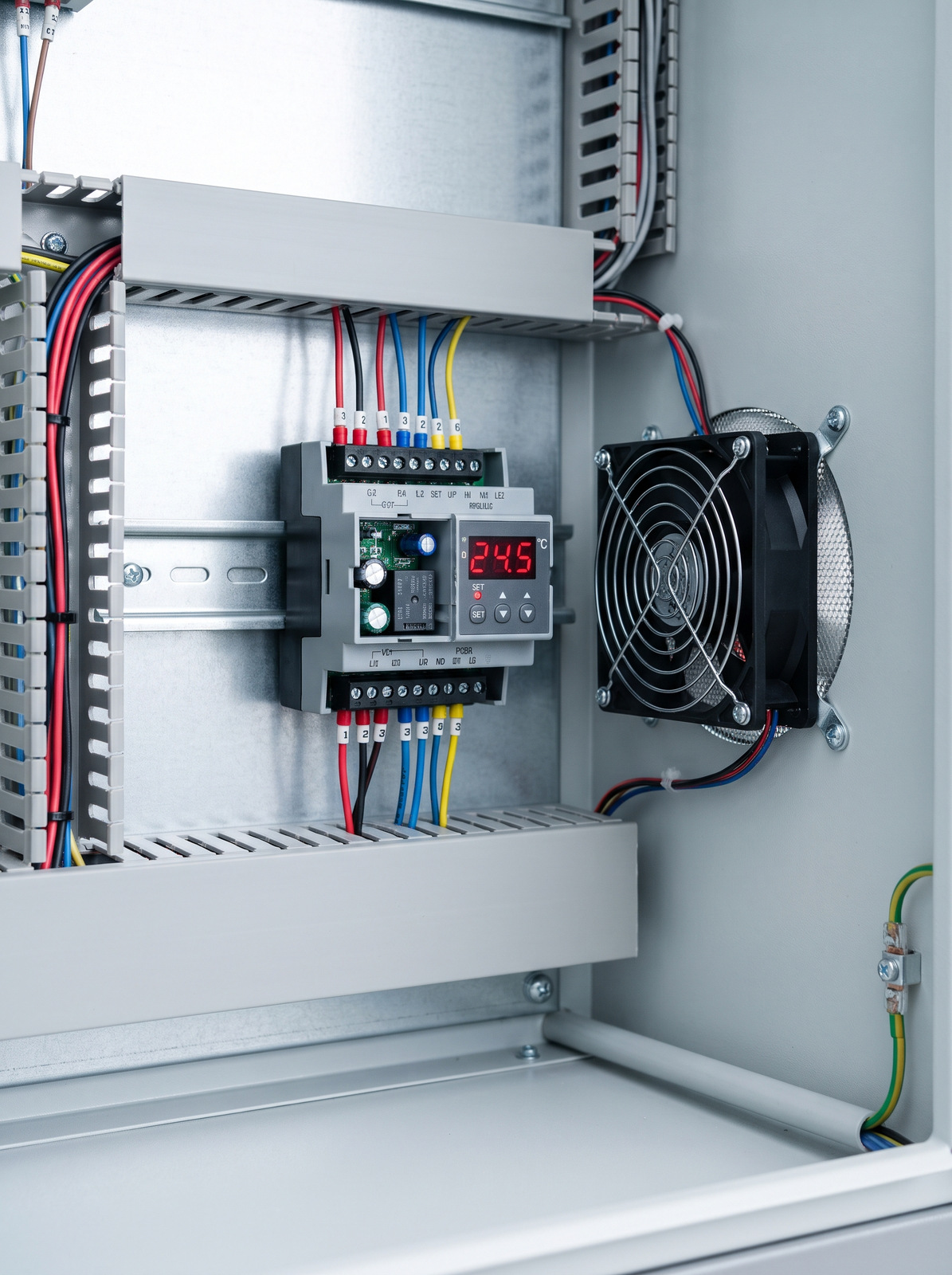
Relay & Control Boards
Seating & lead fit
Relay & Control Boards
Mixed control boards pair SMT circuitry with tall relays, capacitors and terminals. Repeat lots preserve seating, lead fit and cleaning compatibility; product safety evaluation remains separate.
From First Discussion to Repeat Supply.
Clear build handoffs keep small batches predictable without turning every reorder into a fresh start. Resolve open changes before execution, then carry the agreed baseline through assembly and checks.
Review Scope & Changes
Share the files available now—whether a released revision, a draft BOM, a prior build reference or a sample board. Clarify the batch quantity, material plan and whether anything changed from an earlier order.
Lock Release & Checks
Confirm the exact PCB revision, fitted or omitted parts, approved alternates and assembly sequence. Agree any firmware loading, conformal coating and the operating setup and limits for defined board checks before preparation.
Verify First Article & Build
Align stencil, placement and mixed-assembly setup to the locked package. Compare the initial populated board against identity, polarity and fitted state before completing the batch with AOI and agreed secondary steps.
Check & Hand Over
Run the agreed electrical or functional checks under comparable test conditions before shipment. Note any material, tooling or firmware update so the baseline stays accurate for the next repeat order.
Common Questions.
Answers to common decisions on tooling reuse, variant scheduling, leftover components and repeatable board checks.
Does an unchanged reorder eliminate tooling and setup work?
When board copper, paste openings and fitted parts stay identical, suitable tooling such as an existing stencil can often be retained. However, an unchanged revision does not automatically remove line setup, feeder preparation, material-availability confirmation or first-article verification. Overall quoting reflects actual material purchase quantities, component presentation, setup effort, variant changes and the checks agreed for the order.
Can multiple populated variants be built from one bare PCB design?
Yes, provided each variant carries its own clear identifier, BOM, placement interpretation and paste-artwork decision. Sharing a bare board does not automatically mean sharing the same stencil or operating check, because suppressing paste on omitted lands or changing fitted parts can alter both physical setup and verification. Defining variant quantities and build separation upfront prevents mixed populations during setup, assembly and inspection.
How are leftover parts and spare quantities handled across repeat lots?
Remaining parts from an earlier batch are reviewed for clear part identification, carrier and feeder compatibility, termination condition and documented exposure history before reuse. Planned spare material and actual consumed or lost material are distinct quantities shaped by component presentation, tape format and feeder setup rather than a single universal percentage, so material planning is confirmed for each order’s actual parts.
What keeps functional board checks comparable from one batch to the next?
Comparable checks define the power supply, connections, load, operating state, applied stimulus, observed rails or outputs and pass criteria explicitly. Whenever firmware, a load, cable, fixture, instrument or procedure changes, review which observations and limits are affected rather than assuming prior results still apply. A passed check confirms only the defined observations under that setup; it does not cover untested functions or complete product qualification.
Manufacturing Experience. Direct Cooperation.
Our factory’s experience includes long-term supplier relationships with Fortune Global 500 customers and demanding supplier audits. We bring that manufacturing background to sample builds, small batches and repeat orders, with quality expectations established around the electronics your product needs.
Long-term supplier to Fortune Global 500 customers.
Sustained enterprise supply is part of our manufacturing experience. We apply that experience to the coordination of your low-volume assembly order, with material responsibilities and build requirements agreed for the project.
Passed demanding supplier audits and customer reviews.
Our factory has passed demanding supplier audits. That experience supports direct discussion of the quality expectations, documentation and acceptance requirements relevant to your assembly.
First-article, AOI, and board checks.
First-article review, AOI and agreed electrical or functional checks examine different aspects of the assembly. Across small batches and repeat orders, clear revision, material and population references connect those checks to the intended build.
Long-term relationships.
Global brands.



Start with
what you have.
Tell us about your low-volume PCB assembly project. Available Gerbers, a draft or released BOM, variant notes or a sample board can start a practical discussion; share your intended batch quantity and the main question you want to resolve.
Preparing a pilot or first small batch?
Review your current files, material plan and check baseline before locking the production release.
Scheduling a repeat, variant or transfer order?
Identify the established revision, batch quantity and any part, population or transfer details to review.
 Chinese
 English
 German
 Arabic
 French
 Spanish
 Portuguese (Portugal)
 Korean
 Indonesian
 Russian
 Italian
 Dutch
 Polish
 Hindi
 Thai
 Portuguese (Brazil)