

طلاء مطابق
for PCB Assemblies.
Protective conformal coating coordinated alongside your PCB assembly order, with defined coverage zones, component keep-outs, cure staging and agreed boundary checks.
Protection Matched
to Your Board.
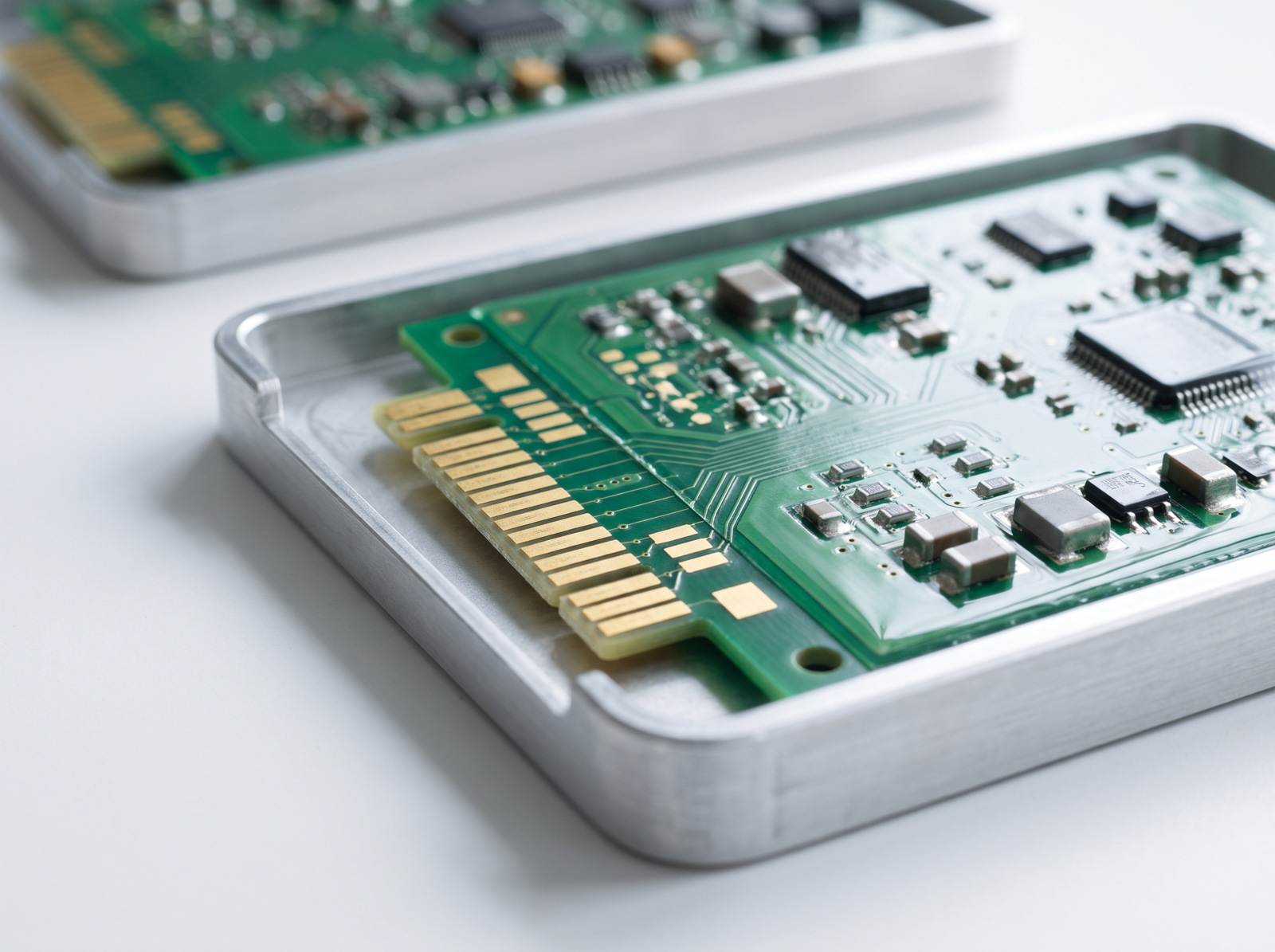
Conformal coating applies a thin protective film to designated areas of a populated circuit board to help resist moisture and surface contamination when the specified material, coverage and component rules match the operating environment. We provide conformal coating alongside SMT, through-hole and mixed PCB assembly so coverage boundaries, masking and test access stay coordinated within one build order.
A clear brief connects protection with function: which circuits require film coverage, which contacts, optics or sensor openings must remain bare, and how programming or electrical checks fit the sequence. Start with the files you have—a board sample, draft coverage drawing or existing coating specification—and we will align requirements before production. Potting, resin encapsulation and finished-product ingress certification remain separate scopes.
Start with the Protection Requirement.
Connect the intended environment with the actual populated assembly. Your build stage, coating specification and exposed interfaces define the scope to review.
Coating With Your Assembly Order
Coating With Your Assembly Order
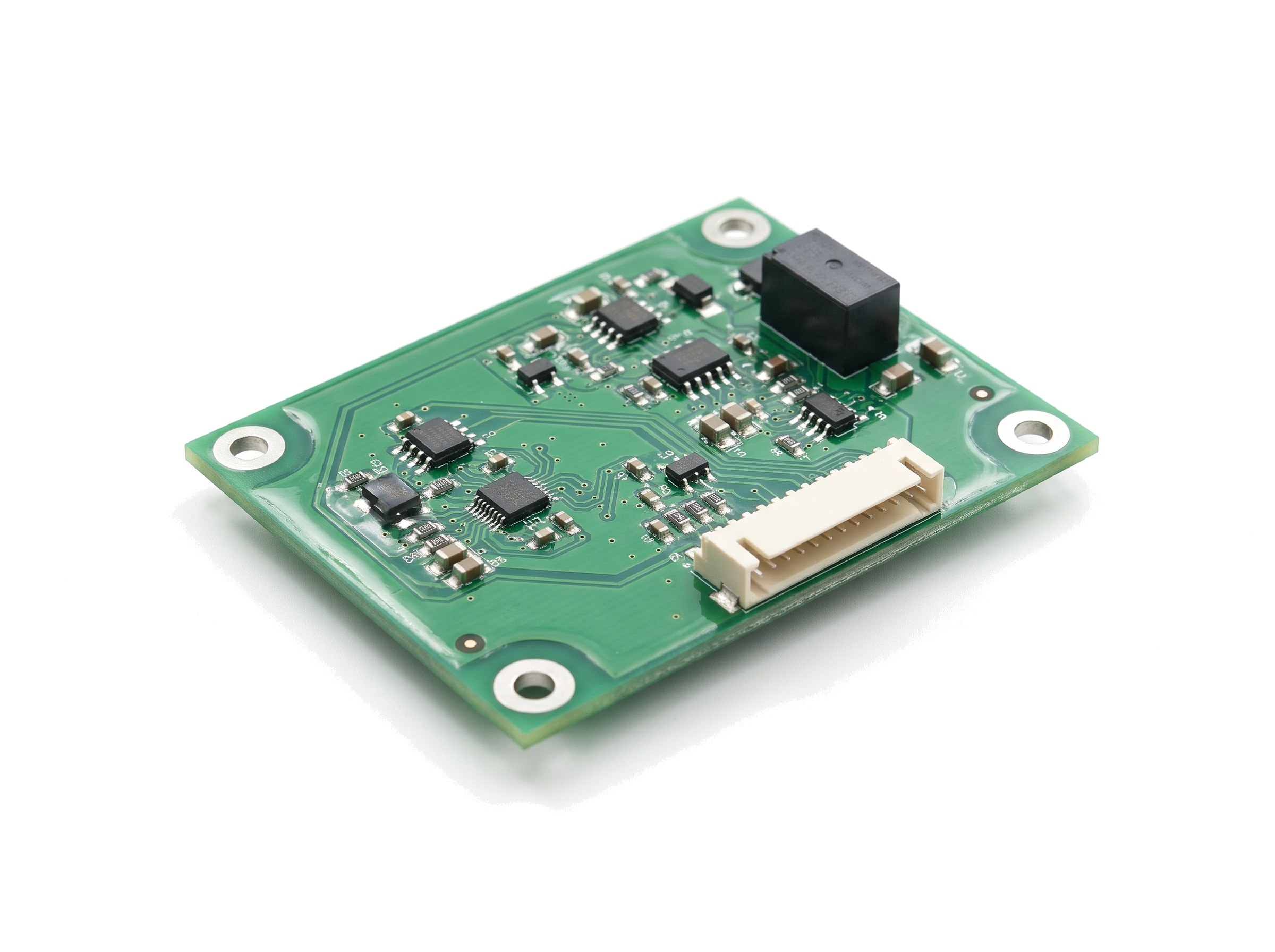
Bring the coating requirement into the PCB assembly discussion from the start. Component population, connector heights and mounting interfaces form the physical reference for keep-out masking, while programming headers and probe pads can be sequenced cleanly around coating and agreed checks.
An Existing Coating Specification
An Existing Coating Specification
Share the exact coating product, coverage drawing and acceptance criteria with their document revisions. A broad resin family name alone does not define surface preparation, application limits or cure timing—the actual product datasheet and component handling documents govern compatibility.
New or Changed Designs
New or Changed Designs
A revised connector, switch, optical LED or environmental sensor can alter where liquid coating may wick or which surfaces must stay exposed. Highlight updated parts and open compatibility questions early; a sample board or draft drawing is enough to begin review before locking production files.
Repeat Batches & Variants
Repeat Batches & Variants
Keep the populated board variant tied to its matching coverage drawing on every recurring lot. Fitted versus do-not-populate connectors, alternate housings or revised test headers can shift masking boundaries—linking revision and coating documentation prevents drift across repeat orders.
Compare the Four Coating Control Layers.
Coating chemistry is only one piece of board protection. Clear zone drawings, capillary keep-out masks, cure staging and test-access sequencing determine whether coated boards function cleanly in the field.
Selective Coating & Drawing Zones
Contacts, Sensors & Optical Exclusions
Specified Material & Cure Staging
Programming & Board-Test Coordination
Boundaries, Keep-Outs & Cure. Board-Level Coating Controls.
Effective conformal coating protects designated circuitry without fouling connectors, sensors or test pads. Drawing boundaries, capillary keep-out masking, surface compatibility, cure staging and post-coat inspection govern how the film behaves on your populated board.
Selective Coating Coverage & Drawing Boundaries
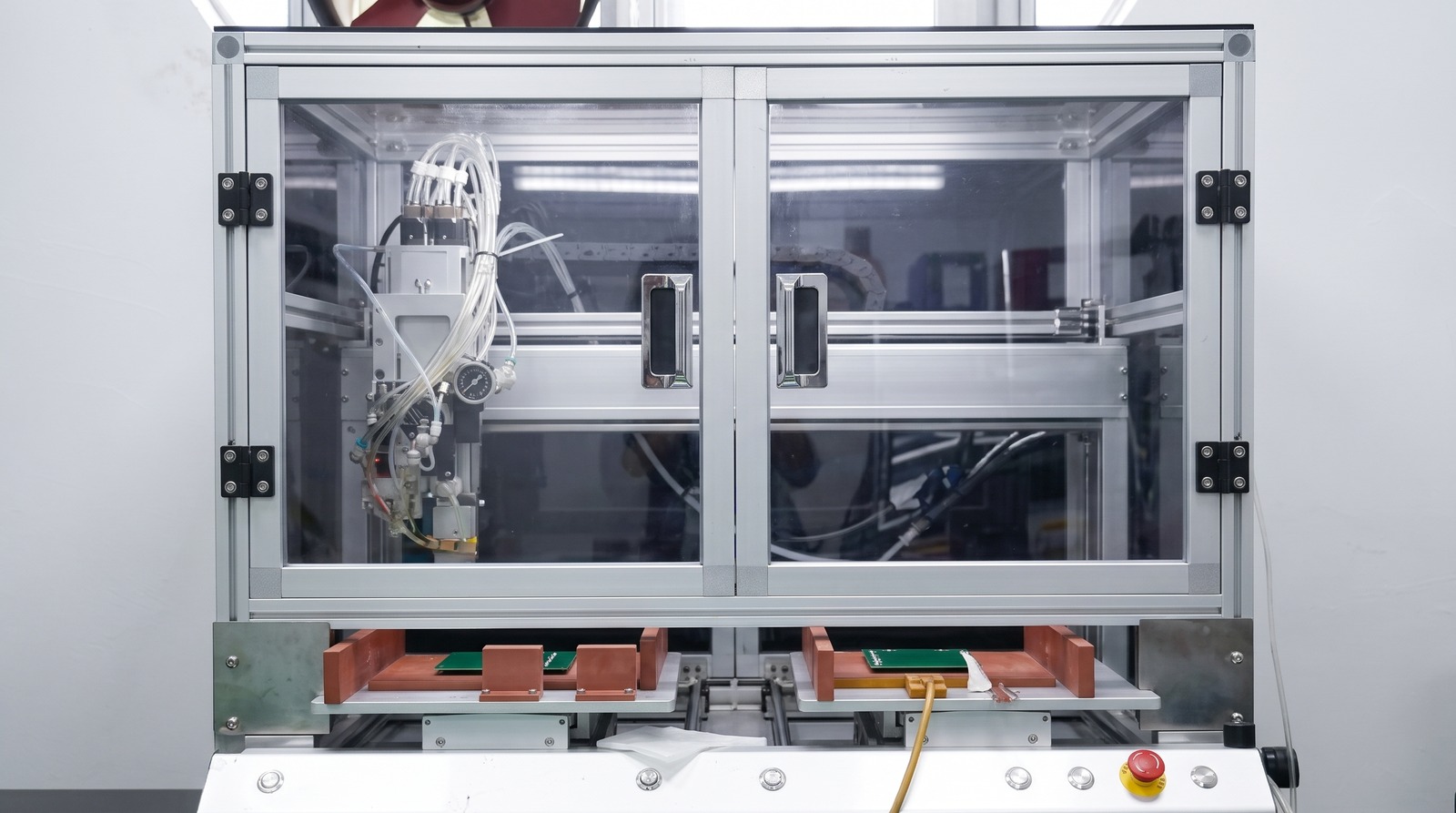
The assembly coverage drawing identifies surfaces to coat, openings to exclude and allowable transition margins. Using that drawing to position masks or define the selective dispensing path keeps coverage aligned to the approved board revision.
Connector, Switch, Sensor & Optical Keep-Outs
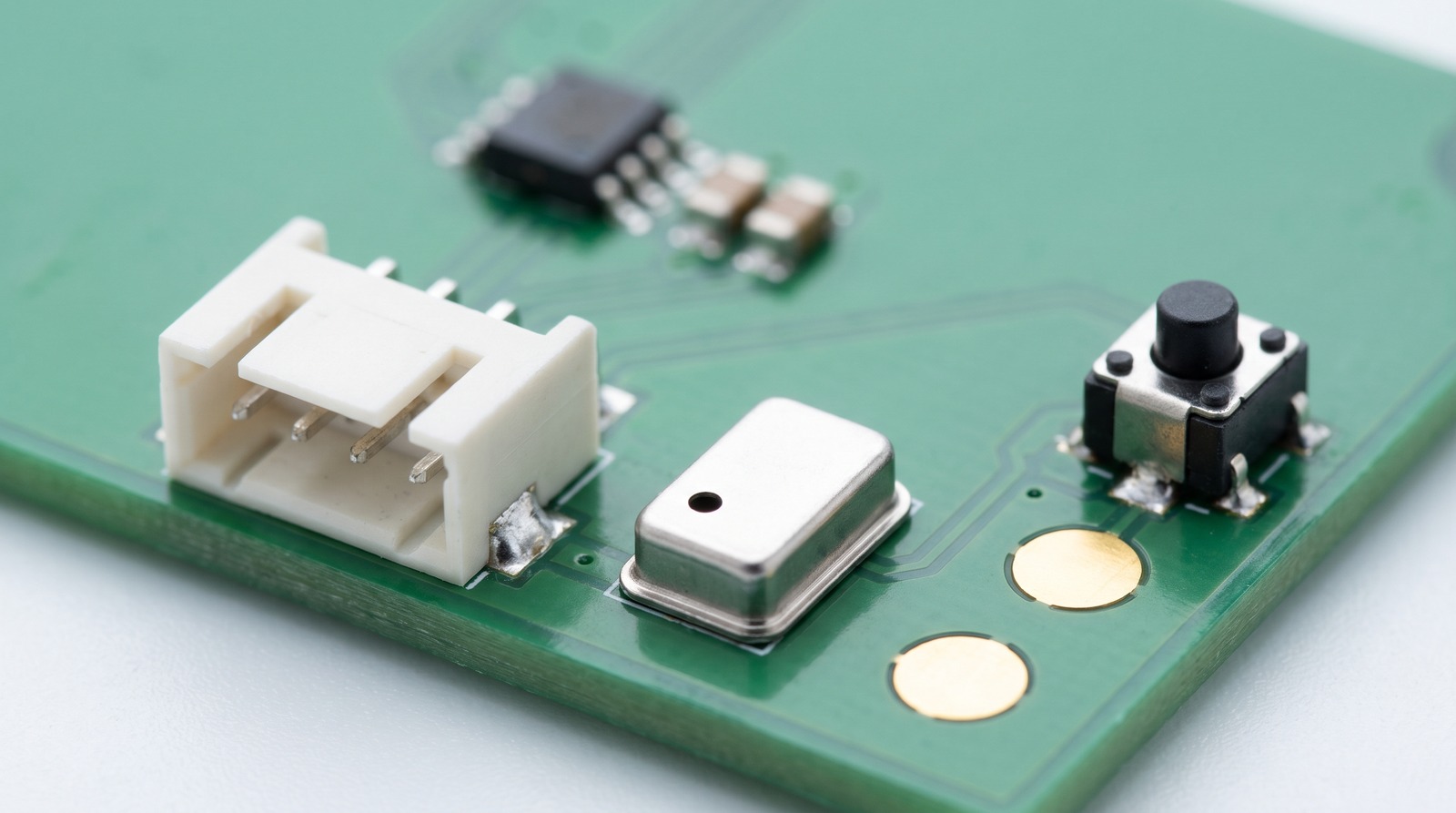
Low-viscosity liquid coatings can wick into unsealed housings or mating contacts before curing. Defined keep-out clearances and masking protect open wire-to-board headers, tactile switch stems, acoustic/barometric/gas sensor membranes, grounded RF shield contacts, and LED emitter lenses or phosphor domes per component datasheets.
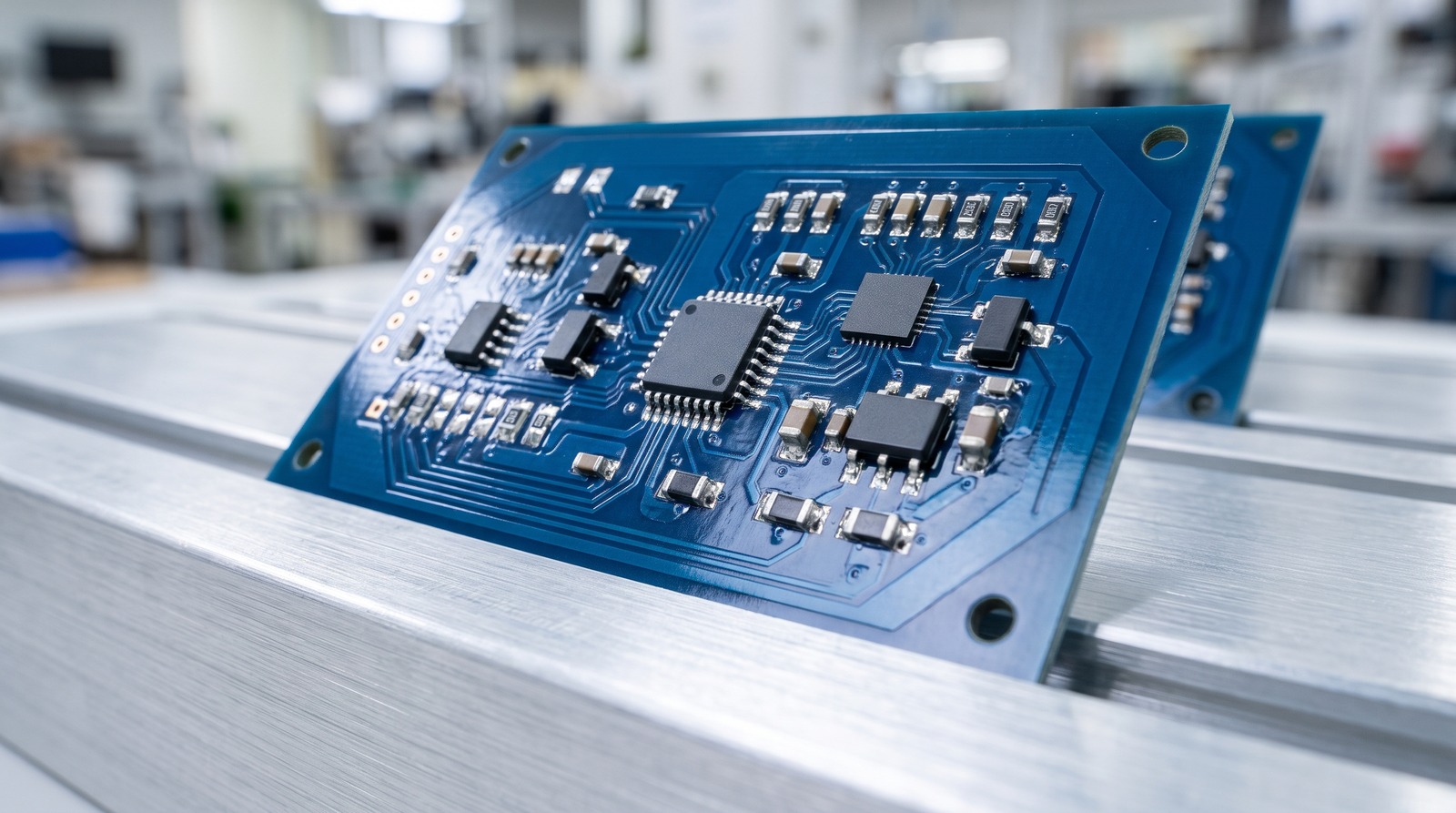
Pre-Coat Surface Cleanliness, Material Fit & Cure
Residual flux and incompatible nearby component materials can cause dewetting, bubbles or optical shifts on LEDs. Reviewing the exact coating TDS and component compatibility notes—and distinguishing tack-free handling time from full cure—prevents film damage during racking, handling or installation.
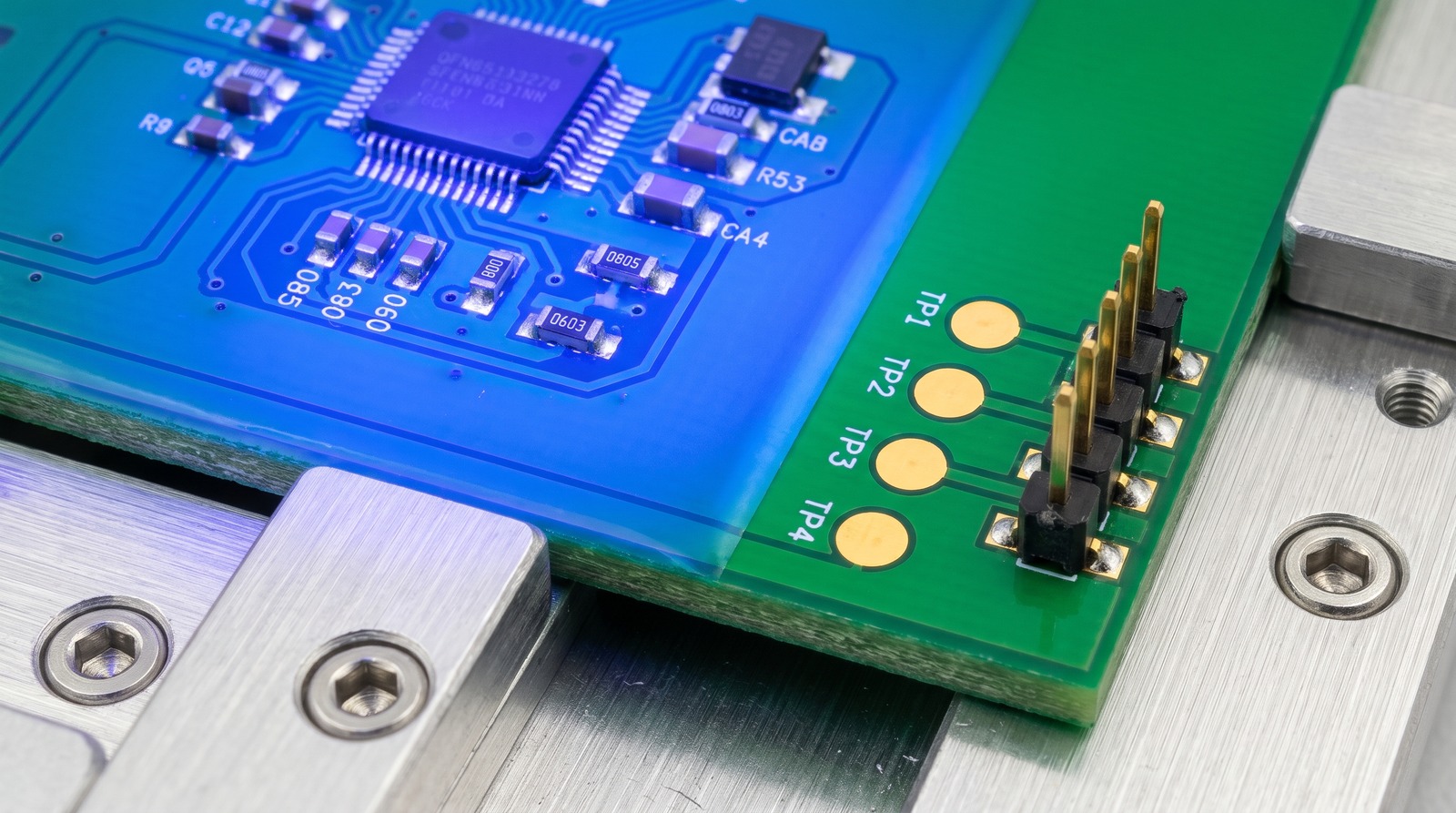
UV/Visual Boundary Inspection & Test-Point Access
Coated boards are reviewed under oblique white light or UV-trace illumination where supported by the specified coating material to inspect film continuity, pinholes, bridging and keep-out edges. SWD/UART programming headers and pogo-pin test pads stay masked or sequenced around firmware loading and agreed checks.
Protection Around Your Product Details.
Lighting and control assemblies bring distinct exposed interfaces and environmental needs into the coating brief. Actual material, coverage and exclusion rules remain tied to each design.

Portable Light Boards
Power & Product Connections
Portable Light Boards
Compact portable-lighting boards sit near switches, charging ports and battery contacts. Define the circuit areas to protect while keeping mating contacts and programming points clear.
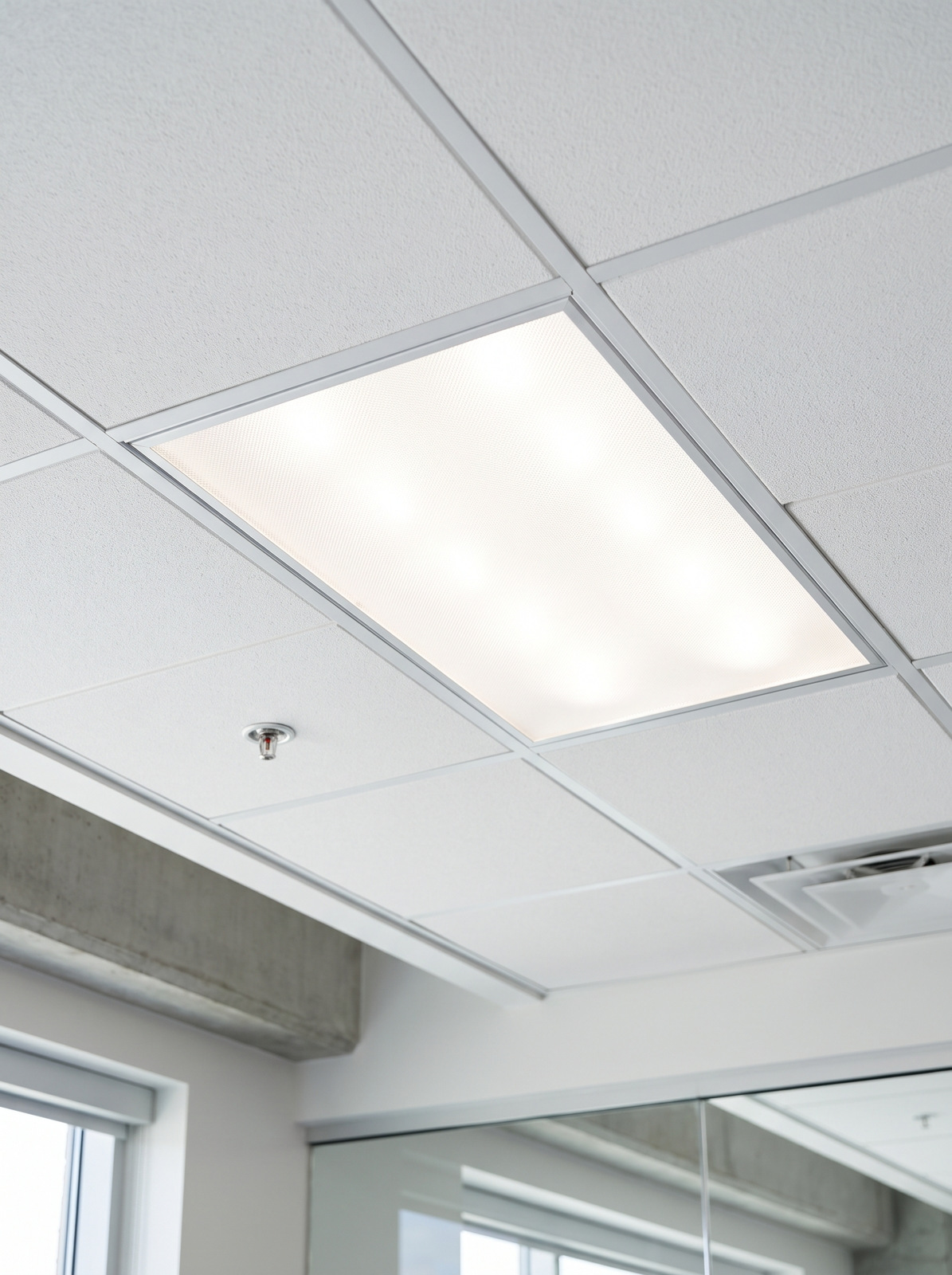
LED Light Engines
Emitters, Optics & Interfaces
LED Light Engines
LED emitter packages can be sensitive to chemical vapors or film over lenses and phosphor domes. Review the LED manufacturer’s chemical-compatibility guidance and exclude optical and installation surfaces.
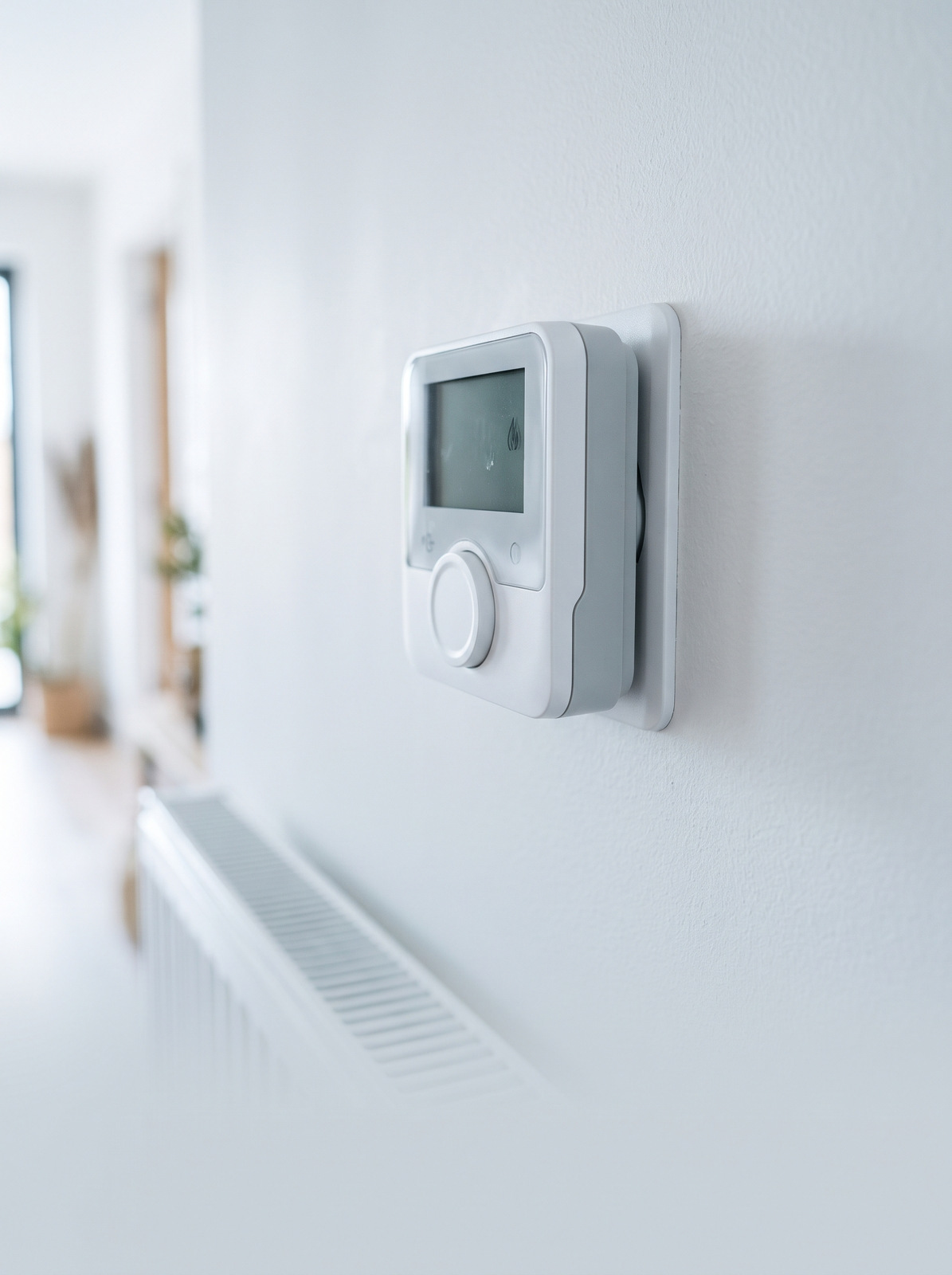
Sensor & Control Boards
Openings, Contacts & Access
Sensor & Control Boards
Environmental sensors, relays and control terminals often require open membranes, vents or dry mating contacts. Use exact component handling sheets to lock exclusions and keep test access clean.
From Protection Brief to Board Handoff.
Tie material choice, coverage drawing, component restrictions and checking sequence directly to the assembly order before boards enter production.
Share the Assembly Requirement
Send available board files, quantity, intended operating environment and any existing coating specification or coverage drawing; a sample or compatibility question can start the review.
Agree the Coating Scope
Confirm exact coating product, coated zones, keep-clear boundaries, component datasheet restrictions and whether programming or testing runs before or after coating.
Assemble & Apply Coating
Complete PCB assembly first, then execute surface preparation, masking, selective coating application and cure staging according to the agreed material and board plan.
Inspect & Hand Off
Run agreed oblique-white or UV-trace boundary checks and post-coat verification before dispatch so your team can evaluate the protected assembly in its product.
Common Questions.
Answers to common questions about conformal coating versus waterproofing, component keep-outs, material standards and testing sequence.
Does conformal coating make an assembled PCB waterproof or IP-rated?
No. Conformal coating applies a thin protective film to designated board areas to help resist moisture and surface contamination; it does not make a board waterproof or establish an IP ingress rating. Watertight sealing depends on the complete enclosure, gaskets and product-level qualification, and potting or resin encapsulation remains outside our scope.
Which components typically require keep-out zones or masking before coating?
Mating connector pins, unsealed switches, adjustable trimmers, RF shield contacts and programming/test pads commonly require keep-out masking so liquid coating cannot wick into electrical contacts. Open sensor membranes (such as acoustic, pressure or gas sensors) and LED emitter lenses or phosphor domes also follow component-manufacturer handling and chemical-compatibility instructions.
How do standards like IPC-CC-830 or UL component recognition relate to a coated board?
Material qualification (such as IPC-CC-830) and UL component recognition describe a coating material’s properties under defined test conditions—they are distinct from application workmanship on a specific board and do not automatically certify the finished electronic product. Your product team determines overall system compliance and environmental qualification.
Should firmware loading and functional testing happen before or after conformal coating?
Either sequence can be planned when defined up front. Running programming and functional checks before coating gives unobstructed access to headers and probe pads, whereas post-coat checks rely on masked test points or mated connectors. Confirming test access and distinguishing tack-free handling from full cure prevents damaged film or fouled contacts.
Manufacturing Experience. Direct Cooperation.
Our factory’s experience includes long-term supplier relationships with Fortune Global 500 customers and demanding supplier audits. Bring your assembly and protection requirements into the same practical discussion, whether you need samples, a small batch or another production run.
Long-term supplier to Fortune Global 500 customers.
Long-term enterprise supply is part of our manufacturing background. Your board and coating order brings its own component, material, coverage and handoff requirements into that relationship.
Passed demanding supplier audits and customer reviews.
Our factory has passed demanding supplier audits. That manufacturing experience informs direct discussion of your order’s documentation, quality expectations and acceptance requirements, including the coating specification.
First-article, الهيئة العربية للتصنيع, and board checks.
Assembly inspection, coating boundary acceptance and agreed operating checks address different attributes. Clear references establish what the order includes and what your team will evaluate.
Long-term relationships.
Global brands.




Start with
what you have.
Share the board you need assembled and coated, its quantity and intended operating conditions. A sample, draft coverage drawing or existing material specification can begin the discussion, including contacts and openings that must stay clear.
Prototype & sample builds
Start from a sample or draft drawing to align keep-out zones, material fit and test sequence.
Small-batch & repeat runs
Keep coverage drawings, variant masks and acceptance checks locked across recurring lots.
 Arabic
 English
 German
 French
 Spanish
 Portuguese (Portugal)
 Korean
 Indonesian
 Chinese
 Russian
 Italian
 Dutch
 Polish
 Hindi
 Thai
 Portuguese (Brazil)