

Dispensing & Air-Care
PCB Assembly.
Build-to-print FR-4 control, sensor and actuator PCB assembly for touchless soap and foam dispensers, waterless scent diffusers and automatic paper-towel mechanisms. Align mounting-face Gerber screening, masked conformal coating, locked firmware or OTP loading and agreed dry-bench checks from sample builds through repeat production.
One Sector.
Distinct Board Realities.
Commercial hygiene dispensers and waterless air-care devices combine compact enclosures, intermittent pump, fan or motor loads and low-voltage battery or DC power, yet their control electronics diverge across active-IR sensing, optical encoders, aerosol cams, dry-cartridge fans, cold-air nebulizers and optional pre-certified wireless modules. Our build-to-print scope covers ordinary SMT, through-hole and mixed assembly on FR-4 and aluminum-core boards with single-sided component mounting, lead-free reflow, AOI, first-article review, customer-approved firmware or configuration loading, conformal coating to a customer-defined chemistry and keep-out drawing, and agreed dry-bench checks. Because single-sided component mounting does not define copper-layer count — and one SMT reflow face never confirms fit when through-hole optics, displays, switches or headers sit on the opposite side — we screen both Top and Bottom Gerbers and the full BOM package list before quoting.
Clear scope boundaries keep sourcing efficient from day one. Water-reservoir ultrasonic or mesh humidifiers and water-mist aroma diffusers are covered on our dedicated Humidifier & Aroma Diffuser PCB Assembly page. Outside our confirmed offer are potted sensor faucets and flush valves, kitchen food-waste disposers, medical nebulizers, heated wax warmers and plug-in mains thermal diffusers, HVAC scent plants, commercial beverage, ice or coffee machines, and pet fountains or feeders — alongside X-ray-dependent BGA or WCSP packages, potting and heavy-copper power stages; full firmware, app or cloud development; wet, olfactory, optical, acoustic, EMC or RF lab testing; and end-product certification. Early fit reviews welcome a draft BOM, schematic, Top and Bottom Gerbers or reference sample; production files, coating drawings, locked checksums and dry test limits are settled before release.
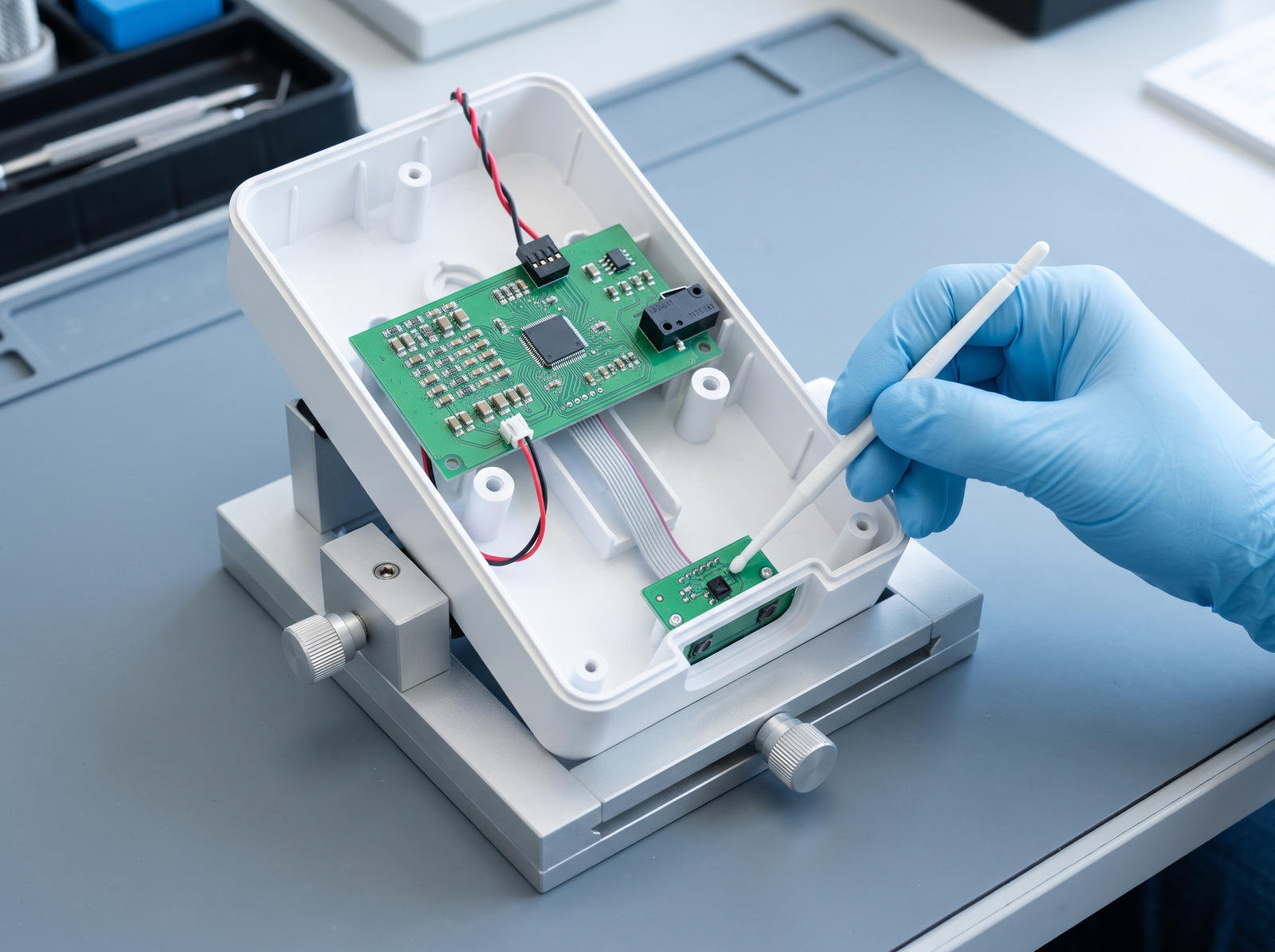
Dispensing & Air-Care Board Families.
Select the control-board family matching your dispenser or air-care hardware. Three dedicated application pages address non-potted touchless hygiene and waterless air care, while water-reservoir mist units are covered on our separate humidifier and aroma-diffuser assembly page.
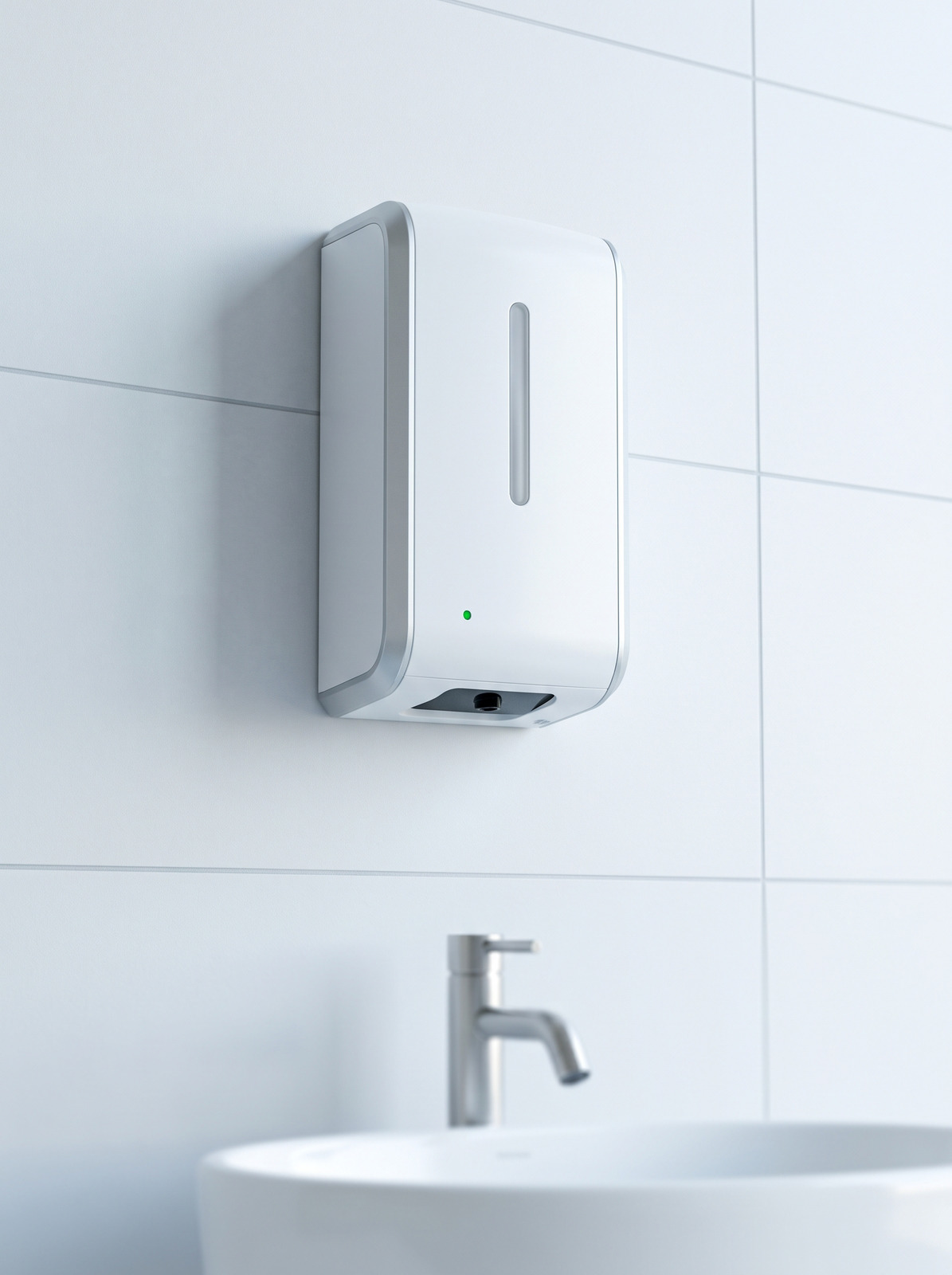
Touchless Soap & Foam Dispensers
Active-IR Control · Ribbon Sensors · Modular RF
Touchless Soap & Foam Dispensers
Non-potted FR-4 control boards, ribbon-separated IR sensor boards and modular RF sub-boards for commercial liquid, gel and foaming soap dispensers, with masked coating and dry checks.
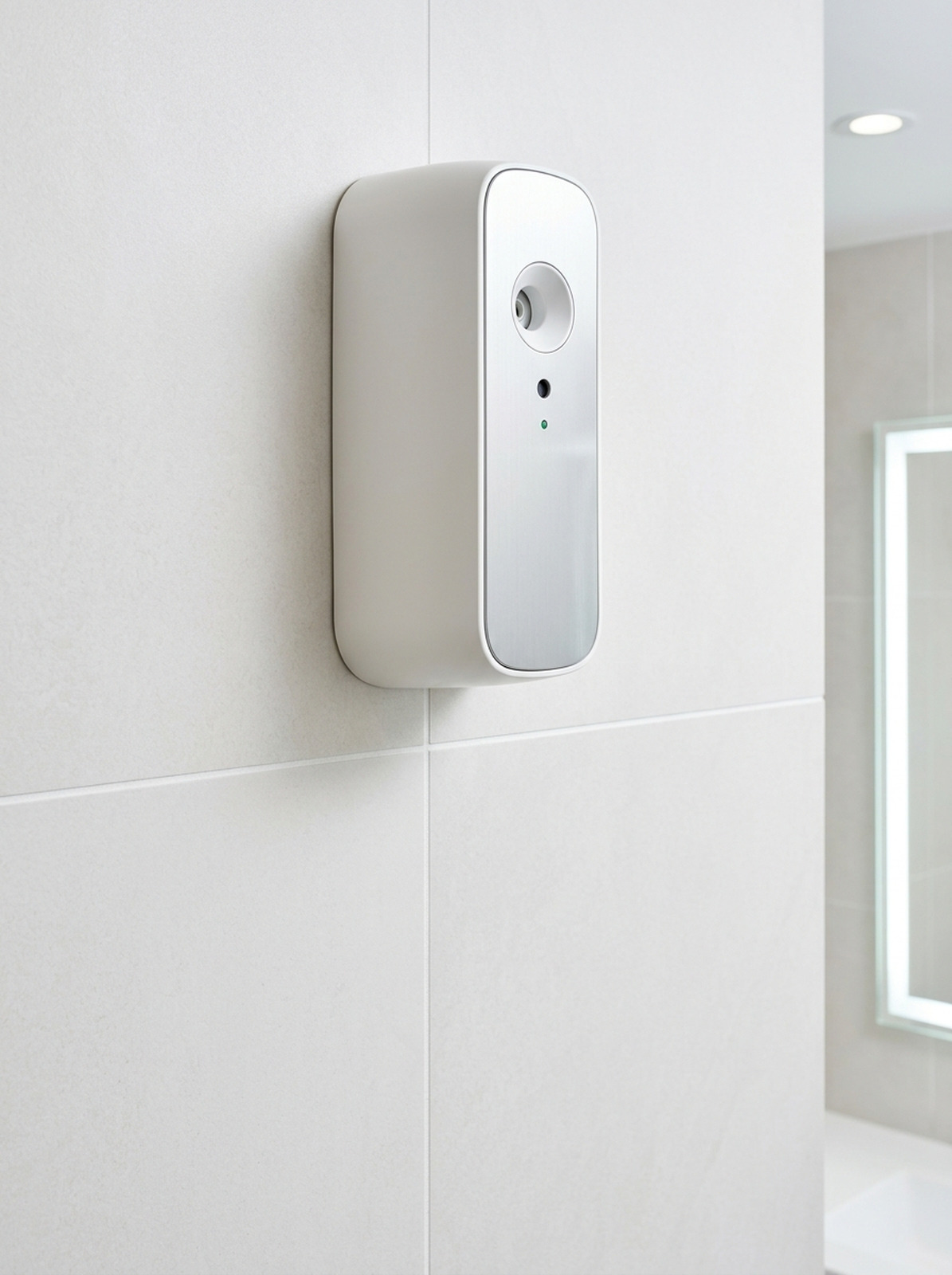
Waterless Scent & Air Fresheners
Timed Aerosol · Dry Fan · Cold-Air Nebulizer
Waterless Scent & Air Fresheners
Build-to-print control boards for timed aerosol drives, dry-cartridge fans, cold-air Venturi nebulizers and direct-oil piezo units, with locked memory loading, antenna keep-outs and OEM-specified coating.
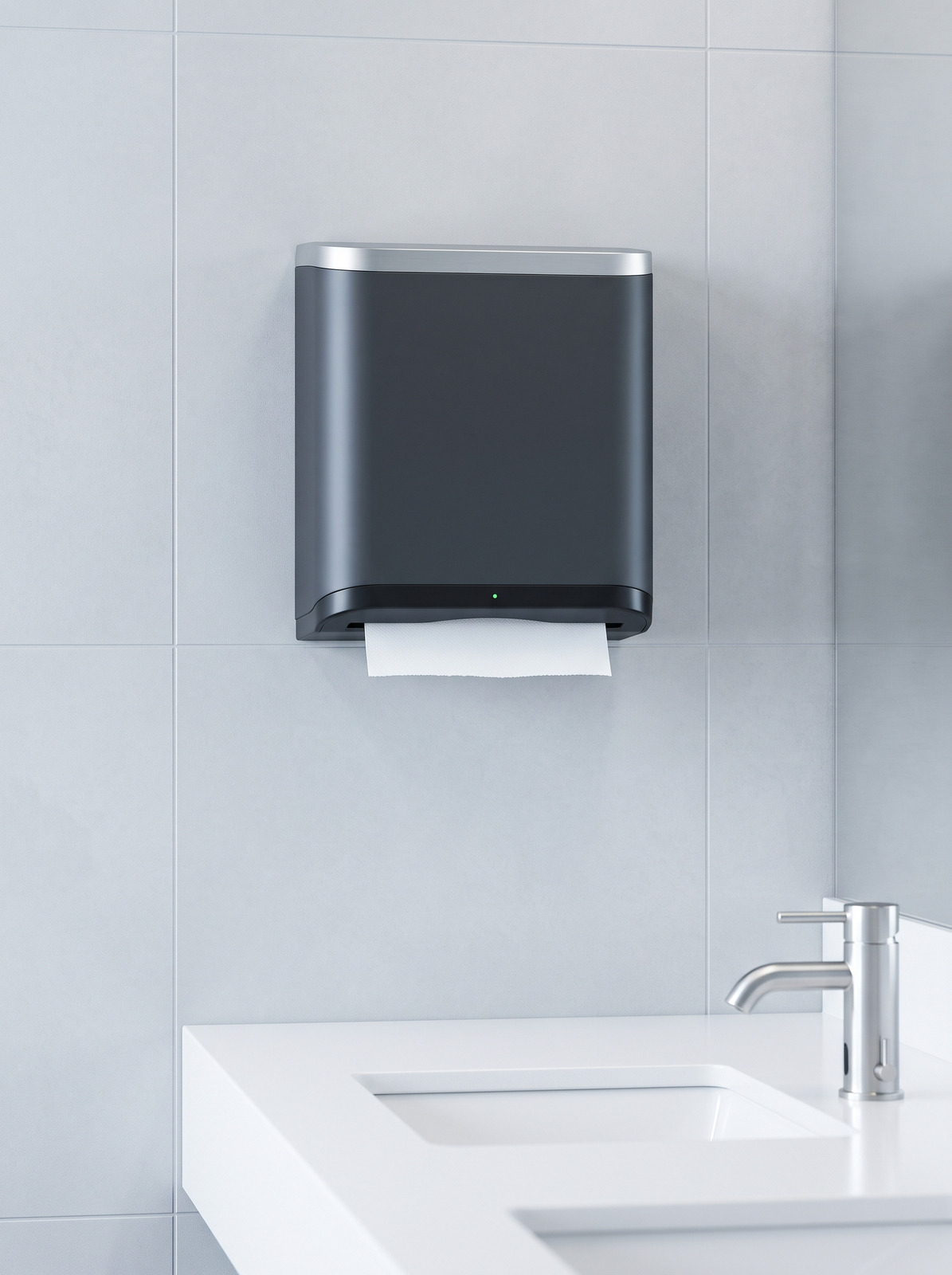
Automatic Paper-Towel Dispensers
DC Roll Feed · Optical Encoders · Split Boards
Automatic Paper-Towel Dispensers
Build-to-print single-face or split main and proximity sensor boards for roll-towel mechanisms and cassettes, with approved customer firmware loading, simulated encoder pulses and dummy-load stall checks.
Water-Mist & Humidifier Boards
Water-Tank Mist · Ultrasonic Piezo · Level Sensing
Water-Mist & Humidifier Boards
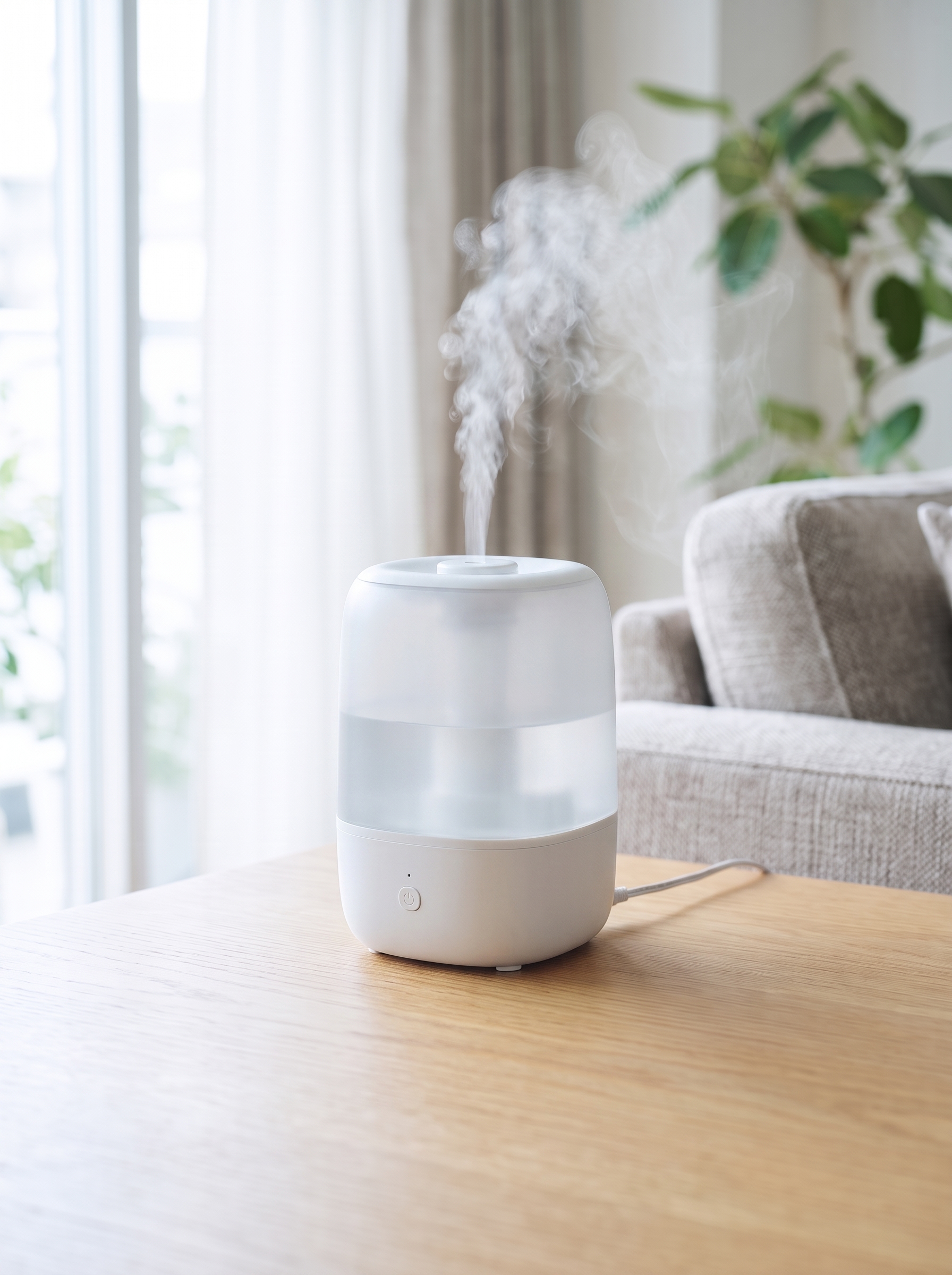
Water-reservoir ultrasonic and mesh humidifiers and water-mist aroma diffusers require dedicated piezo-driver and water-level boards, covered on our separate Humidifier and Aroma Diffuser PCBA page.
Compare Sector Board Families & Boundaries.
Actuator loads, board partitioning and chemical or wireless exposures decide buildability before production starts. Compare the three core dispensing and waterless air-care families alongside water-mist boards handled on our separate humidifier page.
Touchless Soap, Sanitizer & Foam Boards
Waterless Scent & Air-Freshener Boards
Automatic Paper-Towel Dispenser Boards
Water-Tank Humidifier & Mist Diffuser Boards
Four Controls Across Dispensing & Air-Care Builds.
Consistent build-to-print assembly across washroom and air-care electronics hinges on four cross-cutting controls — verifying true mounting faces, aligning optical and mechanical triggers, managing chemical-resistant conformal coating, and separating modular RF, locked memory and dry-bench testing from system qualification.
Single-Sided vs. Opposite-Face & Split-Board Gerber Review
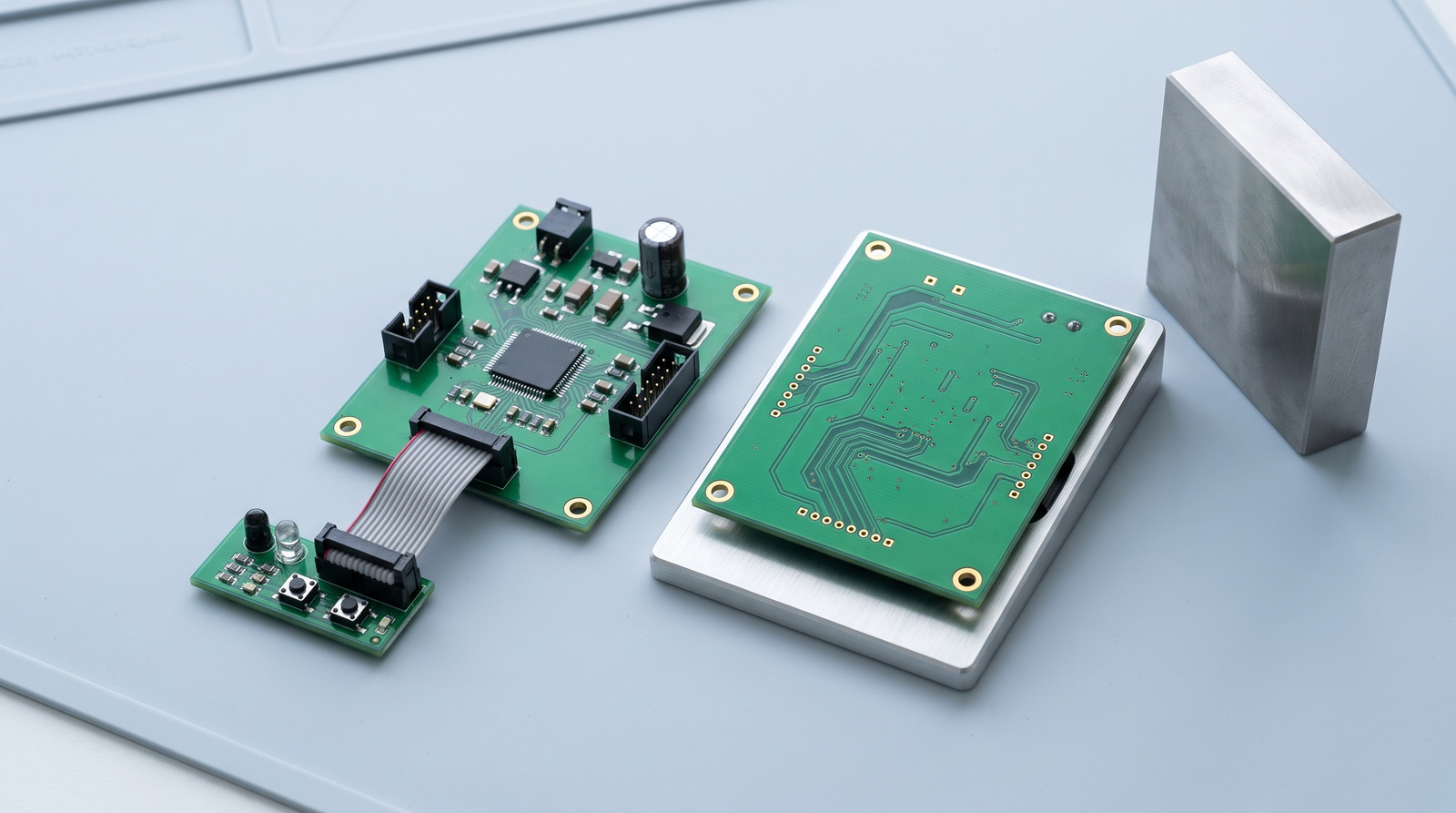
Compact wall-mount, countertop and cylindrical housings often place displays, touch springs, LEDs or downward IR windows opposite inward motors, battery contacts, headers or optical encoders. Because copper-layer count is independent of mounting sides, one SMT reflow face never confirms fit when through-hole parts sit on the back. Harnessed split-board layouts preserve single-face buildability. We review Top and Bottom Gerbers, height drawings and BOM packages before quoting, screening out opposite-face builds and X-ray-dependent BGA or WCSP parts.
Optical Proximity, Interlock & Actuator Alignment
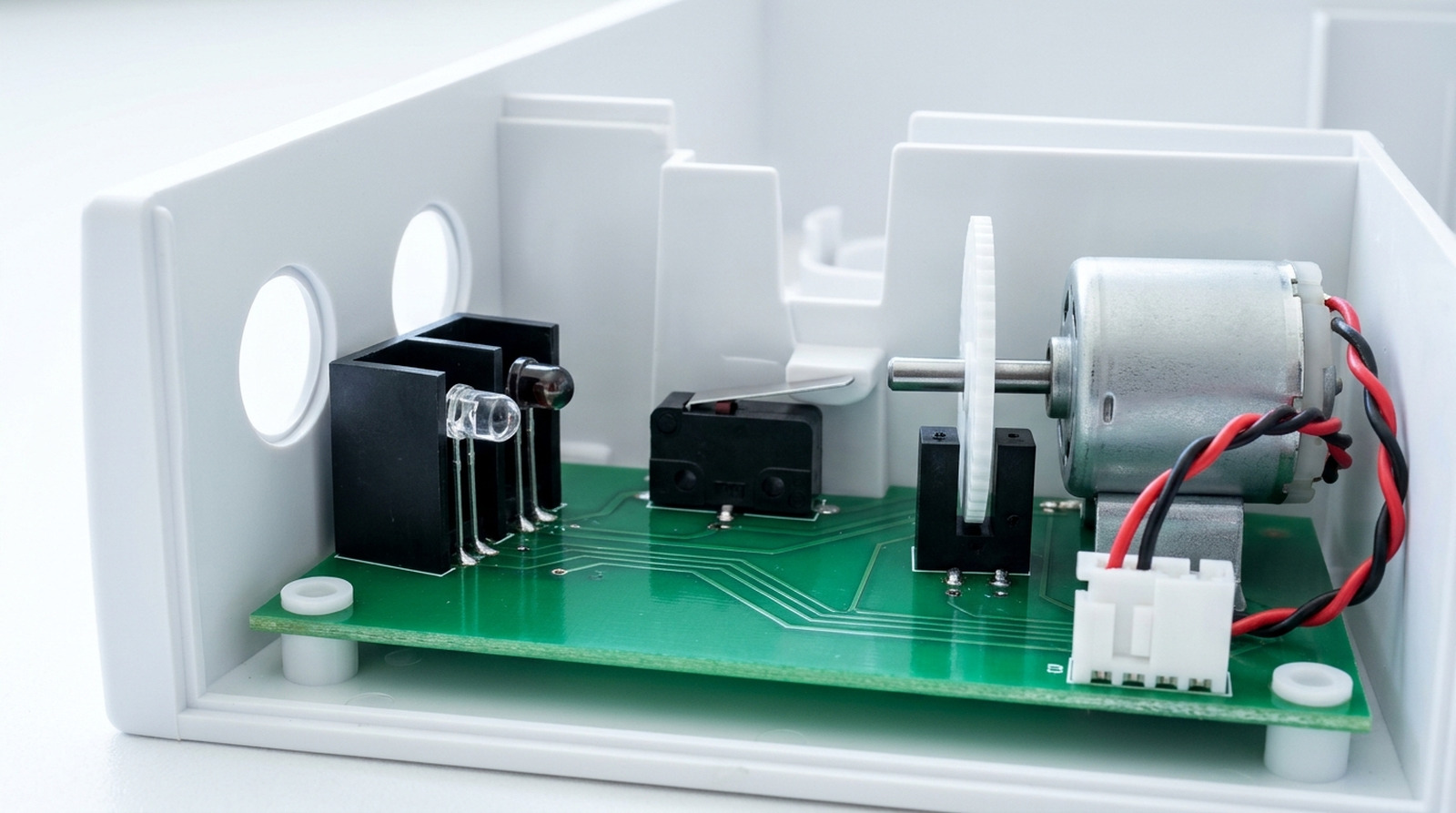
Across soap, scent and paper-towel hardware, false triggers and dispense faults often trace to physical registration between board parts and molded housing features. Assembly controls placement accuracy, IR emitter and photodiode lead height, optical lens seating, ambient photocell alignment, cam or door-interlock microswitch orientation and residue-free optical windows and actuators. Housing light barriers, cover-window crosstalk tuning, capacitive liquid-tolerance shields and Time-of-Flight thermal or optical calibration remain customer engineering responsibilities.
Conformal Coating Chemistry & Keep-Out Masking
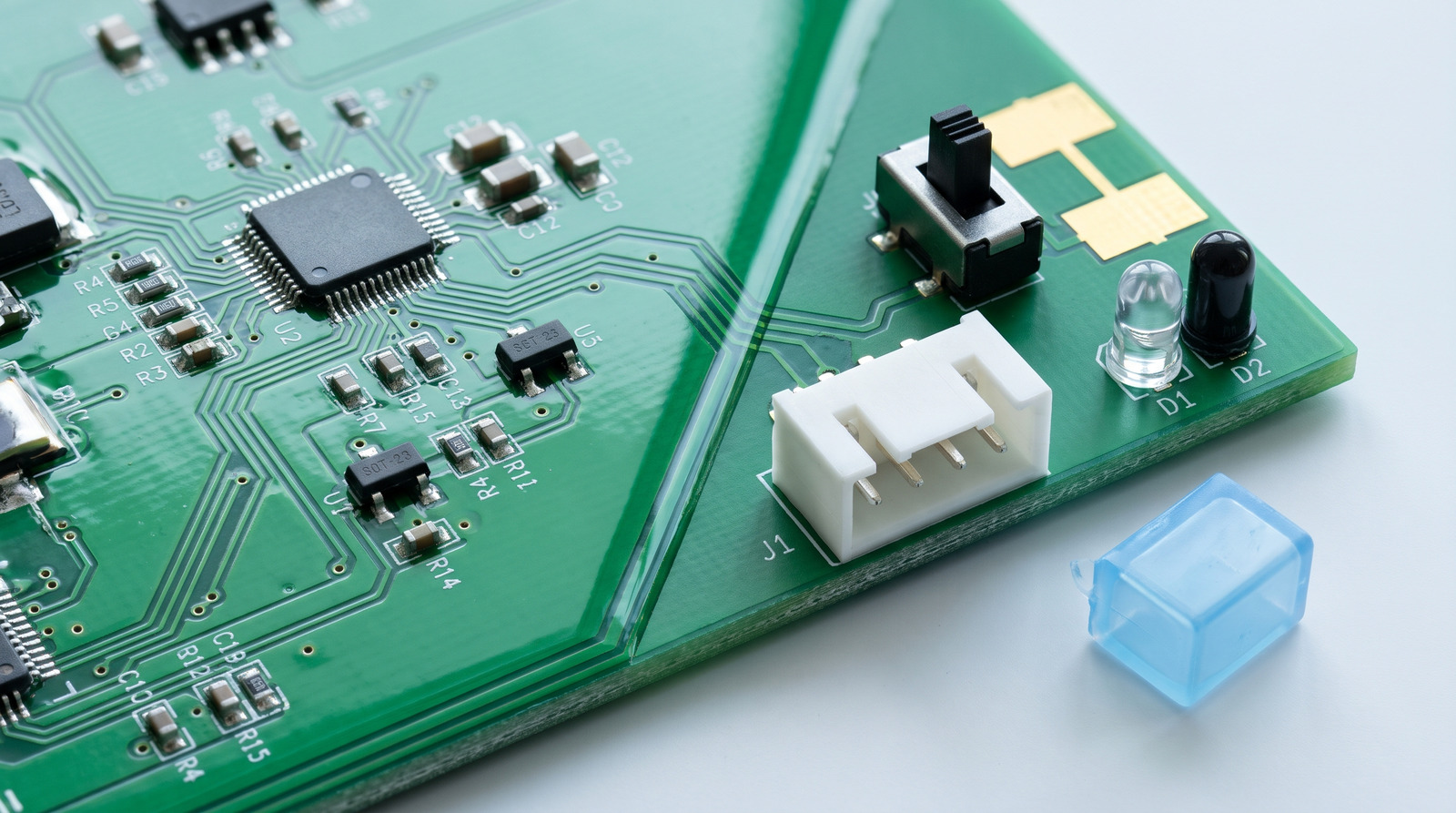
Humidity, essential-oil leaks and isopropyl alcohol (IPA) flushes challenge dispenser coatings. Enclosure ratings under IEC 60529 and historical NEMA 250-2003 (IEC 60529 omits condensation and corrosive vapors, making NEMA-to-IP mapping one-way) differ from thin-film coating and out-of-scope potted IP67/IP68 modules. Under IPC-CC-830 classes, Type AR acrylic shows poor chemical resistance whereas thermoset Type UR polyurethane trades longer cure for chemical durability; the OEM specifies resin and keep-out drawings masking optics, switches, contacts, connectors and vias against overspray and wicking.
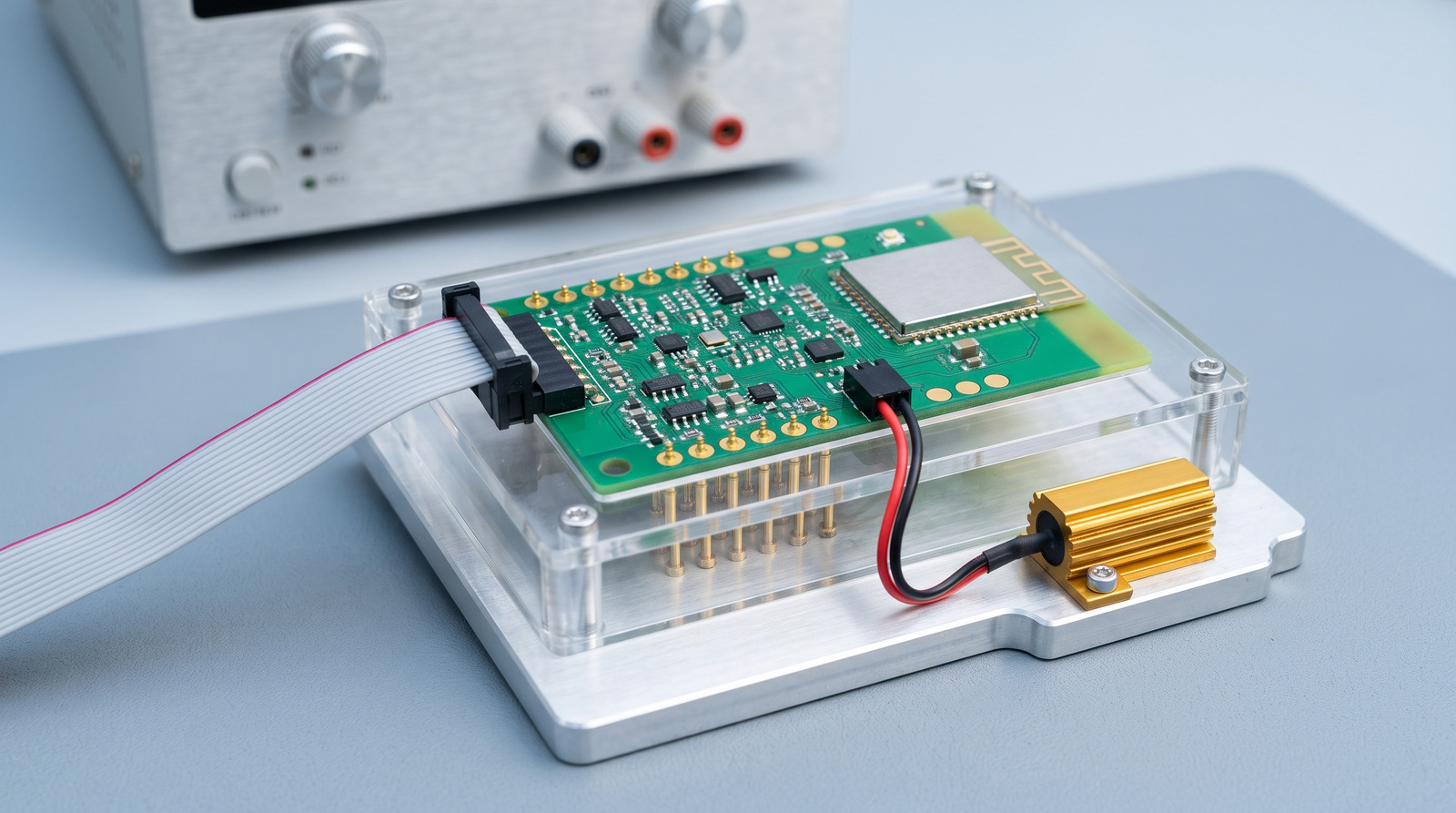
Pre-Certified RF Modules, Locked Memory & Dry-Bench FCT
Under U.S. FCC 47 CFR § 15.101(d)(1)/(e), digital PCBA subassemblies sold to OEMs carry no standalone Part 15 Subpart B unintentional-radiator authorization; the OEM owns finished-system compliance. Separately under Part 15 Subpart C (47 CFR § 15.212), pre-certified single modular transmitters center assembly on BOM fidelity and copper-free antenna keep-outs, while Limited Modular Approvals restrict use to grantee-controlled hosts and host RF exposure and chip-down SoCs stay OEM-owned. Assembly loads checksum-locked Flash, EEPROM or irreversible OTP images with dry-bench FCT.
Common Questions.
Direct answers on mounting-face screening, conformal coating limits, FCC modular wireless ownership, battery power regimes and dry-bench testing across dispensing and air-care boards.
Why do compact soap, scent and paper-towel dispenser PCBs often fail single-sided mounting checks?
Dispenser enclosures often pack front LEDs, displays, touch springs or downward IR windows directly opposite inward motors, battery contacts, headers or optical encoders. Because copper-layer count never defines mounting faces, one SMT reflow side cannot confirm fit when through-hole parts sit on the reverse side. Reviewing Top and Bottom Gerbers early catches opposite-face conflicts, while moving optical or UI parts onto a harnessed split board cleanly preserves single-sided mounting.
Does conformal coating make a dispenser or diffuser board waterproof (IP67/IP68) or resistant to all essential oils?
No. IEC 60529 and historical NEMA 250-2003 rate enclosures — IEC 60529 omits condensation and corrosive vapors, making NEMA-to-IP conversion one-way — not thin-film PCB coating or out-of-scope potted IP67/IP68 assemblies. Under IPC-CC-830 classes, Type AR acrylic has poor chemical resistance against corrosive essential oils and IPA flushes, whereas thermoset Type UR polyurethane trades longer cure cycles for stronger chemical durability. Because oil blends vary, the OEM must specify and qualify the resin and keep-out drawing.
How does a pre-certified BLE or Wi-Fi module change FCC compliance ownership compared with a chip-down RF SoC?
Under U.S. FCC 47 CFR § 15.101(d)(1)/(e), finished-system Part 15 Subpart B unintentional-radiator authorization (SDoC or Certification) for digital subassemblies stays OEM-owned. Separately under Subpart C, a single modular transmitter (47 CFR § 15.212(a)(1)) carries shielding, antenna authorization and FCC ID (plus exterior host labeling when hidden), centering assembly on BOM fidelity and copper-free antenna keep-outs; Limited Modular Approvals (§ 15.212(b)) restrict use to grantee-controlled hosts, while host RF exposure and chip-down SoCs stay OEM-owned.
What changes in testing and compliance when moving from primary alkaline cells to rechargeable lithium-ion packs?
Primary alkaline dispensers (battery-maker and OEM safety under IEC 60086-5) face Ohm’s Law terminal droop (ΔV = I_load × R_internal) as aging or cold cells meet brushed-DC motor inrush spikes, plus mechanical switchover when an external low-voltage DC adapter is fitted. Rechargeable lithium-ion units add battery-maker and OEM portable cell and pack safety (IEC 62133-2) and appliance metal-ion charging under IEC 60335-1 (covering DC and battery appliances, Clause 12) beyond dry board-level rail checks.
How are dispensing and air-care PCBAs tested without soap, fragrance oils, aerosol cans or paper rolls?
Line verification combines AOI, first-article review and a customer-agreed dry-bench electrical functional test (FCT): checking power rails, standby sleep current, adapter switchover, locked Flash, EEPROM or OTP checksums, dry reflective-target, photocell and cover-interlock transitions, simulated optical-encoder pulses and dummy-load motor stall cutoff. Wet soap viscosity or foam priming, aerosol stroke, olfactory coverage, paper-roll tear endurance, IEC 60730-1 automatic-control safety, sensing or anti-jam firmware R&D, mobile apps and molded cassettes remain OEM-owned.
Manufacturing Experience. Direct Cooperation.
Our factory’s experience includes long-term supplier relationships with Fortune Global 500 customers and demanding supplier audits. We apply that manufacturing discipline to dispensing and waterless air-care control boards across sample evaluations, pilot runs and repeat production, with quality checkpoints aligned to the actual board build.
Long-term supplier to Fortune Global 500 customers.
Sustained enterprise supply is part of our manufacturing background. We bring that operational discipline to build-to-print hygiene and air-care control boards, aligning BOM identity, revision control and agreed build options before production starts.
Passed demanding supplier audits and customer reviews.
Our factory has passed demanding supplier audits. That background supports direct engineering discussion around mounting-face verification, coating keep-out drawings, memory-programming checksums and acceptance criteria relevant to your dispenser assembly.
First-article, الهيئة العربية للتصنيع, and board checks.
First-article review, AOI and agreed dry-bench electrical or functional checks examine distinct aspects of the finished board. Clear Top and Bottom Gerbers, coating drawings and locked firmware references keep repeat dispenser runs consistent.
Long-term relationships.
Global brands.




Start with
what you have.
Tell us about your dispensing or waterless air-care control board. A draft BOM, Top and Bottom Gerbers, schematic or reference sample is enough to start a practical fit review — share the files available now, intended quantities and any conformal coating, programming or wireless-module details.
Developing a new dispenser or air-care board?
Check single-sided mounting or split-board fit, optical and switch alignment, coating keep-outs and dry-bench checks early before production files freeze.
Planning a repeat build or transfer?
Share your released Top and Bottom Gerbers, approved BOM, coating chemistry drawing, locked firmware or OTP checksum and dry-FCT plan to align repeat batches cleanly.
 Arabic
 English
 German
 French
 Spanish
 Portuguese (Portugal)
 Korean
 Indonesian
 Chinese
 Russian
 Italian
 Dutch
 Polish
 Hindi
 Thai
 Portuguese (Brazil)