

IC Programming &
Firmware Loading.
Your approved firmware, loaded and checked as part of your PCB assembly order. Bring the hardware and its intended release together, with programming checks matched to the device and build.
Your Hardware.
The Right Release.
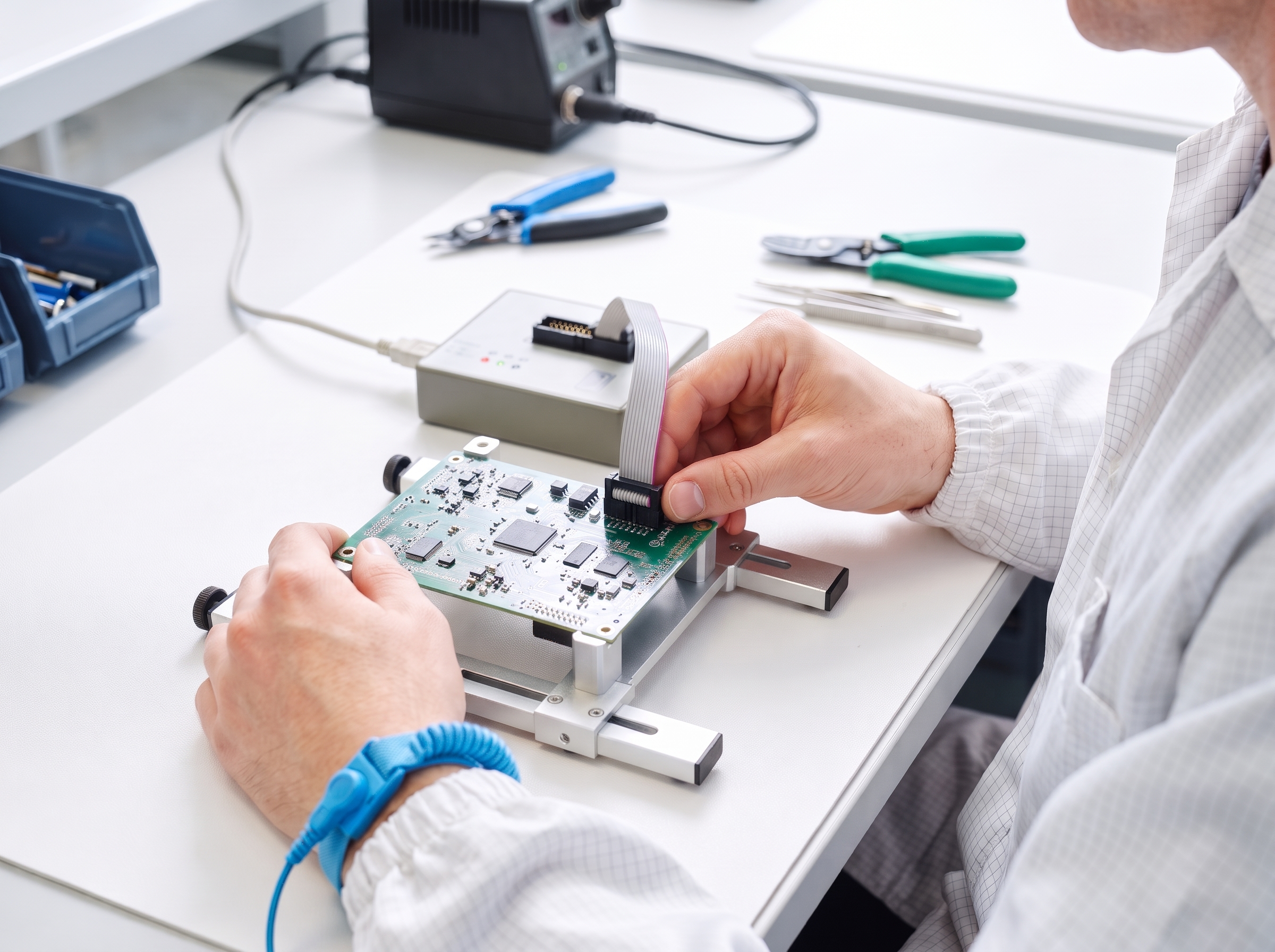
IC programming puts your released firmware and configuration into the target device. We provide customer-approved firmware loading and MCU flashing alongside SMT, through-hole and mixed PCB assembly, so the assembled hardware and its intended software are prepared within one order.
Bring an existing design, a sample board or an early schematic. We can review the loading approach while your team completes the release; the files, setup and acceptance checks are agreed before programming begins. Your team retains responsibility for firmware development and finished-product qualification.
Align the Release With Your Build.
Whether you are preparing a first board or transferring a repeat release, programming belongs in the build plan. Start from the project stage that matches your work.
Existing Design & Approved Firmware
Existing Design & Approved Firmware
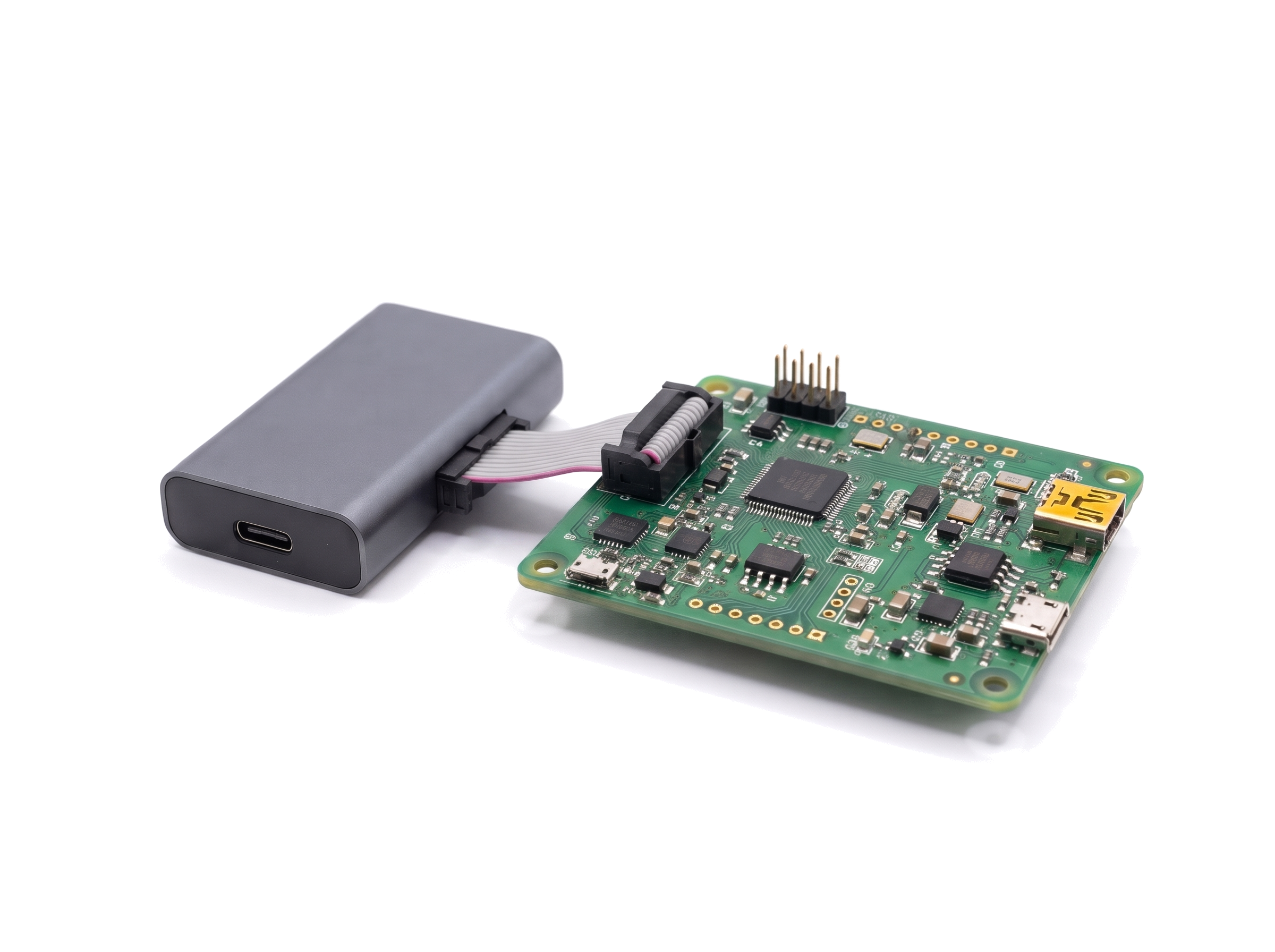
Bring the board you need assembled and the firmware your team has approved for it. Our contribution is loading that release within the assembly order, with the associated configuration and checks agreed for the device. An existing design can move into a manufacturing discussion without becoming a new firmware-development project.
Samples & First Builds
Samples & First Builds
A sample build helps bring the hardware and released firmware together before you plan a repeat order. Discuss how programming fits into assembly and which startup or I/O observations would be useful. Your team can use that feedback to decide whether the design or release needs another revision.
Repeat Orders & Release Changes
Repeat Orders & Release Changes
Repeat builds need a clear relationship between the hardware revision, approved release and configuration. If you transfer an order or update the firmware, identify what changed so the affected setup and checks can be reviewed. A software revision may change loading requirements without changing the board’s physical connection.
Early Review Before Release
Early Review Before Release
A part number, schematic, pinout or draft build can start the conversation while your design is still taking shape. Early review can reveal access or electrical questions before the board is committed. The production files, configuration and acceptance criteria are finalized before programming begins.
Compare the Programming Routes.
Packaged IC programming takes place before mounting; in-system programming reaches the device on the assembled board. A supported bootloader offers another on-board loading route, and every option starts from a locked release package.
Packaged IC Programming
Device on Assembled Board
Device-Supported Loading
Image, Configuration & Verification
Four Controls Behind Consistent Loading.
Reliable loading starts with a connection the device can use, the right electrical conditions, a complete release definition and a check that answers the intended question. These controls shape the programming setup for your board.
Device & Connection Fit
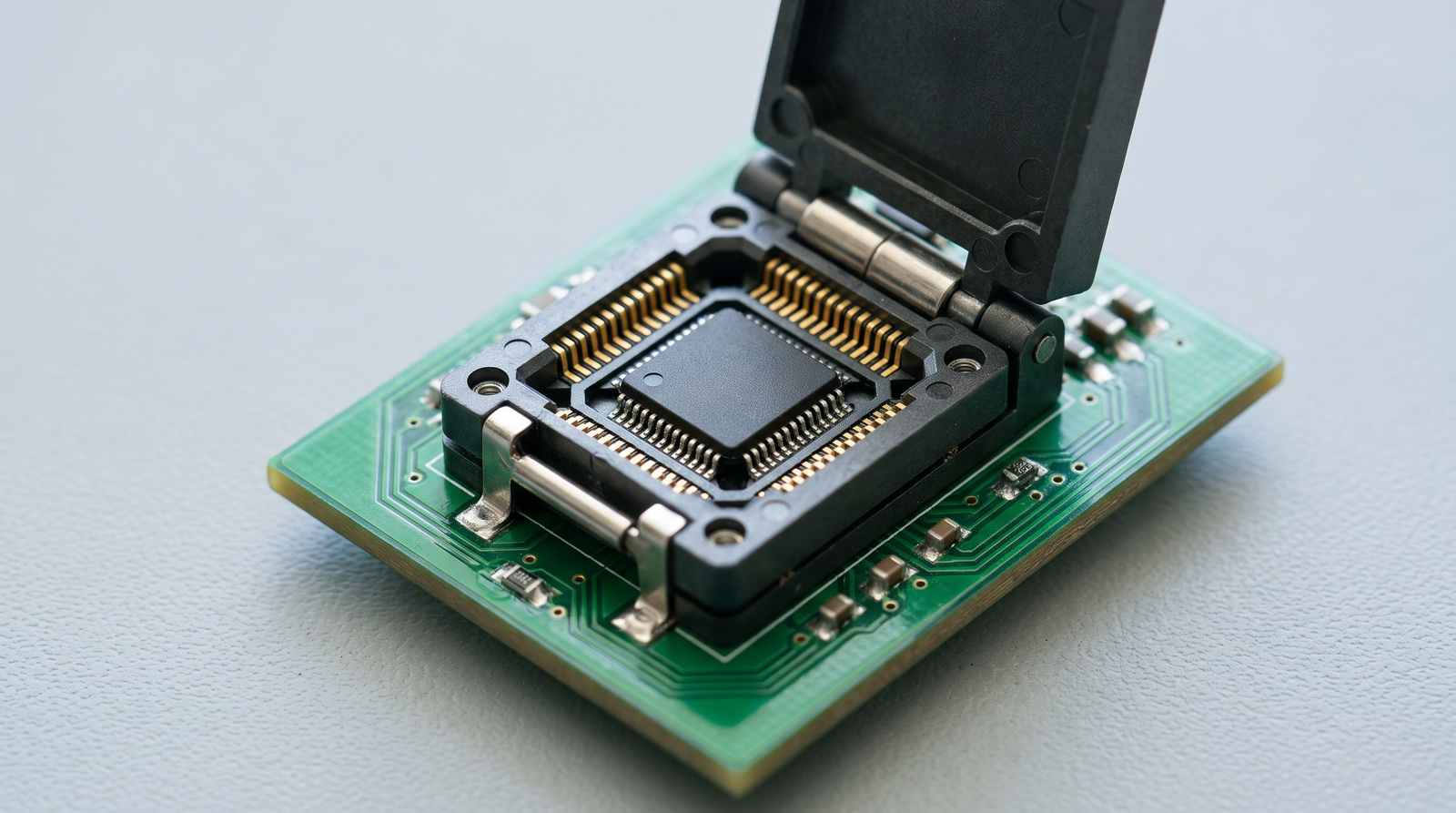
The exact part number and package link the target to its programming algorithm and physical contacts. We review the pin mapping, common return and reset or boot-entry controls against the proposed tool connection. Socket contact on a loose IC and access around components on a populated board present different fit questions.
Power, Reference & Shared Signals
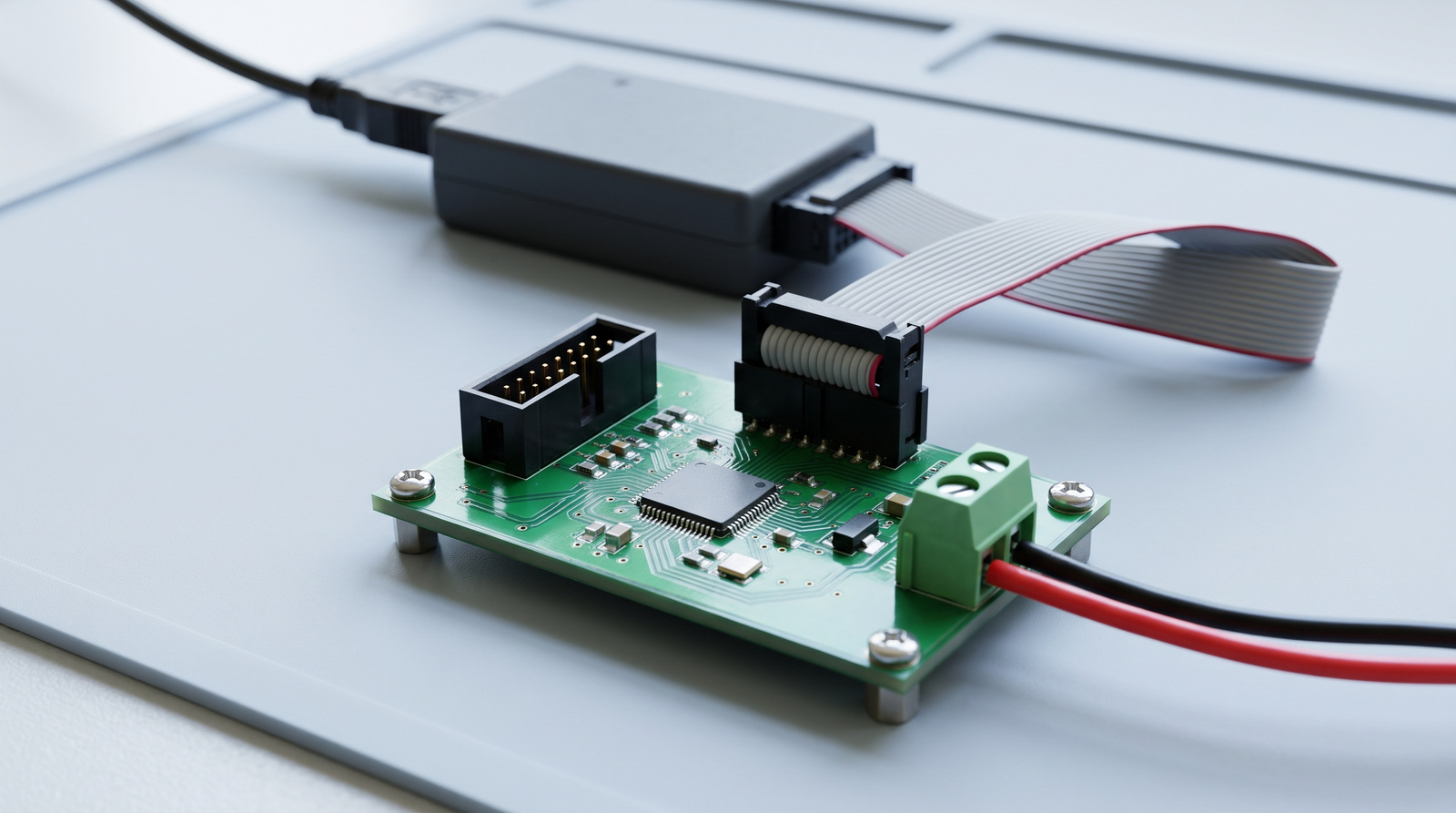
The target supply powers the device or board; a programmer’s logic-level reference establishes the signal-voltage domain. A reference input does not replace a power source. On populated boards, surrounding components can load shared programming pins or hold them in conflicting states. Reviewing the circuit and contact clearance helps resolve access problems before loading.
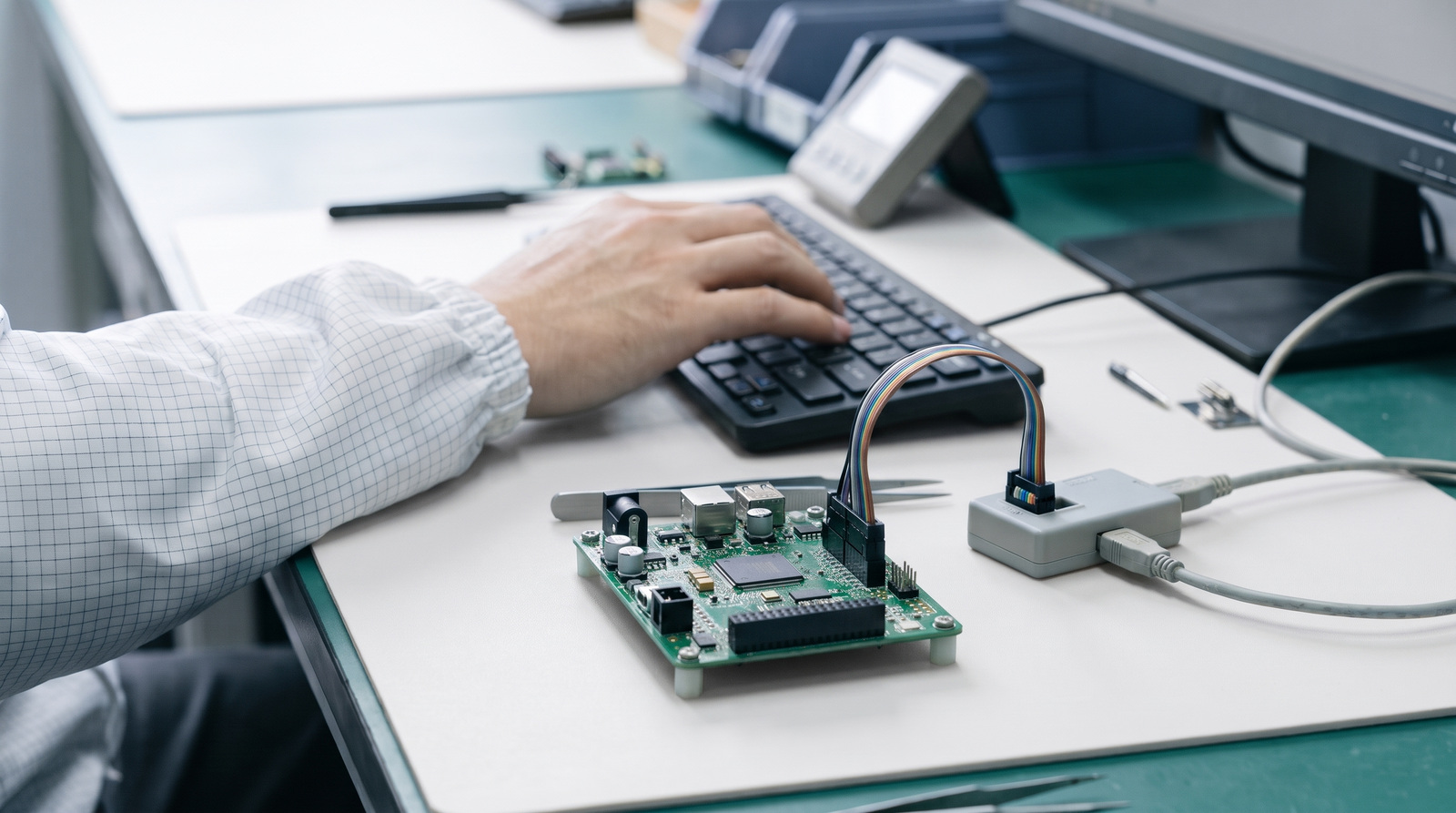
Files, Memory & Configuration
A raw binary needs a destination address; Intel HEX includes address records. File byte addresses can differ from the device’s native address units. Define the application, bootloader, configuration and erase regions together, including data to retain. A matching HEX record checksum addresses record integrity; it does not identify the approved release or confirm a target write.
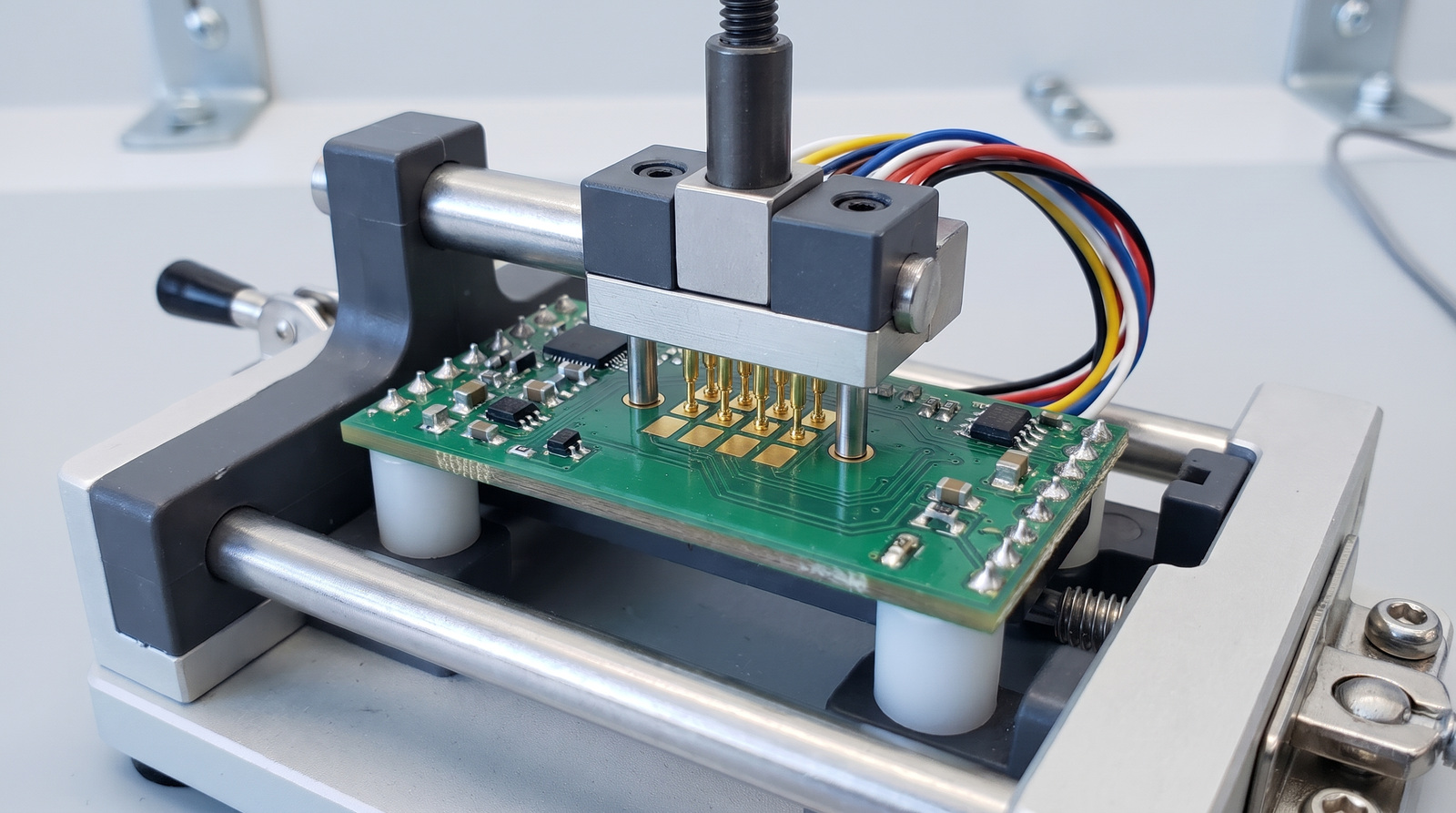
Verification & Target Access
Selecting the approved release, recognizing a target where supported and completing a write are separate steps. Read-back compares retrieved memory with intended data; CRC compares check values over a defined region. Protection and excluded regions can limit coverage, so agree the method and accessible content. Startup or I/O behavior needs its own operating check.
Firmware Loading for Your Product Electronics.
Customer firmware turns board hardware into the intended modes, readouts and input responses. These examples show how loading the approved release connects with specific checks agreed for the assembly order.

Lighting & Mode Control
MCU Firmware · Lighting Modes
Lighting & Mode Control
We load approved MCU firmware for light modes and intensity control, with agreed output checks. A programmable controller’s application image is distinct from LED-driver register settings.
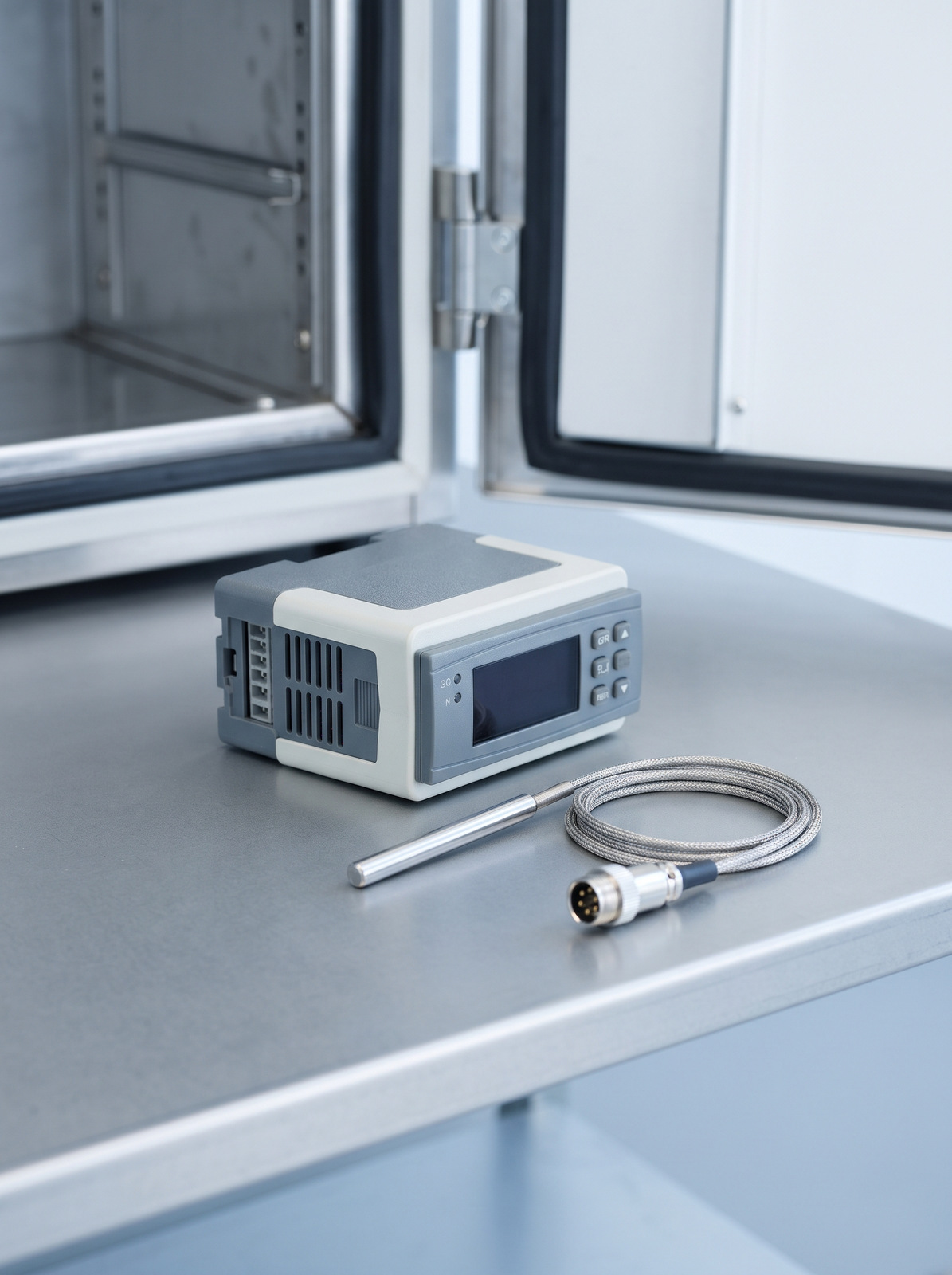
Sensor Host Boards
Acquisition · Readout · Control
Sensor Host Boards
Host firmware connects sensor acquisition with display or control outputs. We load the approved release and agree readout checks; physical sensor accuracy and calibration need separate evaluation.
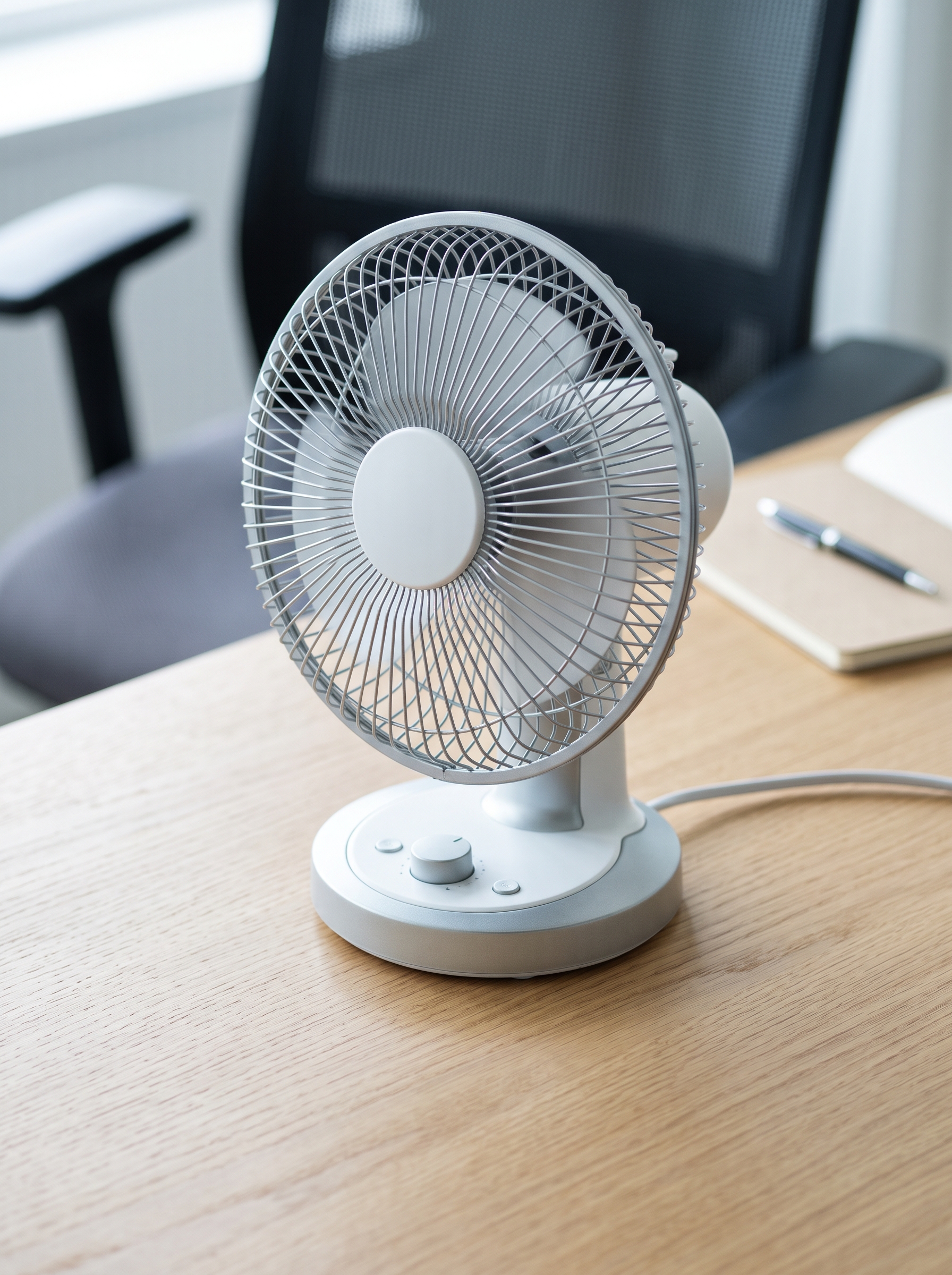
Appliance & UI Control
Inputs · Outputs · Status
Appliance & UI Control
Customer firmware maps buttons and switches to outputs and status indicators. We load the approved program and agree I/O checks; appliance safety evaluation remains a separate responsibility.
From First Discussion to an Agreed Build.
A programming requirement becomes part of the assembly plan through a clear exchange between your team and ours. Resolve open questions before execution, then carry the agreed release through the build.
Discuss the Project
Share the information available now and what the board needs to do. Together, identify the loading questions that affect assembly and the next decisions.
Agree the Build
Your team approves the production release. We confirm the programming approach, responsibilities and acceptance checks before work proceeds; sample feedback can inform later builds.
Assemble & Program
Assembly and customer firmware loading follow the agreed sequence, keeping the intended board revision and release together through the work.
Check & Hand Over
Complete the agreed programming and assembly checks before shipment. Review any issue against the build requirements and confirm changes needed for a subsequent order.
Common Questions.
Answers to common decisions about first-time loading, production images, retained data and interrupted programming.
Does first-time loading require JTAG or SWD?
No. Some microcontrollers contain a factory-programmed bootloader that can receive the initial application through a documented interface; others use a dedicated programming or debug connection. The exact part, device revision and access state determine the options. A familiar interface name is a starting point for review, rather than confirmation that a target is supported.
Who prepares the application and bootloader image?
Your team supplies and approves the production firmware. If the application, bootloader and configuration share a device, provide an approved combined image or a defined sequence of files with their destinations and settings. Creating or merging a release is part of release engineering; it is not automatically included in firmware loading.
Can existing device data be kept during an update?
Preservation depends on the device’s memory organization, erase behavior and chosen loading method. Identify the data and regions that must remain before agreeing the update. A new application file alone does not define what happens to existing configuration or stored data, so preservation must be assessed for the actual target and release.
What happens if programming is interrupted?
An interrupted write needs assessment before the next action is agreed. The target’s resulting state, available access and protection settings determine whether loading can be repeated. Erase behavior and any data to retain must also be considered; a mass erase is not a general remedy for an interrupted operation.
Manufacturing Experience. Direct Cooperation.
Our factory’s experience includes long-term supplier relationships with Fortune Global 500 customers and demanding supplier audits. We bring that manufacturing background to sample builds, small batches and repeat orders, with quality expectations established around the electronics your product needs.
Long-term supplier to Fortune Global 500 customers.
Sustained enterprise supply is part of our manufacturing experience. We apply that experience to the coordination of your assembly order, with material responsibilities and build requirements agreed for the project.
Passed demanding supplier audits and customer reviews.
Our factory has passed demanding supplier audits. That experience supports direct discussion of the quality expectations, documentation and acceptance requirements relevant to your assembly.
First-article, AOI, and board checks.
First-article review, AOI and agreed electrical or functional checks examine different aspects of the assembly. For a programmed board, these work alongside the defined firmware-content check and any selected operating observations.
Long-term relationships.
Global brands.




Start with
what you have.
Tell us about your IC programming and PCB assembly project. A device part number, schematic or sample board is enough to start a useful discussion; share the files available now, intended quantity and the question you want to resolve.
Starting a new build?
Discuss the loading approach early, while the board and production release are still being prepared.
Planning a repeat order?
Identify the established release and any changes so we can review what the next build needs.
 Chinese
 English
 German
 Arabic
 French
 Spanish
 Portuguese (Portugal)
 Korean
 Indonesian
 Russian
 Italian
 Dutch
 Polish
 Hindi
 Thai
 Portuguese (Brazil)