

LED & Lighting
Electronics PCBA.
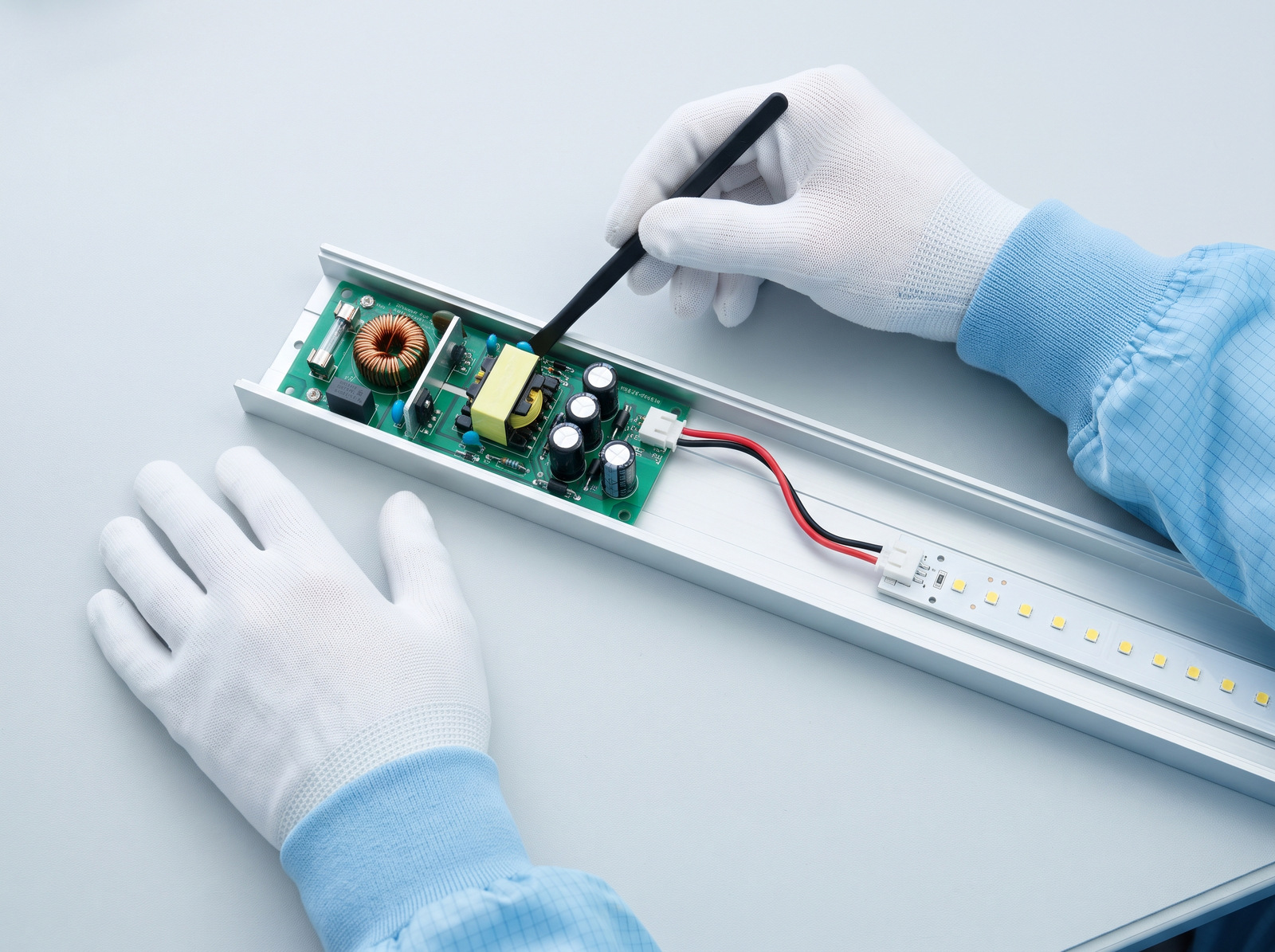
Single-sided FR-4 and aluminum-core PCB assembly across LED emitter modules, constant-current drivers, PIR lighting controls and portable illumination. Coordinate thermal paths, optical handling and repeat-lot consistency from samples through small-batch production.
One Lighting Market.
Distinct Board Realities.
Modern LED lighting rarely lives on one generic board. Commercial and architectural fixtures commonly split into separate aluminum-core emitter arrays, FR-4 constant-current drivers and PIR or switch control boards, while portable and work lights combine emitters, charging and tactile controls onto compact assemblies.
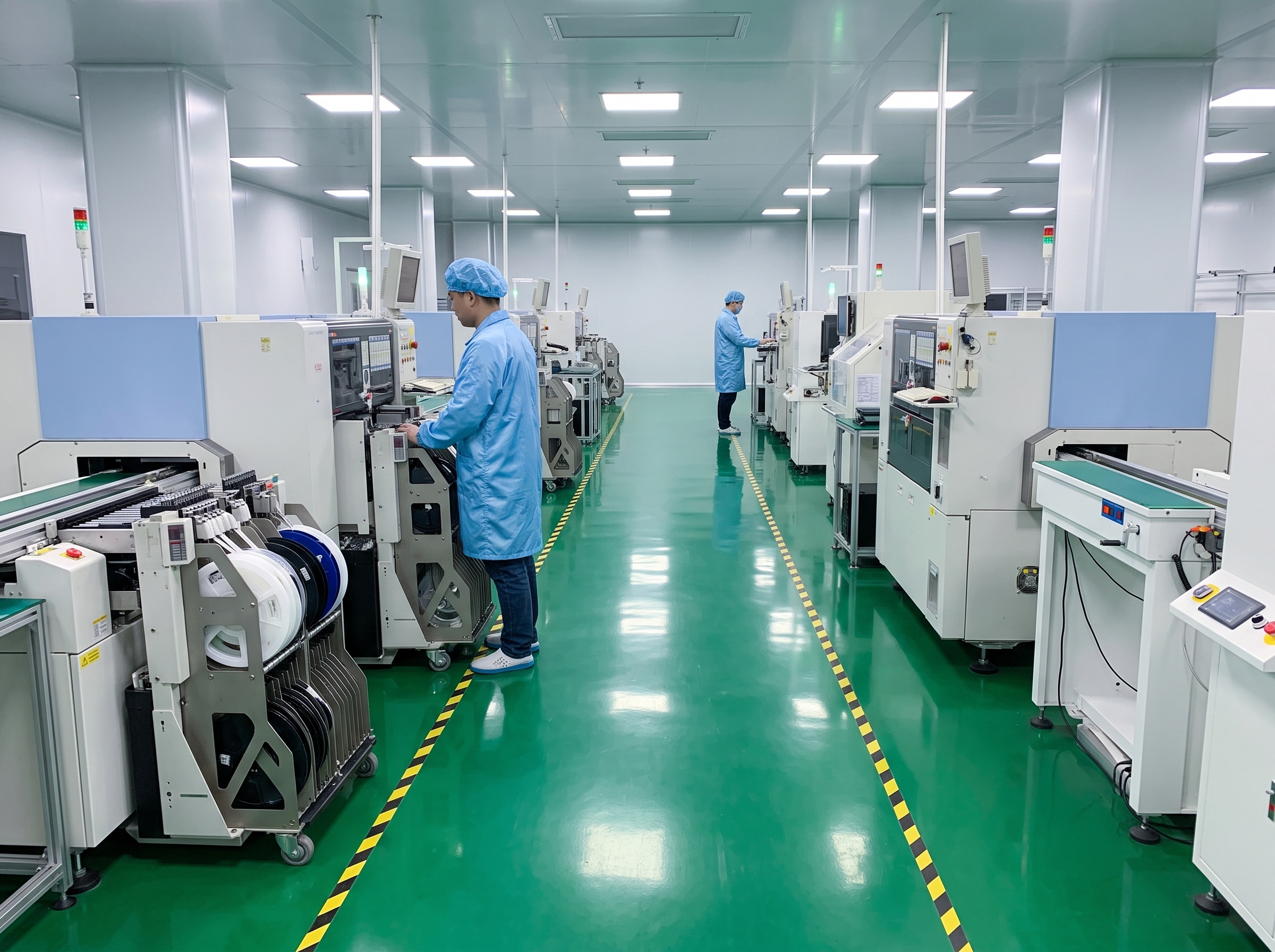
Our scope covers ordinary SMT, through-hole and mixed assembly on FR-4 and aluminum-core boards with single-sided component mounting, lead-free reflow, AOI, first-article review, approved customer firmware loading, job-reviewed conformal coating and agreed electrical checks. Potted outdoor drivers, X-ray-dependent hidden-pad packages, photometric labs and luminaire certifications stay separate from board assembly.
Long-term relationships.
Global brands.



Lighting Board Families We Assemble.
Four core lighting electronics segments that fit ordinary single-sided FR-4 and aluminum-core assembly. Each family connects cleanly to dedicated sub-product builds once your files and BOM are ready.
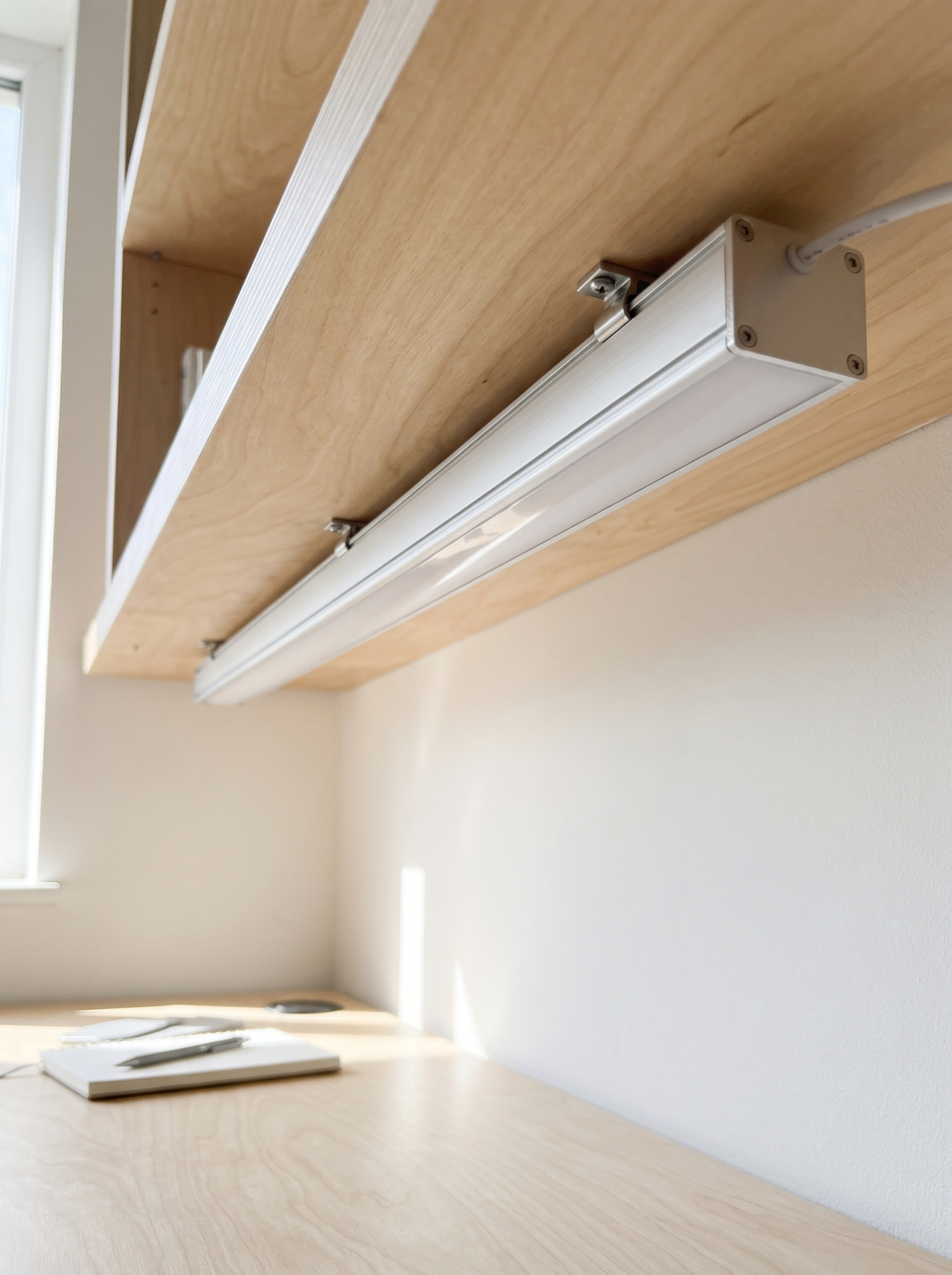
Linear & Architectural LED Modules
Aluminum MCPCB · FR-4 Arrays · Modular Engines
Linear & Architectural LED Modules
Single-sided emitter strips, square light engines and modular commercial retrofit boards built with careful optical-surface handling, reel-lot tracking and controlled mechanical depaneling.
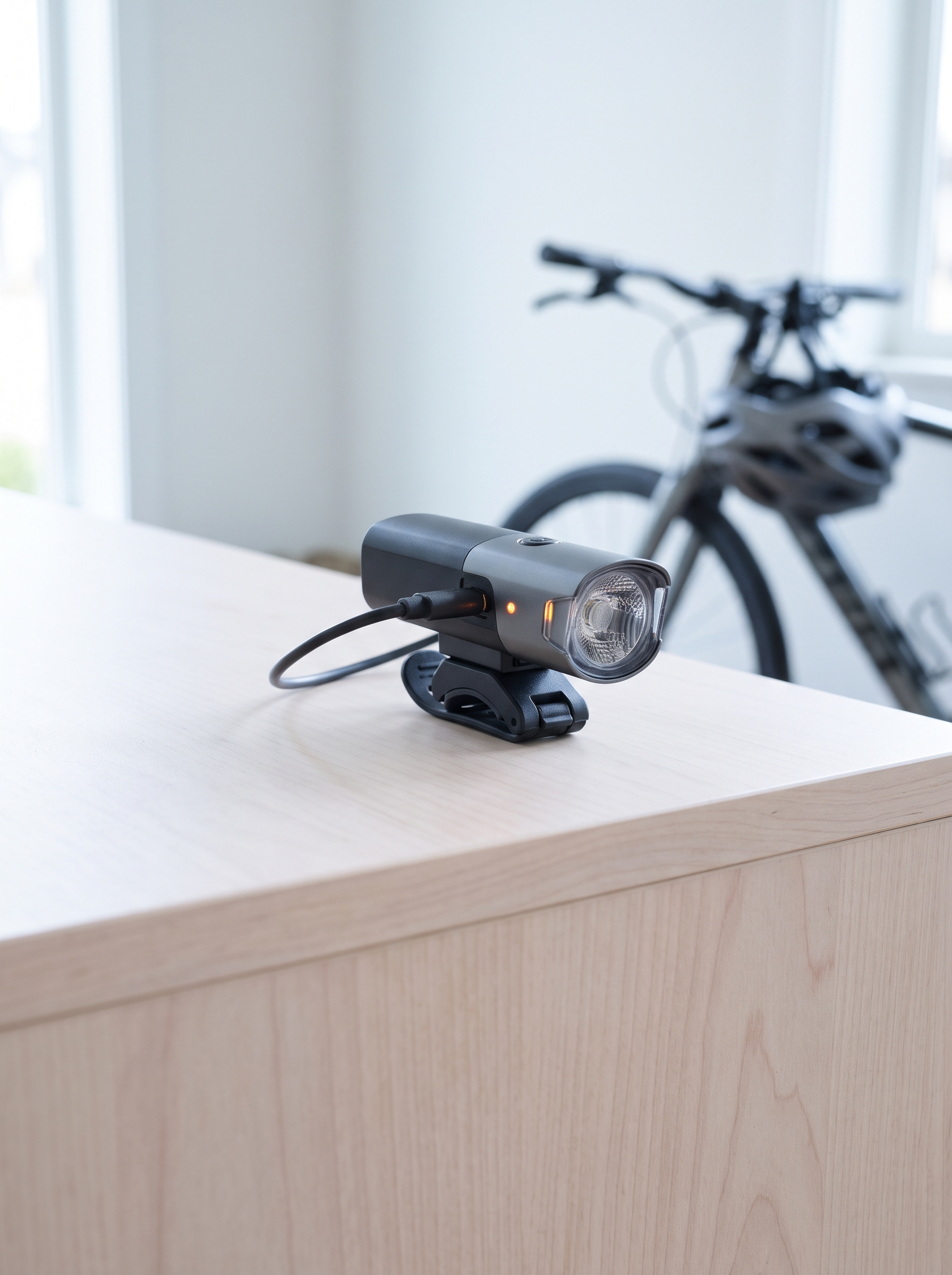
Portable & Outdoor Light Electronics
Bicycle Lights · Headlamps · Camping Lanterns
Portable & Outdoor Light Electronics
Compact single-sided driver, emitter and battery-charging boards where tactile switch alignment, charging ports, battery contacts and approved mode firmware keep housings consistent.
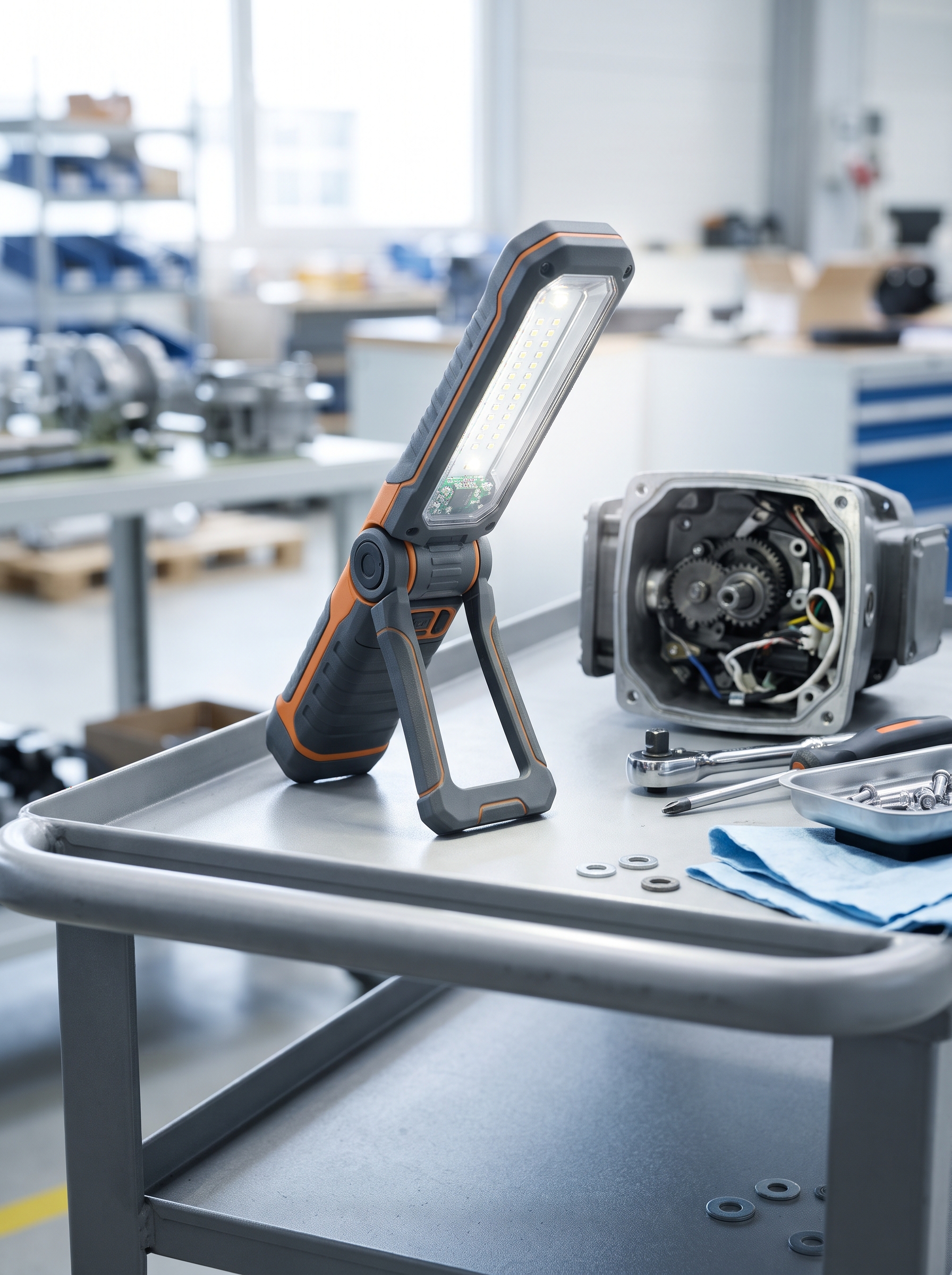
Work, Inspection & Warning Lights
Inspection Wands · Area Lamps · Signal Beacons
Work, Inspection & Warning Lights
Narrow emitter bars, flood work lamps and pulsed warning beacons requiring rigid depaneling support, clear polarity checks and agreed electrical mode verification across repeat lots.
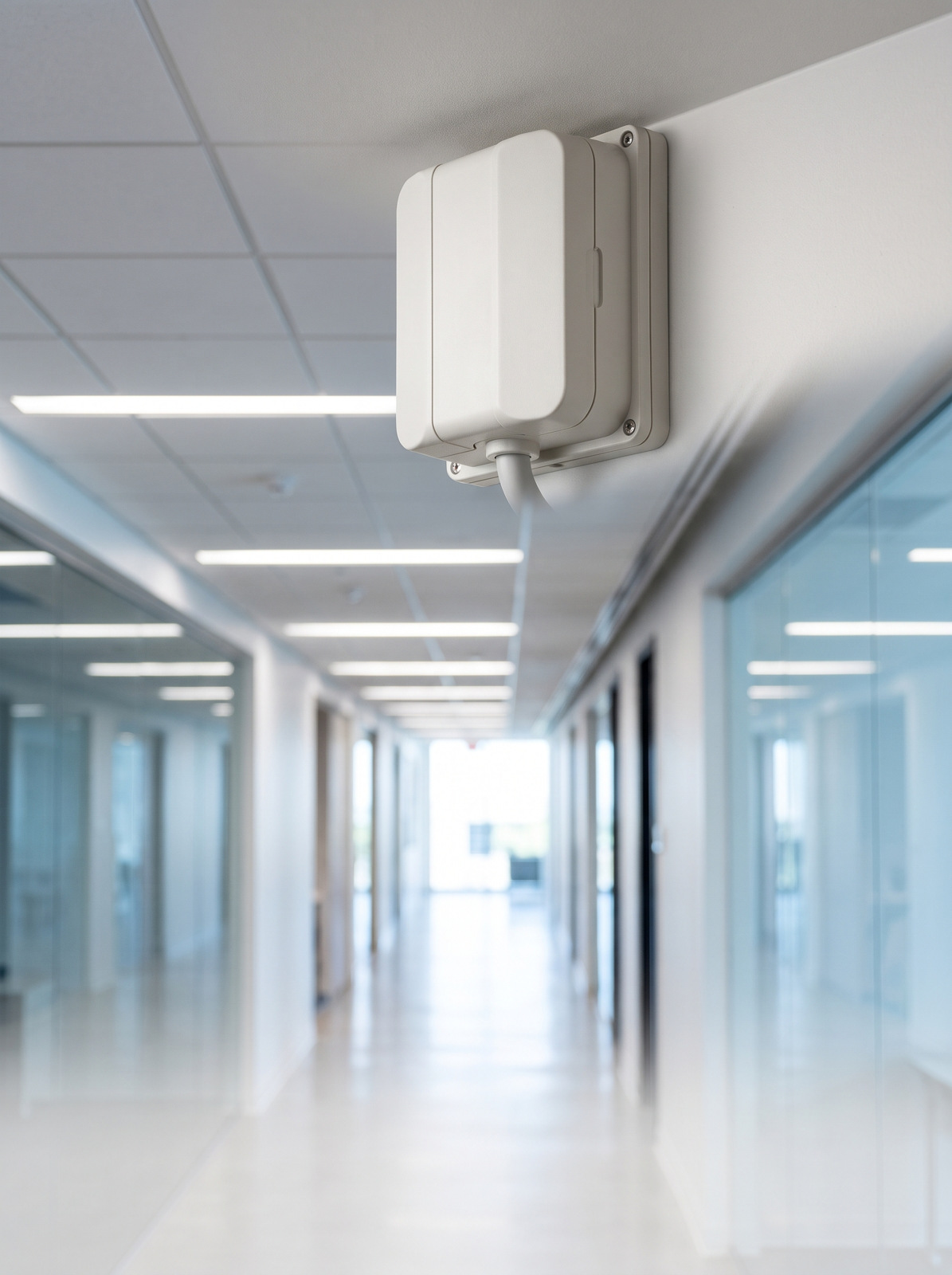
PIR, Occupancy & Fixture Controls
Motion Switches · Wall Dimmers · Radar Host Boards
PIR, Occupancy & Fixture Controls
Single-sided mixed SMT and through-hole PIR switches, fixture dimmers and sensor host boards screened on both faces to keep double-sided RF boards cleanly separated from ordinary builds.
Lighting Board Families & Qualification Boundaries.
Four lighting board families across substrate choice, thermal or optical manufacturing care and where factory board checks stop relative to laboratory photometry and luminaire listings.
LED Emitter & Linear/Array Boards
Constant-Current & Dimming Drivers
PIR, Switch & Lighting-Control Boards
Integrated Portable & Task Light Boards
Applicable documentation, quality records and compliance scope are confirmed per project; luminaire photometry and safety listings (IES LM-79/LM-80, IEC 62031, UL, DLC, CE) remain customer-owned.
 ايزو 9001
 IPC-A-610
 البيئة والتنمية المستدامة
 بنفايات
 UL 94
Common Questions.
Practical answers on substrates, LED optical handling, multi-board lighting builds and where board-level checks stop relative to accredited photometric and safety testing.
Should our lighting board use aluminum-core MCPCB or FR-4, and can you assemble both?
Both substrates are standard across LED lighting. Aluminum-core MCPCBs are typically chosen when heat must conduct efficiently from emitter pads through a thin dielectric into a metal heatsink, while FR-4 with copper spreading and thermal vias commonly suits lower-dissipation emitter boards, constant-current drivers and PIR or switch controls. Both fit our assembly scope when component mounting sits on a single face and the BOM and stackup are reviewed.
How do you protect LED lenses and batch-to-batch color consistency?
Silicone-encapsulated LEDs require perimeter-only pick-and-place nozzles, JEDEC J-STD-020 moisture floor-life control, no ultrasonic cleaning, mechanical depaneling and VOC-compatible masking if conformal coating is requested. Batch consistency starts with purchasing or receiving your exact LED order code and approved flux, chromaticity and forward-voltage bin reels, paired with incoming reel tracking, polarity checks and AOI.
Can one assembler build our emitter board, driver board and PIR control board together?
Yes, when each board fits single-sided SMT, through-hole or mixed assembly on FR-4 or aluminum-core substrates. Splitting a fixture into separate emitter, driver and control boards is standard across commercial and linear lighting. Before quoting, we review each board’s BOM, both assembly faces (screening for opposite-face THT parts or double-sided RF boards) and any approved firmware files, while keeping X-ray-dependent packages and potted drivers out of scope.
What testing happens on the PCBA line versus at a lighting certification lab?
On the assembly floor we perform AOI on visible solder joints, first-article review, approved customer firmware loading and agreed ordinary electrical checks such as supply current, channel switching or dimming signal response. Complete-luminaire photometry (IES LM-79), long-term lumen maintenance (IES LM-80 / TM-21-19), safety certifications (IEC 62031:2026, IEC 61347-2-13:2024, UL, DLC, ENERGY STAR, CE or ENEC) and Zhaga-D4i marks remain customer-owned or accredited third-party lab qualifications.
Start with
what you have.
Tell us about your LED or lighting electronics project. A draft BOM, Gerber set, schematic or reference sample is enough to start a practical fit review — share what is available now, intended quantities and which boards need assembly.
Developing a new luminaire or portable light?
Review single-sided FR-4 or MCPCB fit, LED bin/handling care, mixed THT seating and agreed board checks early before production files are locked.
Transferring a repeat lighting build?
Share the released board revision, approved LED bin range, firmware file and any component updates so we can align repeat-lot preparation cleanly.
 Arabic
 English
 German
 French
 Spanish
 Portuguese (Portugal)
 Korean
 Indonesian
 Chinese
 Russian
 Italian
 Dutch
 Polish
 Hindi
 Thai
 Portuguese (Brazil)