

Component Sourcing &
BOM Support.
Parts purchasing, BOM review and material preparation connected directly to your PCB assembly order. Turn your bill of materials into an agreed material plan for sample builds, small batches and repeat production.
Your BOM.
Ready for the Line.
Component sourcing and BOM support connect your bill of materials with the physical components prepared for assembly. We coordinate electronic component purchasing, BOM review and material readiness alongside SMT, through-hole and mixed PCB assembly, keeping supply decisions tied to one build order.
Start with a draft BOM, an unavailable part or components you already hold. We can review open sourcing questions while your design takes shape; final part numbers, supply responsibilities and order terms are agreed before purchasing begins. Your team retains responsibility for circuit redesign, component qualification and finished-product compliance.
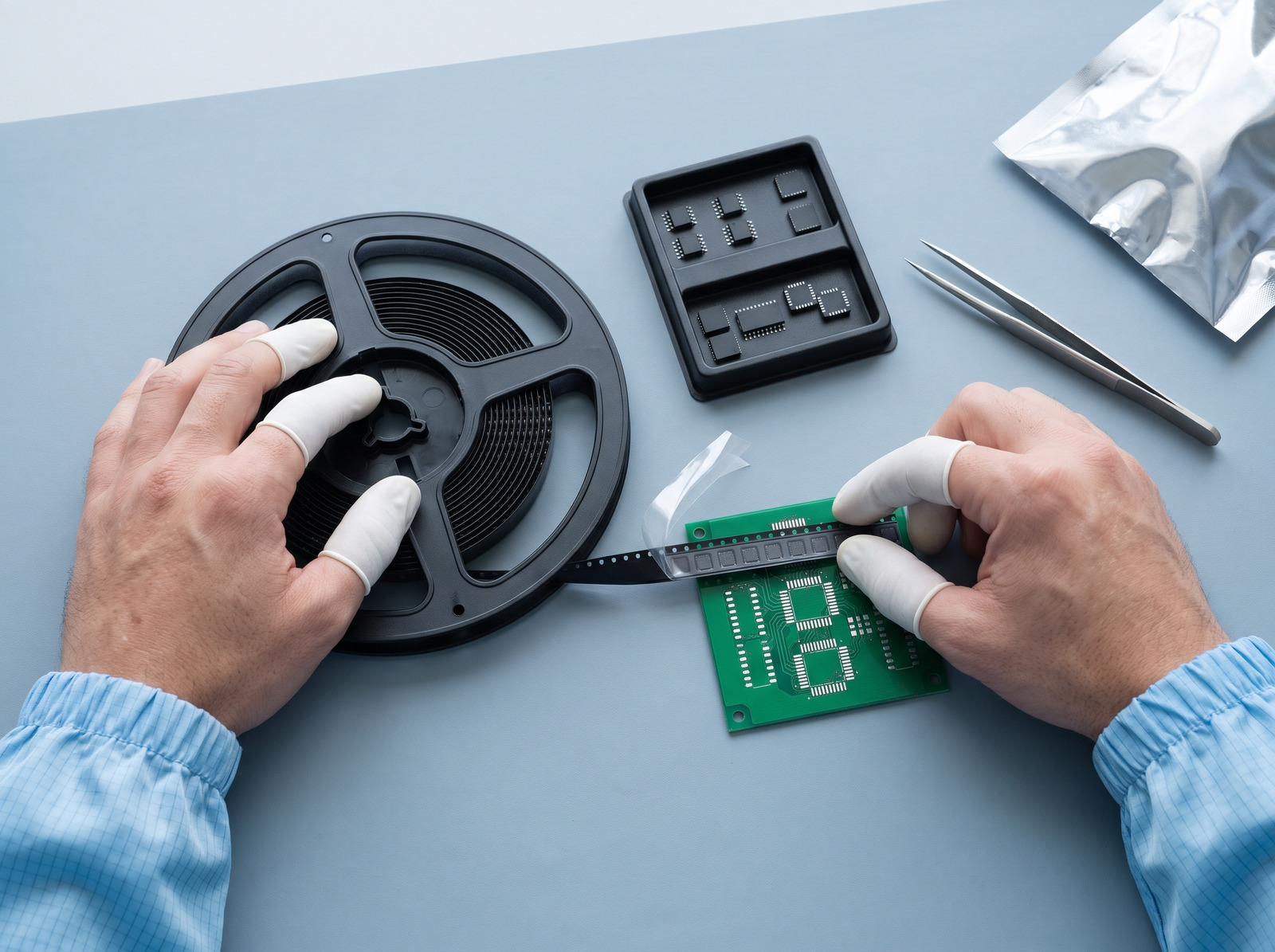
Match Sourcing Support to Your Build.
Whether you are preparing a first BOM, resolving a single-part hold or reordering an established board, supply planning belongs in the build conversation. Start from the stage that matches your project.
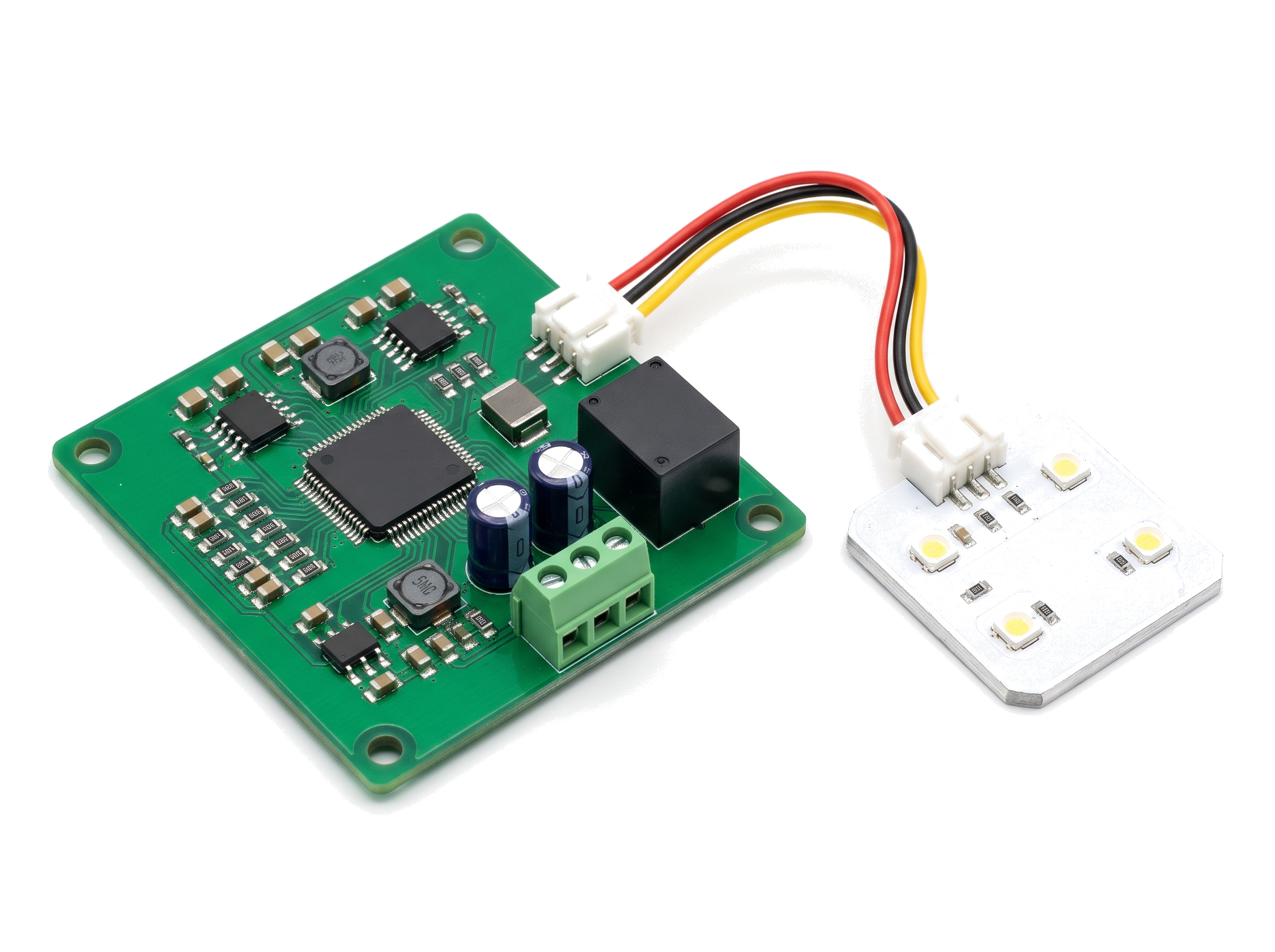
Draft BOM & New Build Planning
Draft BOM & New Build Planning
A preliminary parts list or schematic can start the sourcing review before your design is locked. Early checks catch ambiguous descriptions, incomplete ordering suffixes and placement-file mismatches before they stall purchasing. Final manufacturer part numbers, omission marks and build quantities are confirmed before materials are ordered.
Shortages & Single-Part Holds
Shortages & Single-Part Holds
One unavailable IC, power device or passive can hold up an otherwise ready build. Separating immediate distributor stock from estimated incoming supply clarifies whether the decision is a schedule adjustment or an alternate-part review. Any proposed substitute is checked for technical fit and buyer approval before purchase.
Mixed Supply With Customer-Held Parts
Mixed Supply With Customer-Held Parts
If your team already holds critical ICs, connectors or partial reels, sourcing does not have to be all-or-nothing. Per-line supply responsibilities can be discussed so customer-furnished parts combine with assembler-sourced components for the same build, with quantities, packaging and kitting expectations agreed before order release.
Repeat Orders & BOM Revisions
Repeat Orders & BOM Revisions
An established board still needs a fresh material check before a repeat build. Previously built components may carry new lifecycle labels, product-change notices or discontinuance schedules even while distributor stock remains listed. Reviewing what changed on the BOM or supply side keeps repeat builds consistent.
Four Verification Layers From BOM to Board.
BOM alignment, origin records, incoming receiving checks and assembled-board inspection answer different verification questions. Separating all four before purchasing clarifies what documentation applies to the order and what factory checks actually establish.
MPN, Package & Alternate Fit
Channel & Provenance Records
Incoming ID, Packaging & MSL
First-Article, AOI & Board Checks
Four Controls Behind Reliable Sourcing.
Smooth kitting starts with unambiguous part identity, disciplined alternate review, realistic lifecycle visibility and build-matched material presentation. These four controls govern how a BOM moves into assembly preparation.
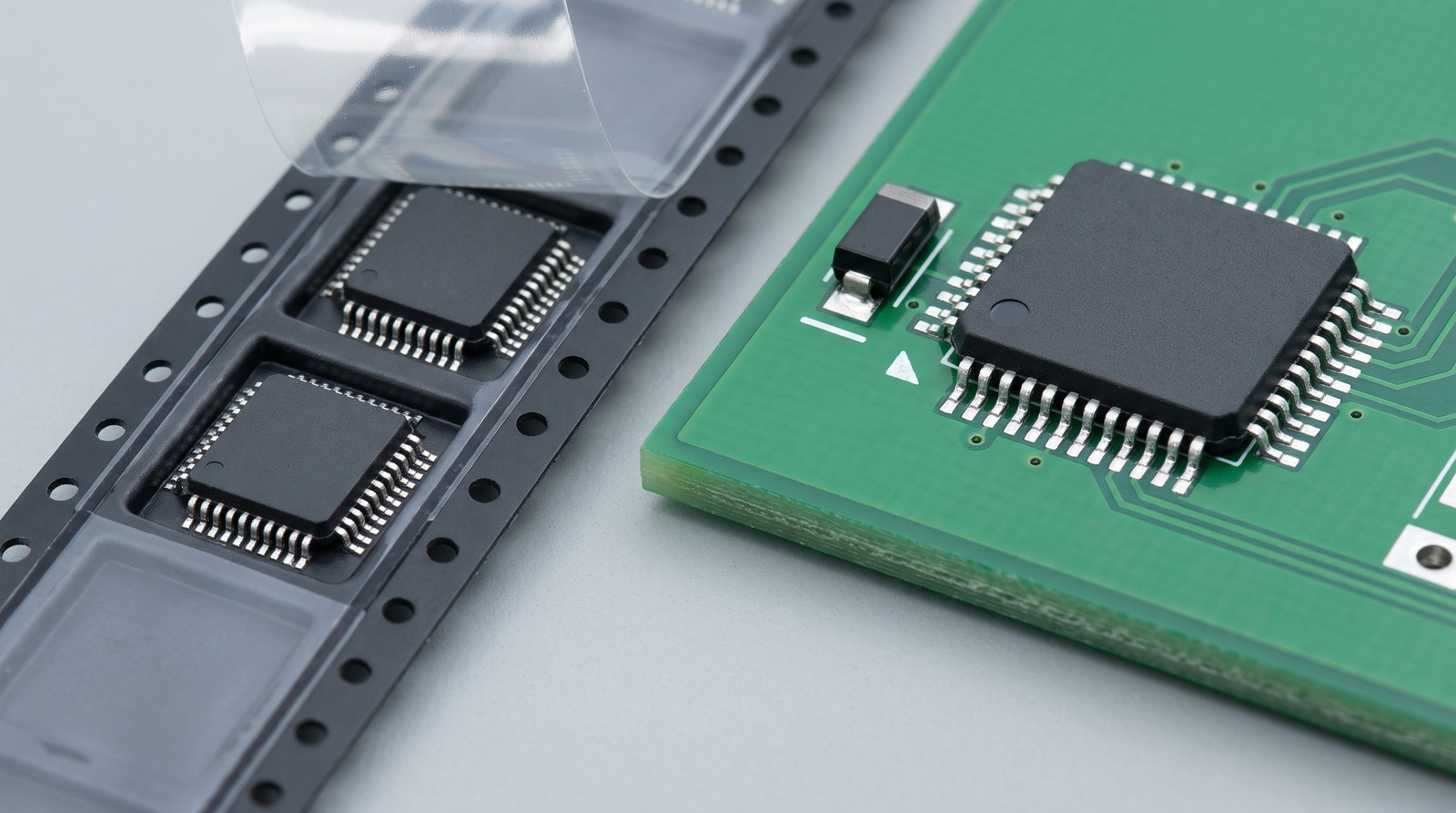
Part Identity & Placement Alignment
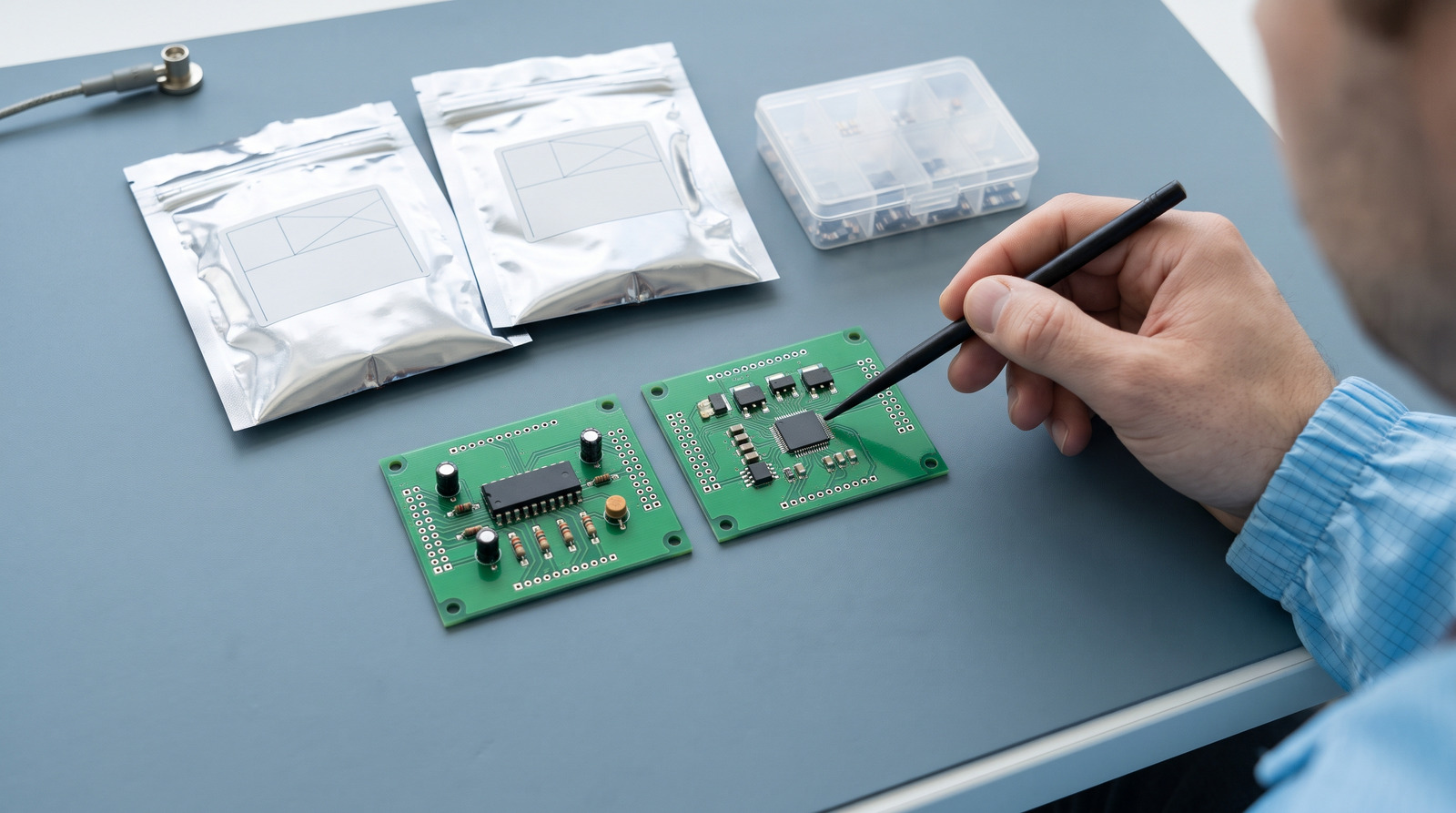
A BOM identifies the components to purchase and links each line to reference designators and per-board quantity; the placement file (CPL) defines board coordinates and orientation. Full manufacturer part numbers—not generic family names or short descriptions—prevent order mismatches because ordering suffixes can change more than packaging. Keeping manufacturer codes, distributor codes and internal numbers distinct surfaces ambiguities before purchasing.
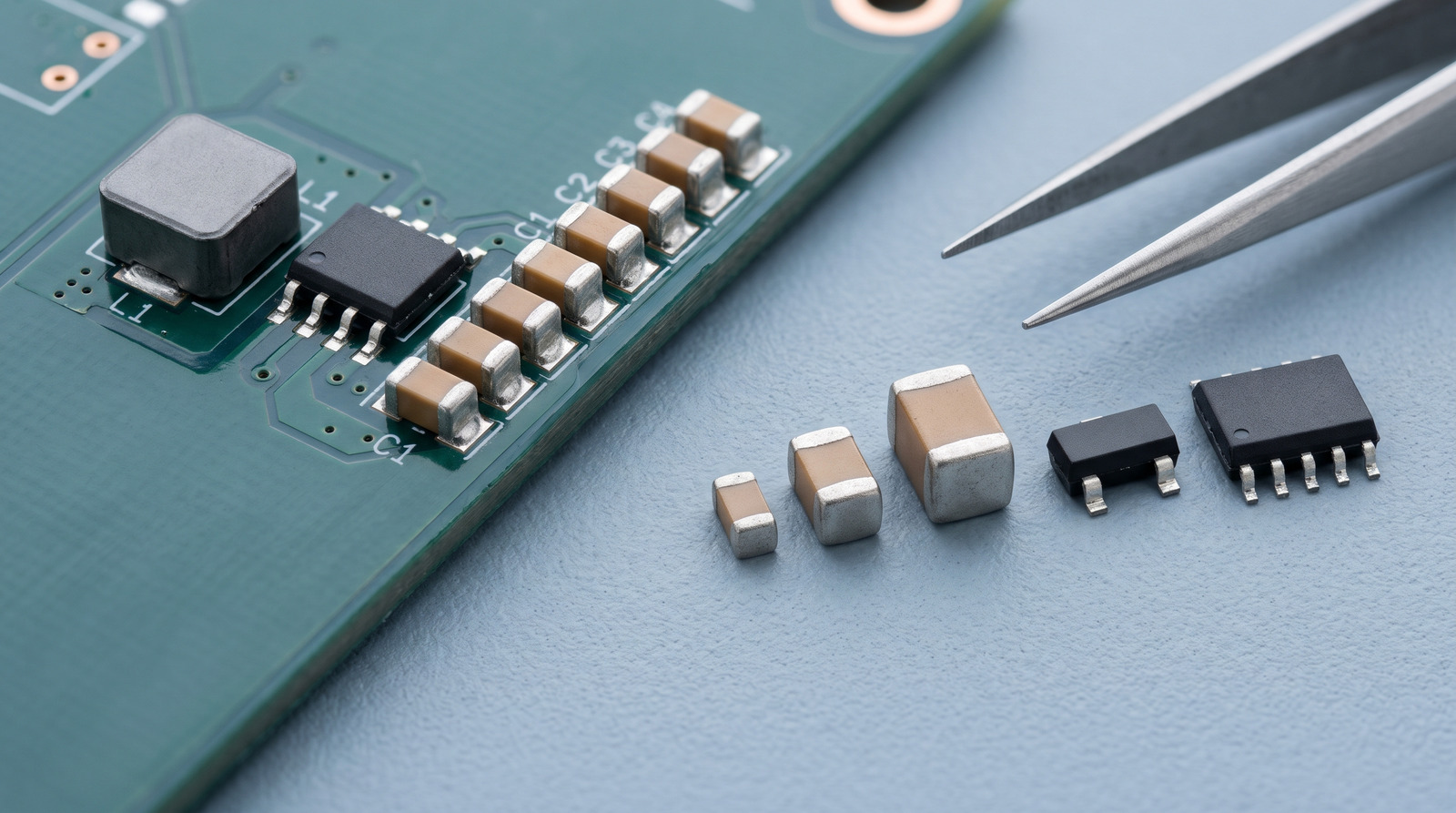
Functional Alternate Review & Approval
Evaluating whether a candidate fits the circuit and authorizing its purchase are separate decisions. Matching nominal value and package size does not confirm operating behavior—for example, high-dielectric ceramic capacitors can show lower effective capacitance under applied DC voltage. Cross-references begin a review of electrical, mechanical and assembly differences; the design owner confirms technical suitability and approves any purchase change.
Availability, Lifecycle & Change Triggers
Distributor stock, estimated incoming supply and manufacturer lifecycle status answer different questions. Listed stock is a point-in-time snapshot, whereas lifecycle labels—such as preview, active, not recommended for new designs (NRND), last-time-buy or obsolete—reflect overall supply outlook. Product-change notices (PCNs) and discontinuance notices flag distinct review events, helping distinguish immediate delivery timing from longer-term design decisions.
Packaging, Quantities & Kitting Fit
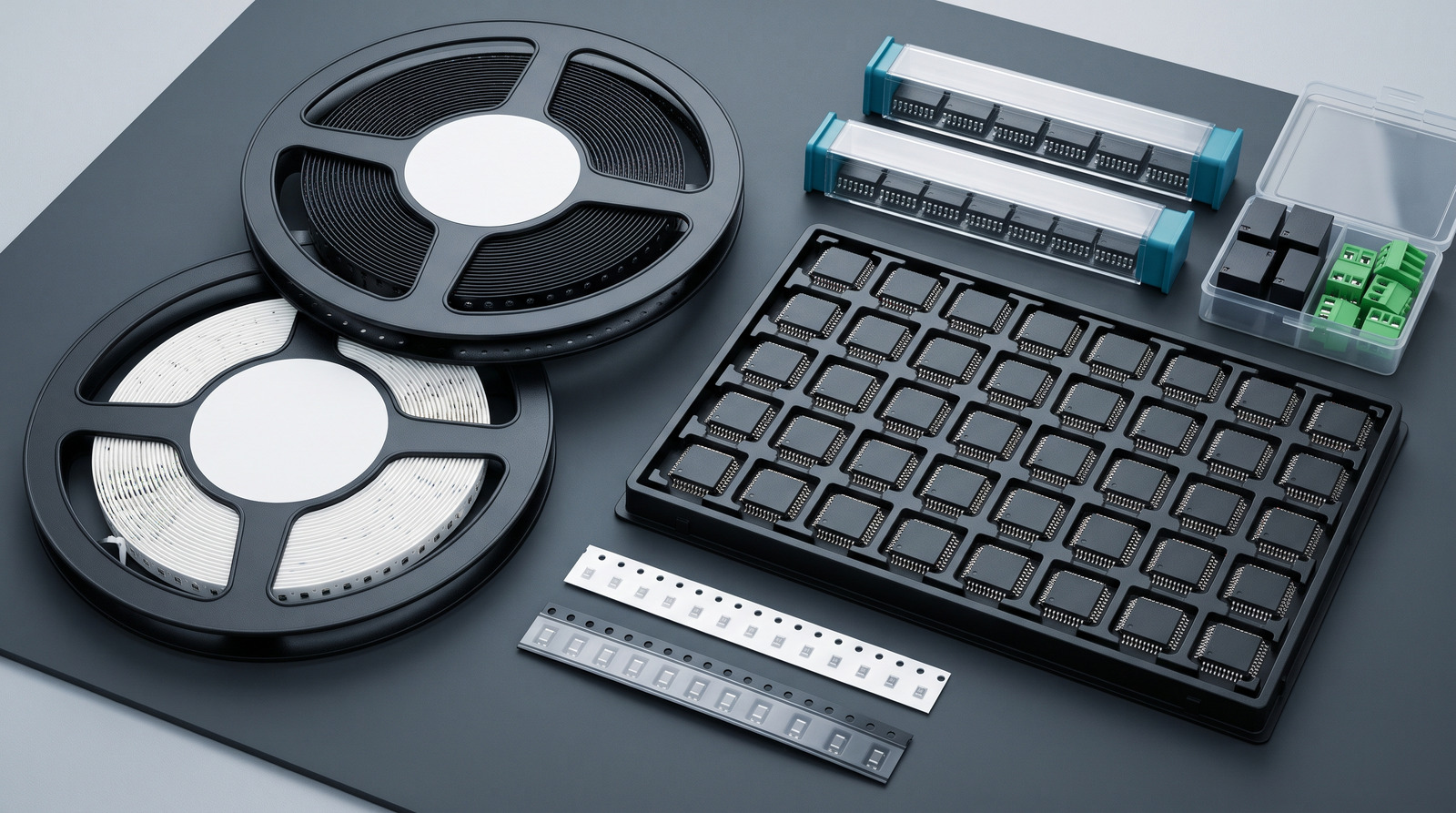
Components placed on the board rarely match the exact quantity purchased. Material planning separates four quantities: build placement count, supplier packaging or purchase increments, build-specific setup and handling allowances, and unused stock. Extra-part allowances depend on package type and component value rather than a universal percentage, and tape, reel, tray or tube presentation must fit SMT, through-hole or mixed assembly preparation.
Parts Planning for Your Product Electronics.
Component specifications shape both circuit behavior and assembly readiness. These board families show how alternate review, exact ordering codes and packaging choices connect with your assembly order.
Power & Lighting Boards
Emitters · Regulators · Passives
Power & Lighting Boards
Driver and LED boards use specified emitters, regulators and passives. High-dielectric ceramic capacitors can shift capacitance under DC bias, so alternates need review beyond nominal value and package.

Sensor & Control Boards
Suffixes · Pinouts · Options
Sensor & Control Boards
PIR modules, switches and control boards rely on exact ordering suffixes, pinouts and options. Alternates need design-owner approval before purchase; sensor calibration remains a separate responsibility.

Mixed-Assembly Boards
Reels · Trays · Tubes
Mixed-Assembly Boards
Boards combining surface-mount circuitry with through-hole connectors or relays mix reels, trays and tubes. Aligning packaging, purchase quantities and handling allowances keeps kitting ready for assembly.
From Current BOM to Ready Materials.
Component sourcing becomes part of the assembly plan through clear decisions between your team and ours. Resolve open part questions before purchasing, then carry the agreed kit through production.
Share the Current BOM
Send the parts list, board revision, intended quantity and schedule available now. Flag critical parts, held stock and any sourcing constraints affecting the build.
Resolve Supply Choices
Review ambiguous part numbers, stock timing, lifecycle notices and candidate alternates together. Your team evaluates technical suitability and authorizes any approved changes before purchase.
Agree the Material Plan
Confirm line-by-line supply responsibilities, purchase quantities, build allowances, documentation expectations and unused-material terms alongside the assembly quotation.
Receive, Kit & Assemble
Check incoming part identity, quantity, markings and packaging condition against the manufacturing order, prepare the kit for assembly and carry the agreed build through production and board checks.
Common Questions.
Answers to common decisions about assembly-linked sourcing, quote stock status, BOM omission marks and unused materials.
Do you sell electronic components without PCB assembly?
Our component sourcing and BOM support are provided alongside PCB assembly orders rather than as standalone component distribution or shortage brokerage. Purchasing, receiving checks and kitting are coordinated for the boards being built. If your team already holds selected components for a project, we can discuss combining those lines with the remaining parts sourced for the same assembly order.
Does a BOM quotation reserve distributor stock?
No. A quotation reflects listed availability at the time it is reviewed, and estimated incoming supply is separate from stock already on hand. Because component availability can change before an order is released, stock status and timing are confirmed against the approved BOM when purchasing begins.
What is the difference between DNP and a no-substitution instruction?
DNP (Do Not Populate) instructs assembly to leave a component position unpopulated on the board. A no-substitution instruction means the position is populated, but only with the exact specified manufacturer part number. Keeping omission marks, approved alternates and fixed-part rules in separate BOM fields prevents purchasing unnecessary stock or buying an unauthorized substitute.
What happens to unused or surplus components after a build?
Ownership, return, holding or disposal of unused materials depends on the terms agreed for that order. Packaging-driven purchase increments do not mean every extra part is consumed during assembly, and anticipated future builds are a planning input rather than an automatic instruction to buy or store stock. Clarify surplus handling when agreeing the material plan.
Manufacturing Experience. Direct Cooperation.
Our factory’s experience includes long-term supplier relationships with Fortune Global 500 customers and demanding supplier audits. We bring that manufacturing background to sample builds, small batches and repeat orders, with quality expectations established around the electronics your product needs.
Long-term supplier to Fortune Global 500 customers.
Sustained enterprise supply is part of our manufacturing experience. We apply that experience to the coordination of your assembly order, with material responsibilities and build requirements agreed for the project.
Passed demanding supplier audits and customer reviews.
Our factory has passed demanding supplier audits. That experience supports direct discussion of the quality expectations, documentation and acceptance requirements relevant to your assembly.
First-article, AOI, and board checks.
First-article review, AOI and agreed electrical or functional checks examine different aspects of the assembled board. They follow incoming material preparation and work alongside the sourcing documentation agreed for the build.
Long-term relationships.
Global brands.




Start with
what you have.
Tell us about your BOM and PCB assembly project. A draft parts list, an unavailable part number or held stock is enough to begin; share your available files, intended quantity and the supply question you want to resolve.
Preparing a new build?
Review part numbers, availability and supply responsibilities early, while the board and BOM are still taking shape.
Reordering or replacing parts?
Share the established BOM, held parts and lifecycle or shortage concerns so we can review what the next build needs.
 German
 English
 Arabic
 French
 Spanish
 Portuguese (Portugal)
 Korean
 Indonesian
 Chinese
 Russian
 Italian
 Dutch
 Polish
 Hindi
 Thai
 Portuguese (Brazil)