

Blog
Read our blogs and insights on PCB and PCBA industry.
Blog
-
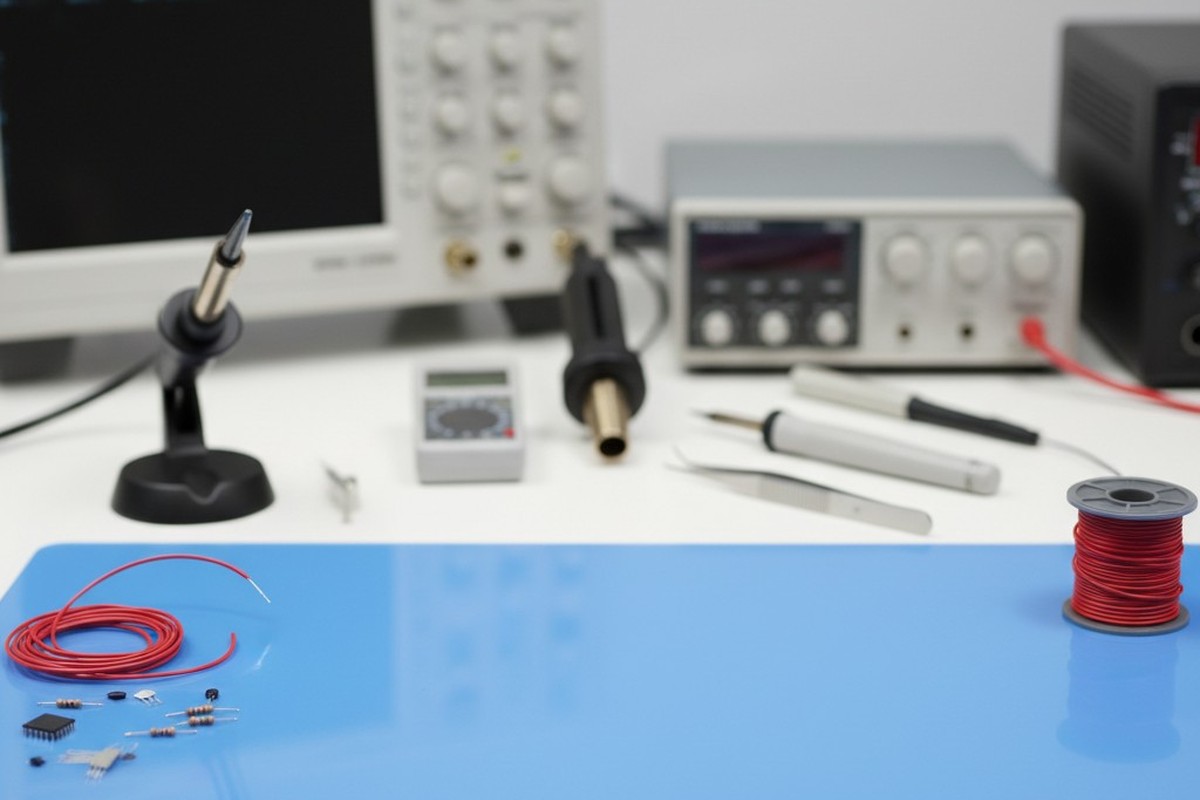
The Invisible Oxide: Why Gold and Tin Are a Volatile Mix
Mating Gold headers with Tin sockets creates a galvanic mismatch that leads to intermittent signal loss and costly downtime. While software patches and lubricants offer temporary relief, the only true solution for long-term reliability is matching contact materials.
-
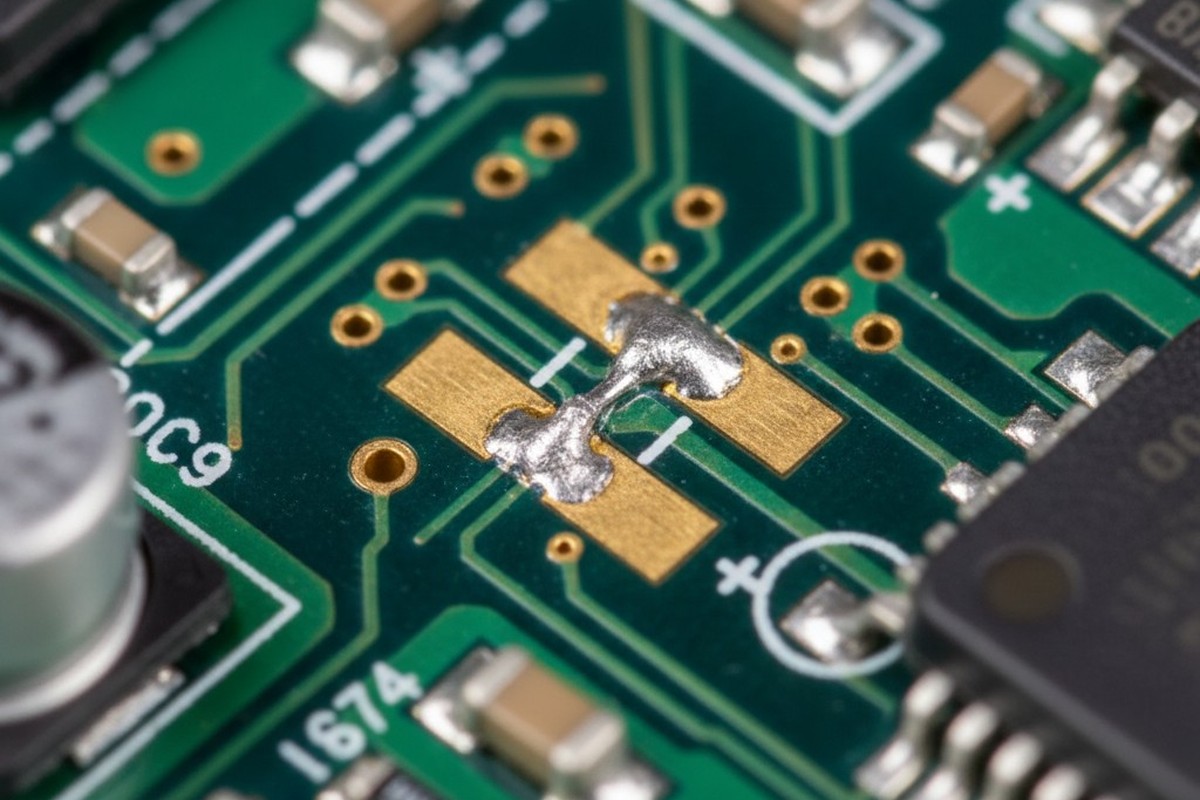
Solder Mask Dams Are the Only Thing Stopping Fine-Pitch Bridging
Physics dictates that without a physical barrier, liquid solder will merge. Learn why the solder mask dam is critical for fine-pitch components and why relying on gang relief is a costly mistake for reliability.
-

The Press-Fit Deception: Why Your Backplanes Are Failing and How to Fix Them
Backplane failures often originate from what seems like a reliable press-fit connector. The real issue, however, is a fundamental misunderstanding of the system, specifically the improperly formed plated-through hole in the circuit board. Achieving true reliability means moving from cosmetic acceptance to engineering certainty by controlling the entire press-fit assembly.
-
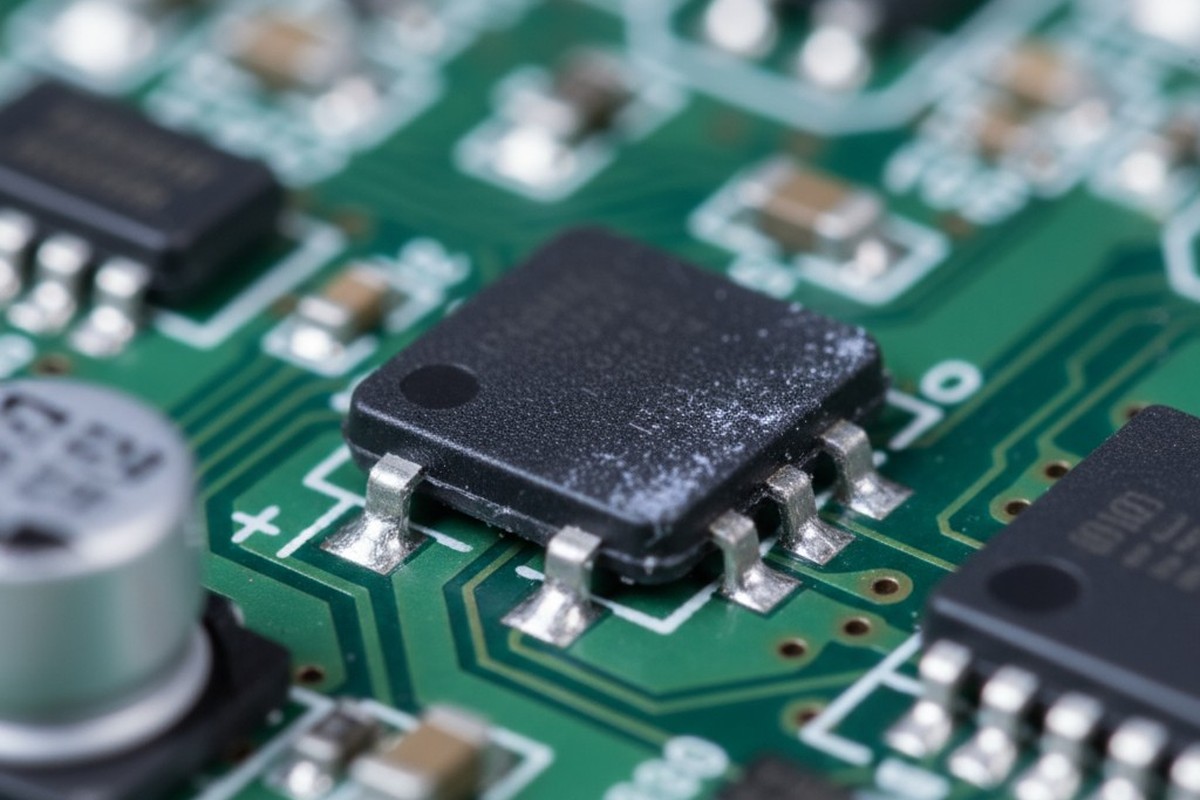
The Silent Killer of Conformal Coats: How to Defeat White Residue on Your PCBA
That chalky white residue on your PCBA is more than a cosmetic issue—it’s a critical failure preventing conformal coating adhesion and leading to field failures. Learn why it happens and how disciplined process control in your aqueous cleaning process is the only way to defeat it for good.
-
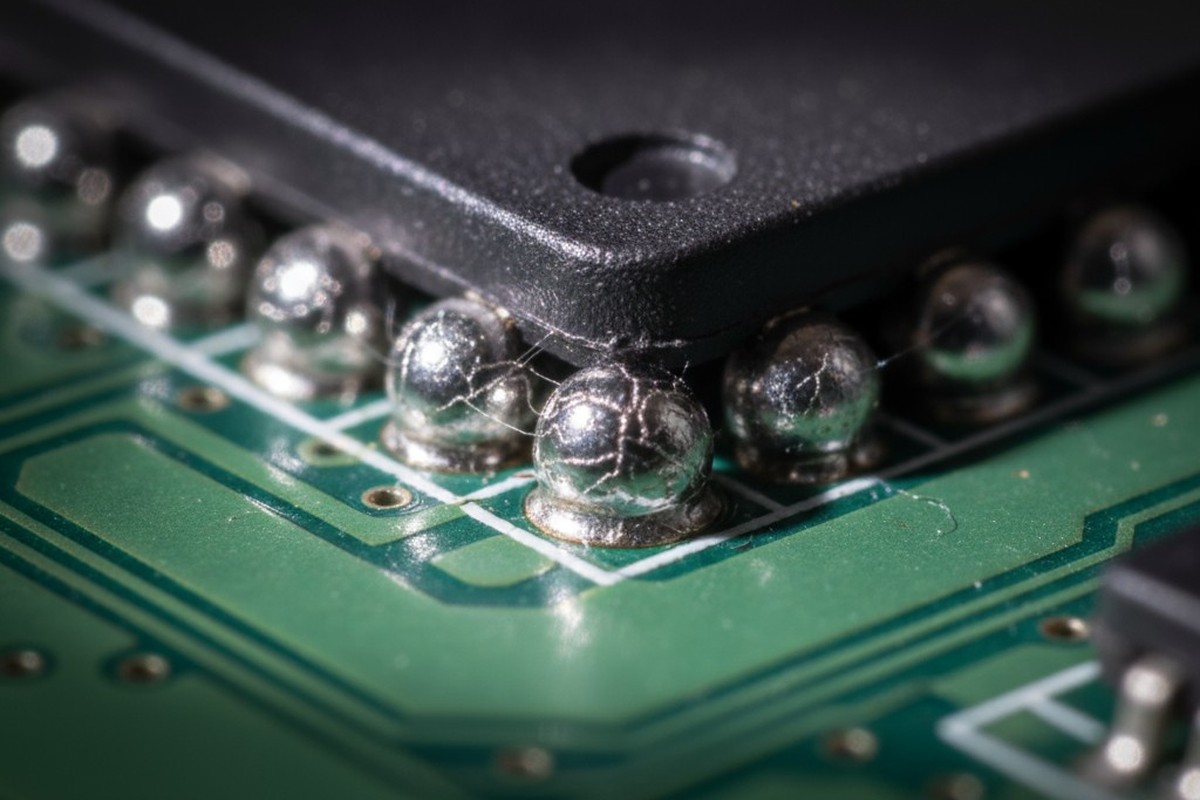
Underfill or Corner-Bond: Choosing the Lesser Evil for Vibration Reliability
Choosing between underfill and corner-bond is a critical decision for PCBA vibration reliability. We explore the trade-offs between rigid, permanent underfill and flexible, reworkable corner-bond to help you select the lesser evil for your application.
-

The Obsolescence Trap: Bridging the Leaded-to-Lead-Free Divide with BGA Reballing
When a critical leaded BGA is the only part available for your lead-free assembly, mixing alloys is a recipe for failure. The only reliable engineering solution is controlled component reballing, a process that converts obsolete parts into modern, reliable assets.
 English
  German
  Arabic
  French
  Spanish
  Portuguese (Portugal)
  Korean
  Indonesian
  Chinese
  Russian
  Italian
  Dutch
Dutch  Polish
  Hindi
Hindi  Thai
Thai  Portuguese (Brazil)