

Blog
Read our blogs and insights on PCB and PCBA industry.
Blog
-
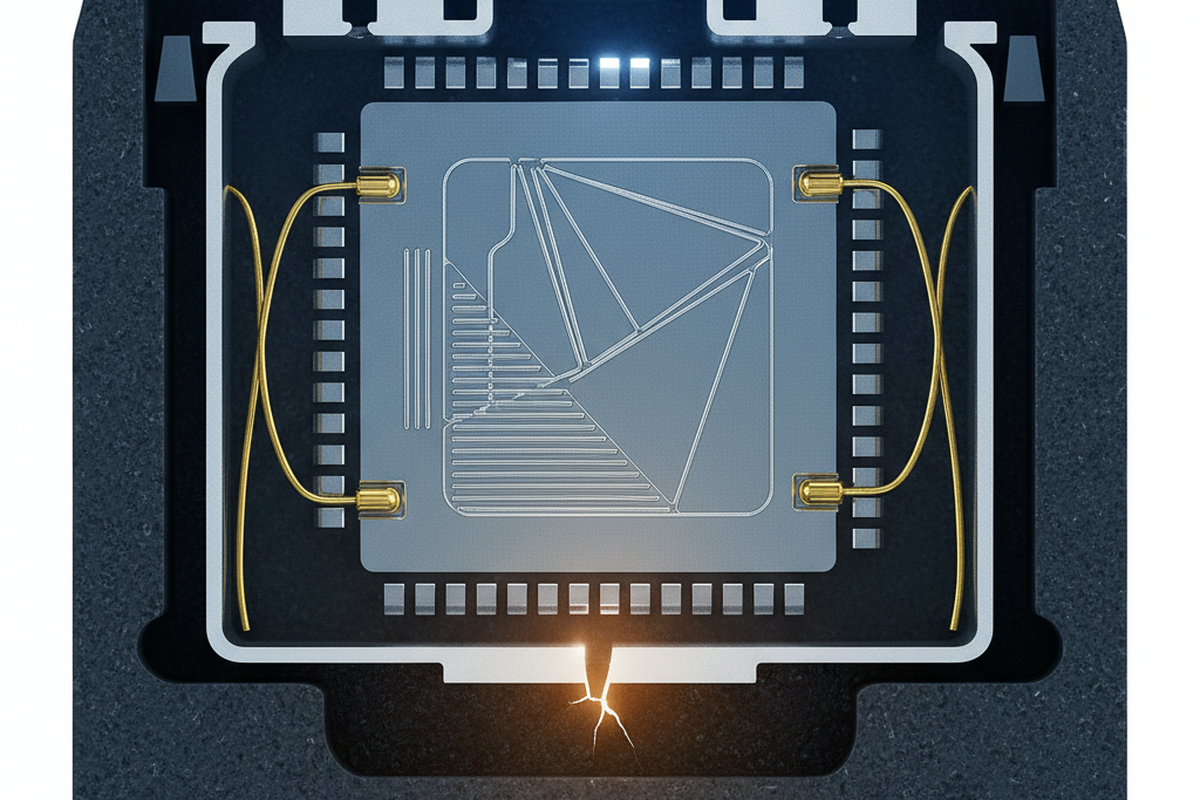
The Silent Killer: Why MEMS Pass Reflow but Fail the Field
MEMS sensors may pass factory ICT tests but drift weeks later due to hidden moisture delamination. This piece explains the failure mechanism inside MEMS packages, why bake cycles fail, and the strict pre-oven discipline needed to prevent costly field recalls.
-
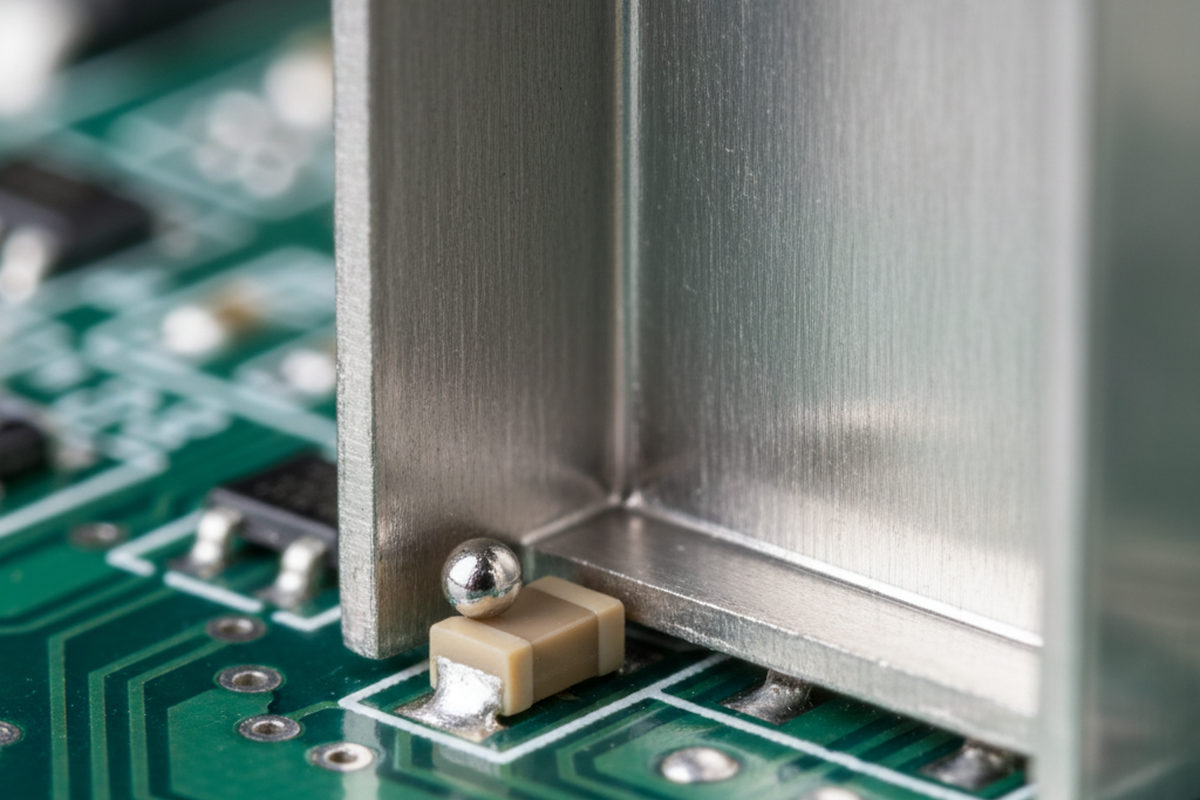
The Hidden Rattle: Solving Under-Can Solder Beading in RF Modules
Solder beads under RF shield walls can quietly derail a module after field cycles. This article shows how aperture design, reduced paste, and mindful layout stop bead formation, preventing leaks, shorts, and reliability failures from vibration and thermal cycling.
-
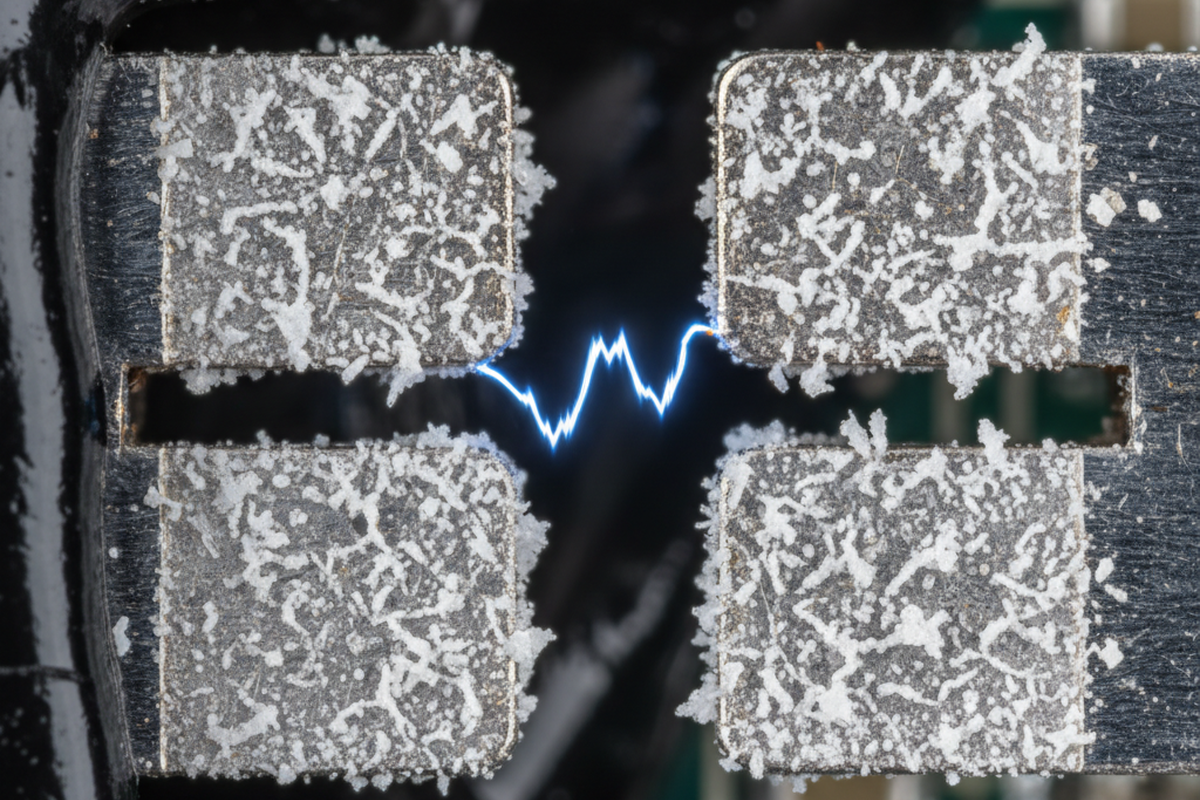
The Glass Engine: Why Silicone Kills Sealed Electronics
sealed electronics fail from silicone outgassing inside the enclosure, laying a nanoscopic glass layer on contacts and killing relay function. the article explains why electronic grade silicone is not a cure and points to urethane or epoxy alternatives and strict outgassing tests like astm e595 as the right spec.
-

The $40,000 Paperweight: Why “Perfect” Test Coverage Kills Low-Volume Hardware
Low-volume hardware production demands flexible, cost-efficient test strategies over “perfect” coverage. Instead of pricey fixed fixtures, using firmware-based functional tests and simple human-centric setups ensures reliable manufacturing without bankrupting your run.
-
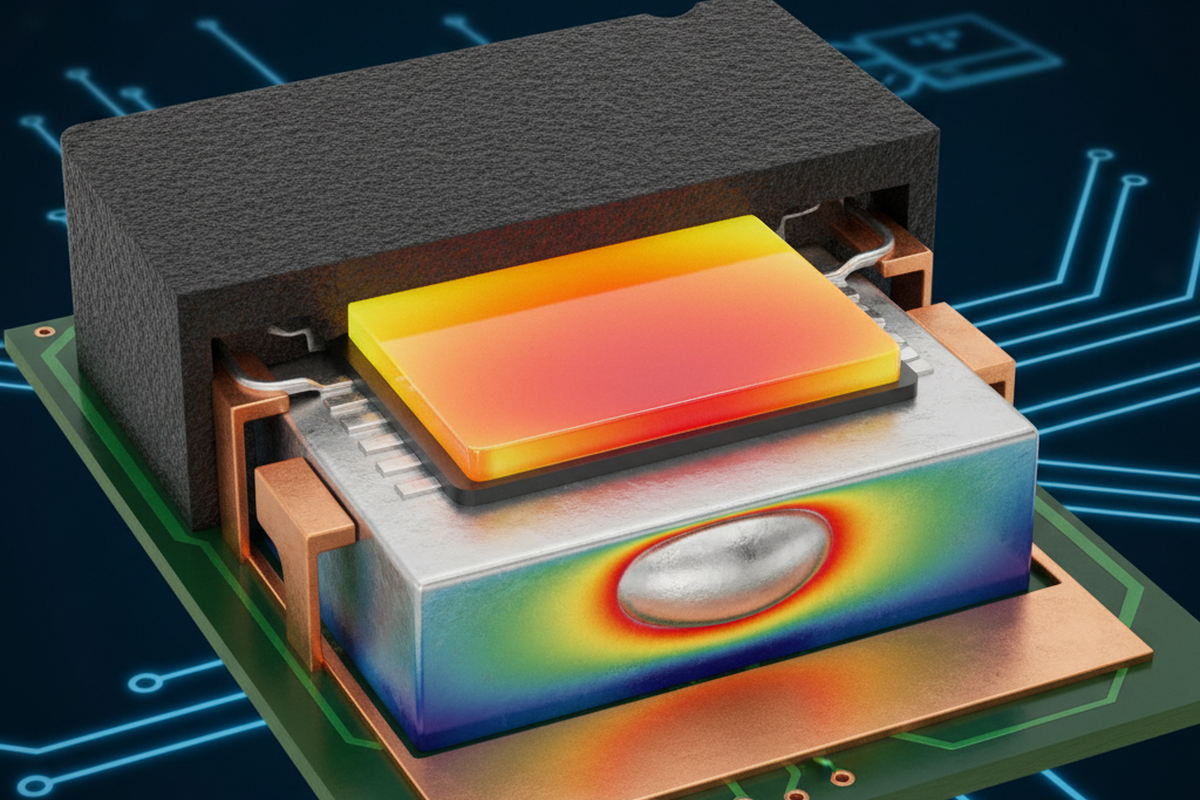
The Thermal Reality of Voiding: Why IPC Pass/Fail Isn’t Enough for Power
IPC pass fail masks real risk when voids sit under the die. Bester argues that thermal path integrity and 3D inspection beat total void percentages, guiding smarter grading to prevent failures and recalls in high power electronics.
-
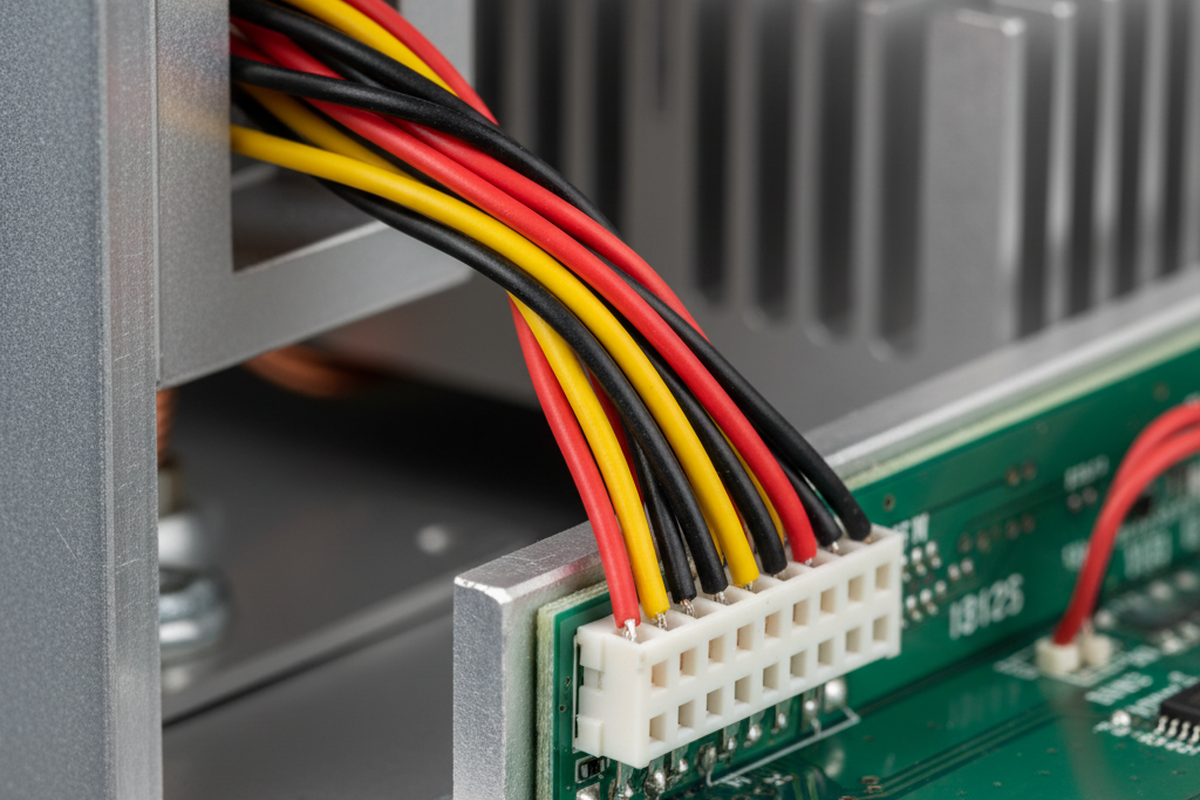
The Box Build Reality Check: When CAD Lies and Cables Fail
On the factory floor, cables designed in CAD can snap under real world stress. This reality check explains why deterministic routing, service loops, and solid strain relief prevent field failures in box builds.
 English
  German
  Arabic
  French
  Spanish
  Portuguese (Portugal)
  Korean
  Indonesian
  Chinese
  Russian
  Italian
  Dutch
Dutch  Polish
  Hindi
Hindi  Thai
Thai  Portuguese (Brazil)